Why Car Noises Deserve Attention
A new sound from your vehicle is rarely random. Every squeak, knock, or groan is a symptom - the result of friction, pressure, or wear in a specific system. Learning to categorize what you hear, and when you hear it, can help you describe the problem accurately to a mechanic and avoid paying for guesswork repairs.
This reference guide maps the most common automotive noises to their likely sources. It is not a substitute for a qualified mechanic's diagnosis - some overlapping symptoms can indicate different problems - but it gives you a reliable starting point. If any noise appears suddenly, worsens quickly, or is accompanied by warning lights, treat it as urgent.
| Brake squeal cause | Wear indicator contacting rotor - pads near end of life |
| Grinding brakes | Pad material fully worn; metal-on-metal contact with rotor |
| CV joint failure sound | Rhythmic clicking during turns, increases with steering angle |
| Engine knock risk | Can indicate oil pressure loss - stop and investigate promptly |
| Ball joint wear sign | Clunking over bumps; advanced failure can affect steering control |
| Startup tick duration | Normal if it fades within 1-2 minutes; persistent ticking needs attention |
Brake Noises: From Squeal to Grind
Braking noises are among the most important to act on, because the consequences of brake failure are severe.
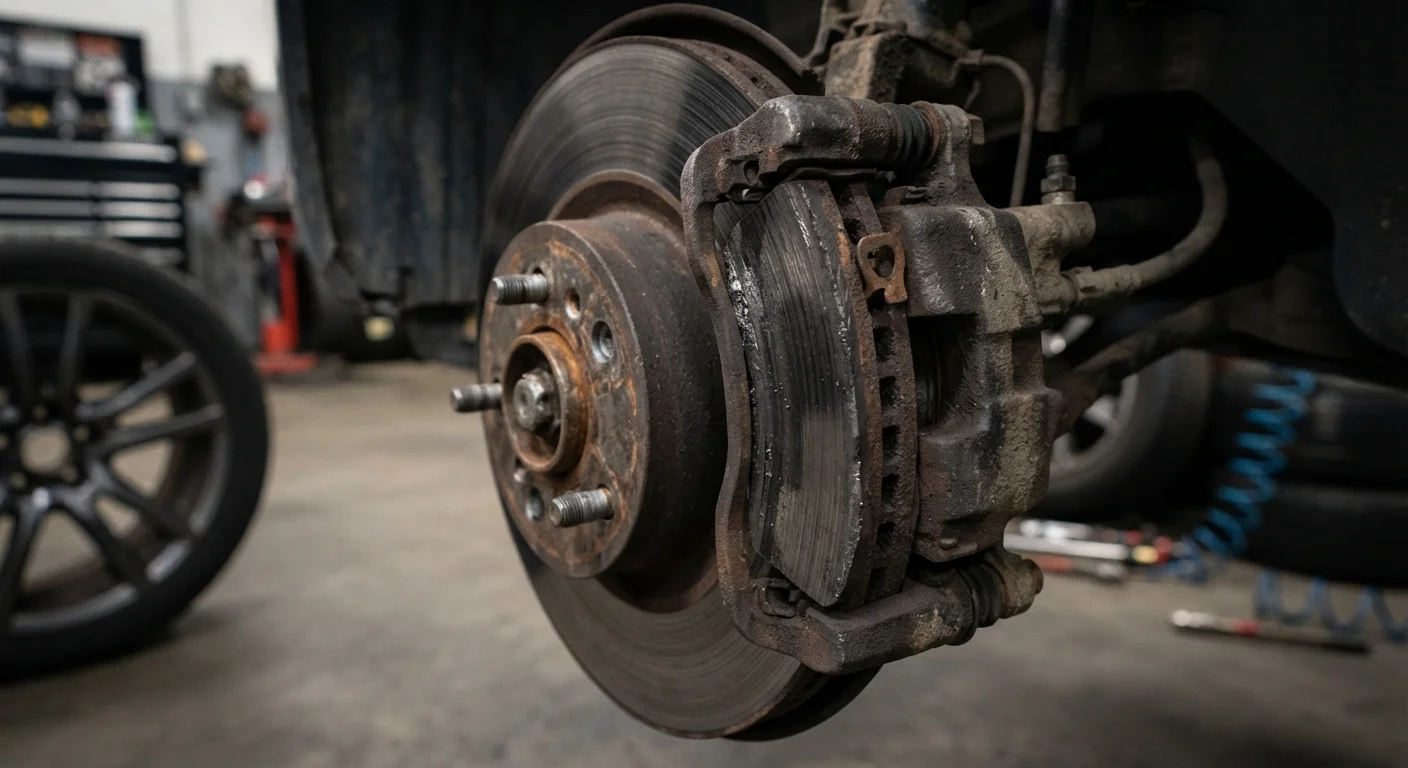
- High-pitched squeal when braking: Most brake pads include a small metal wear indicator designed to produce this sound when pads approach the end of their service life. It is a deliberate warning - not something to ignore.
- Metal-on-metal grinding: This typically means the pad material has worn through entirely, and the steel backing plate is contacting the rotor. Rotors can be damaged rapidly at this stage, turning a pad replacement into a significantly more expensive repair.
- Scraping on one side only: Uneven wear, a stuck caliper, or road debris caught between the pad and rotor are common causes. See our guide to uneven brake pad wear for a deeper look at what drives one-sided deterioration.
CV joint
A constant velocity joint transfers power from the transmission to the wheels while allowing the axle to flex through steering angles. It is a key component in front-wheel-drive and all-wheel-drive vehicles.
Wear indicator
A small metal tab built into brake pads that makes contact with the rotor and produces a high-pitched squeal when pad thickness drops to a minimum safe level.
Hydraulic valve lifter
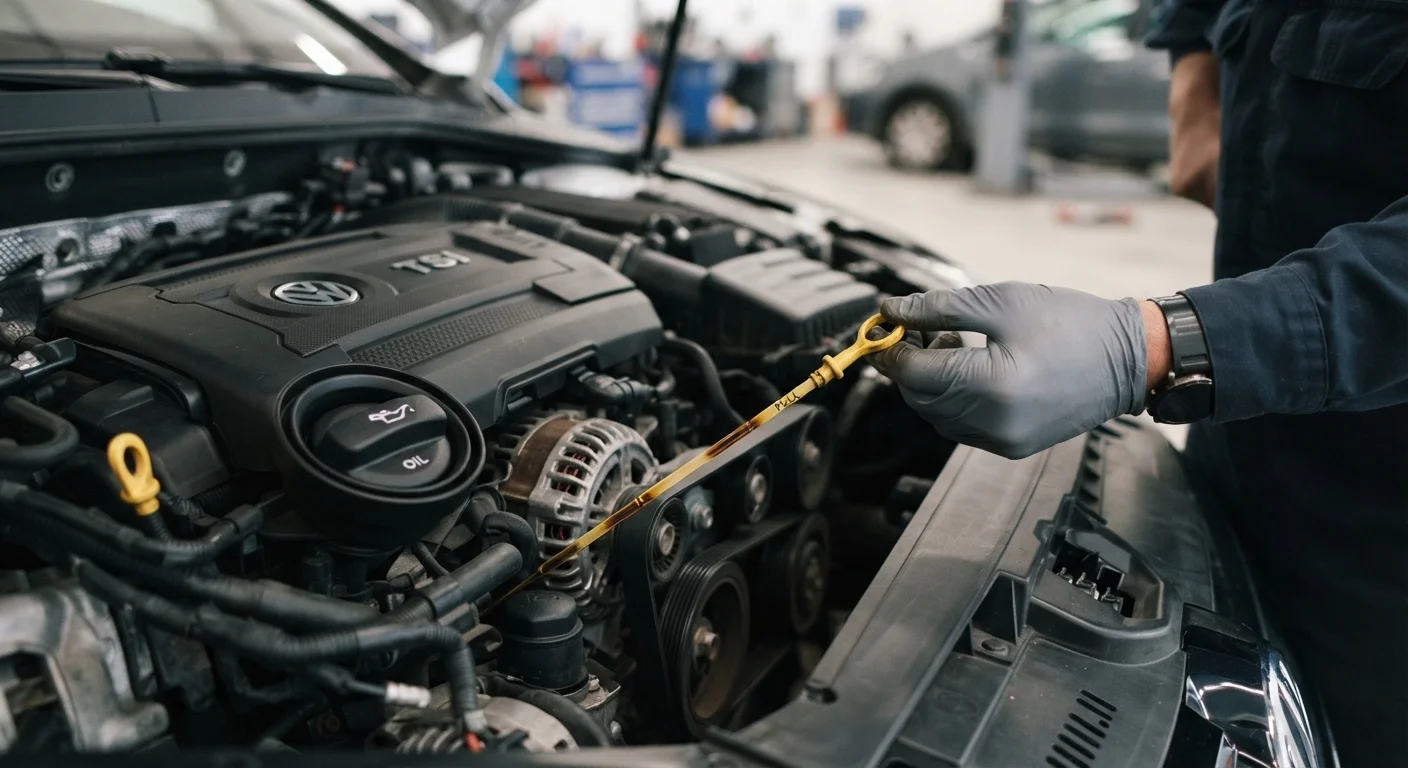
An engine component that uses oil pressure to maintain valve clearance automatically. It can produce a ticking sound at startup when oil has drained from it between drive cycles.
Sway bar end link
A short connecting rod that links the sway bar (anti-roll bar) to the suspension strut or control arm. Worn end links commonly produce clunking noises on uneven road surfaces.
Caliper
The hydraulic clamp that squeezes brake pads against the rotor to slow the vehicle. A stuck or seized caliper applies uneven pressure and can cause one-sided pad wear and pulling during braking.
Engine and Drivetrain Noises
The engine and its connected systems produce a wide range of sounds. Location and timing are critical clues.
- Knocking or pinging under load: Often linked to low-octane fuel in an engine that requires higher-octane, worn engine bearings, or carbon buildup. A persistent knock at idle may indicate oil pressure issues - a reason to stop driving and investigate immediately.
- Ticking at startup that fades: Hydraulic valve lifters can tick briefly before oil pressure builds, especially in cold weather. If ticking persists beyond a minute or two, it may signal low oil level or oil that needs changing. Review habits that quietly shorten engine life for preventive context.
- Clicking when turning: A rhythmic click that increases with steering angle is a common sign of a worn constant velocity (CV) joint on front-wheel-drive or all-wheel-drive vehicles.
- Whining that changes with speed: Transmission fluid issues, a worn differential, or wheel bearing failure can all produce speed-dependent whining.
Suspension and Steering Noises
Noises from below the cabin - especially over bumps or during steering input - often point to suspension wear.
- Clunking over bumps: Worn sway bar end links, strut mounts, or ball joints are frequent culprits. Ball joint failure, while gradual, can eventually lead to loss of steering control.
- Squeaking over small bumps: Dry or worn rubber bushings are a common source. These are relatively inexpensive but degrade with age and weather.
- Power steering groan when turning: Low power steering fluid or a failing power steering pump in hydraulic systems. Vehicles with electric power steering may show similar symptoms through a different mechanism.
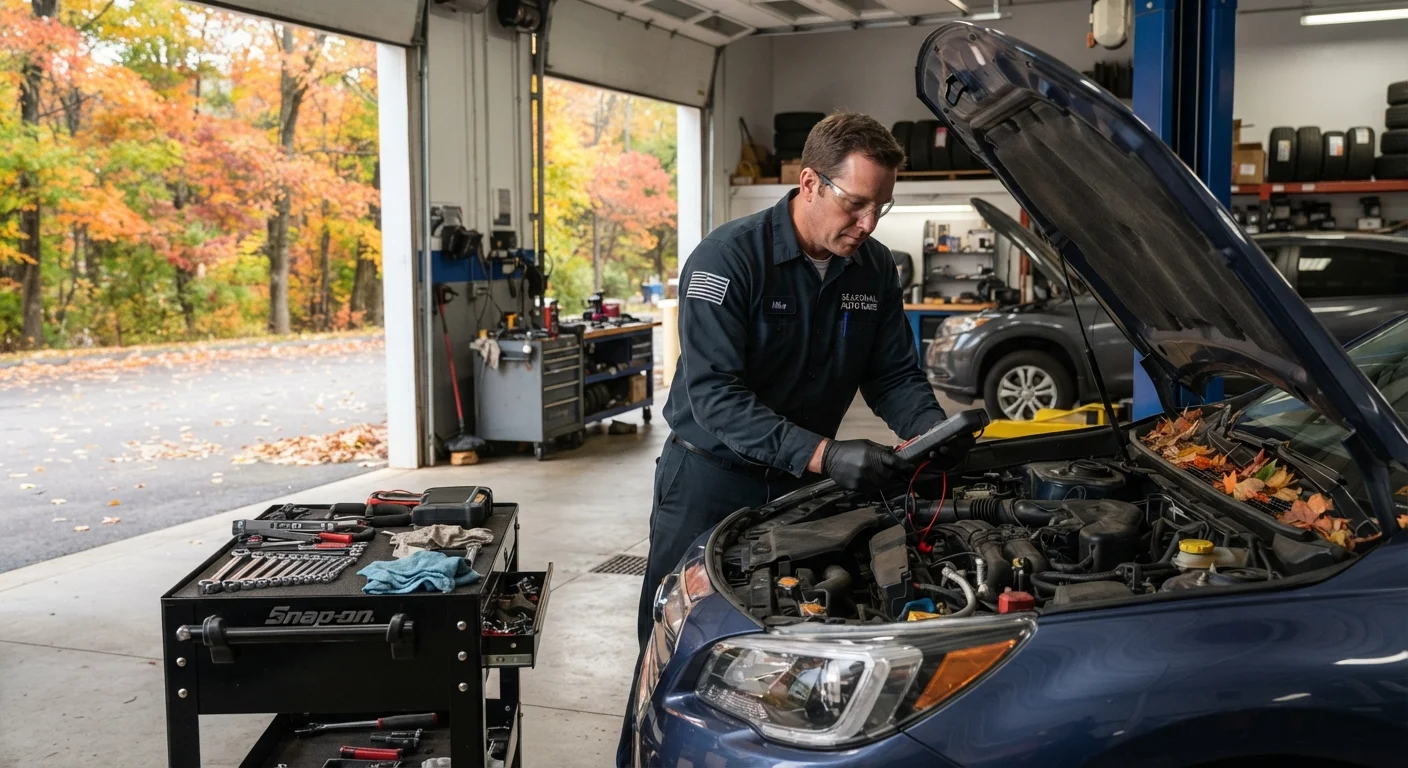
Catching suspension wear early is straightforward during routine seasonal checks. Our seasonal car maintenance guide covers when to inspect these components as part of a broader maintenance rhythm.
When to Drive On - and When to Stop
Not every noise requires an immediate tow, but some do. Use this framework:
- Stop driving immediately if you hear: a loud bang or sudden grinding from the engine, metal scraping from the wheels at speed, or any noise accompanied by a loss of power or steering response.
- Schedule an inspection within a few days for: persistent brake squealing, a new clunk over bumps, or a whine that is getting louder.
- Monitor and mention at your next service: occasional minor squeaks from cold brakes, brief startup ticks that disappear, or very low-frequency vibration hum that does not worsen.
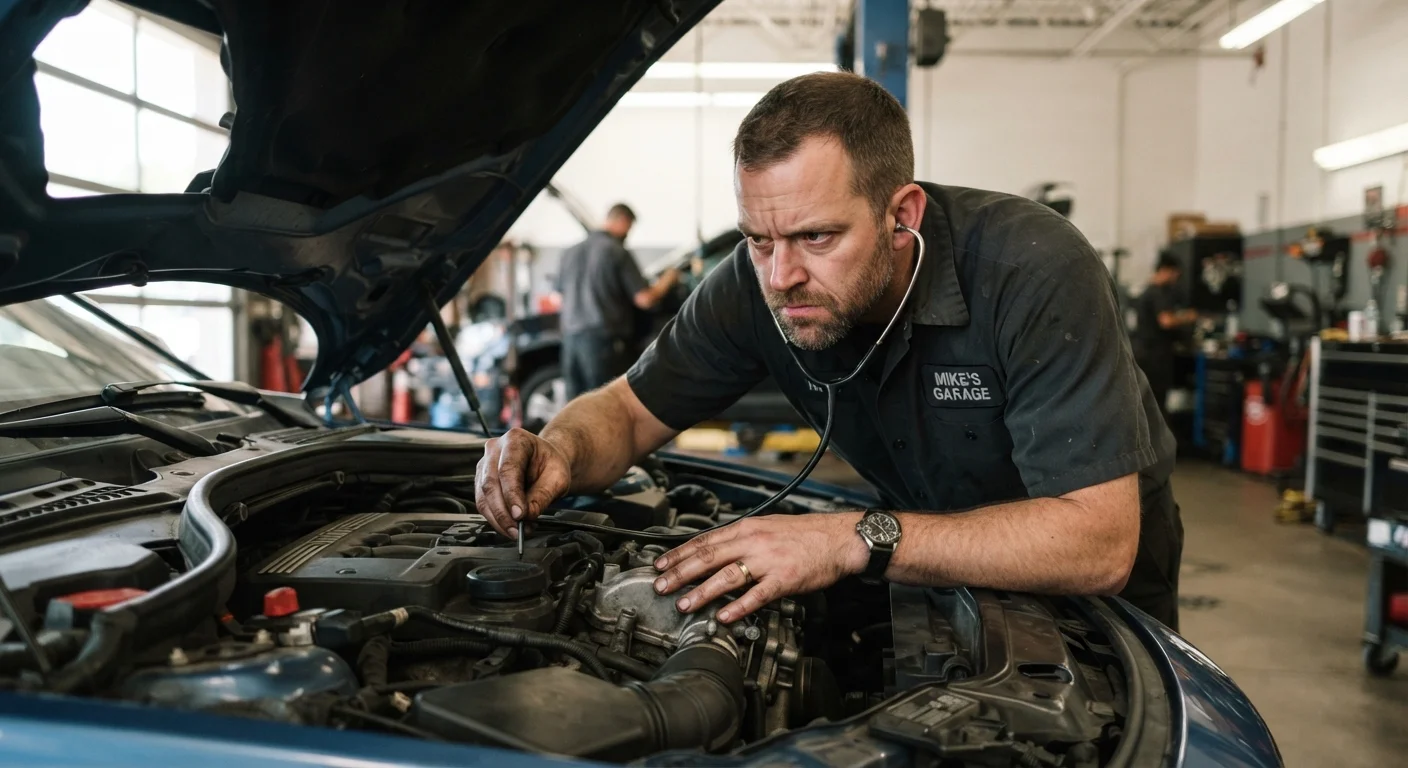
When you do visit a mechanic, describe the noise as specifically as you can: when it occurs (braking, turning, accelerating), whether it changes with speed, and how long it has been present. If you are buying a used vehicle and hear an unfamiliar noise during a test drive, treat it as a flag - our article on things first-time buyers often overlook covers why pre-purchase inspections matter.