Why Everyday Habits Matter More Than Major Service Events
Most drivers think of engine longevity in terms of big-ticket service milestones - timing belt replacements, coolant flushes, spark plug swaps. Those matter. But the habits repeated every single day often have a greater cumulative impact on how long an engine actually lasts.
Engines are precision systems. Internal clearances between moving parts are measured in thousandths of an inch, lubrication films are razor-thin, and operating temperatures are tightly managed. Small, repeated stresses - insufficient warm-up time, oil that's slightly overdue for a change, a slow coolant leak - compound quietly over thousands of miles. By the time the damage is obvious, it's usually expensive.
The good news: most engine-damaging habits are easy to correct once you know what they are. See our complete car maintenance schedule for a broader framework of the service milestones that protect your engine over time.
Revving the engine hard immediately after a cold start.
Why it happens: Many drivers assume a running engine is a ready engine. In reality, oil needs 30-60 seconds to fully circulate through all engine passages after startup.
Skipping or delaying scheduled oil changes.
Why it happens: Oil changes feel optional when the engine seems to be running fine, and the cost can feel inconvenient in the short term.
Ignoring minor fluid leaks until they become serious.
Why it happens: A small oil spot in the driveway is easy to dismiss as cosmetic. Most drivers don't associate a slow drip today with a seized engine months later.
Consistently running the fuel tank close to empty.
Why it happens: Drivers often push their luck between fill-ups, especially when fuel prices are high or a station isn't convenient.
Taking frequent very short trips without ever letting the engine fully warm up.
Why it happens: Daily errands - school runs, quick grocery trips - rarely require more than a few minutes of driving, and the engine never reaches full operating temperature.
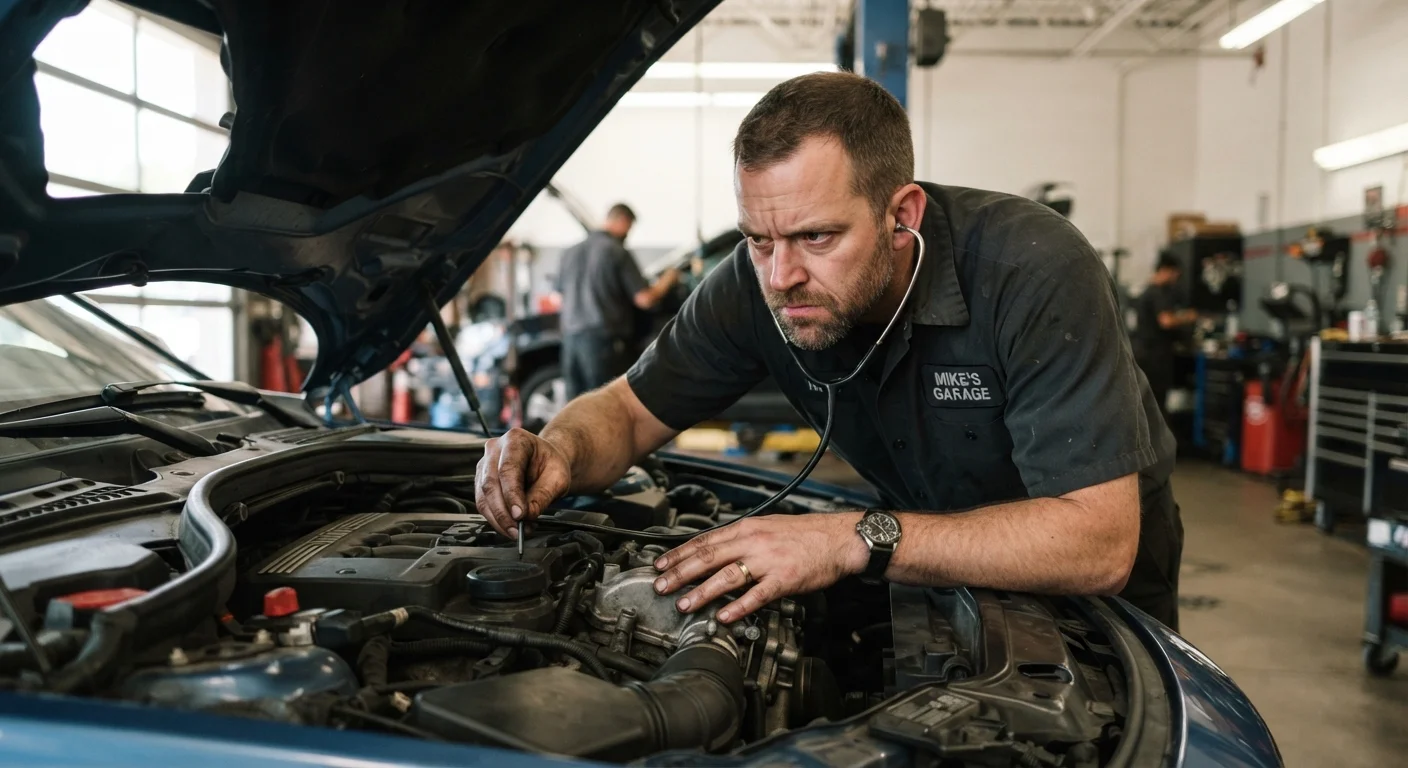
Overlooking unusual engine noises until they become undeniable.
Why it happens: Knocking, ticking, or rattling sounds can develop gradually, making them easy to normalize or attribute to road noise.
Building the Habits That Protect Your Engine Long-Term
Avoiding the mistakes above doesn't require mechanical expertise - it requires consistency and a little attention. New drivers especially benefit from building these routines early, before bad habits have a chance to take hold.
Low Oil Pressure Is an Emergency
If your oil pressure warning light illuminates while driving, pull over safely and shut the engine off as soon as it is safe to do so. Continuing to drive with low oil pressure can cause irreversible engine damage within minutes. Do not restart the vehicle until the cause has been diagnosed by a qualified mechanic.
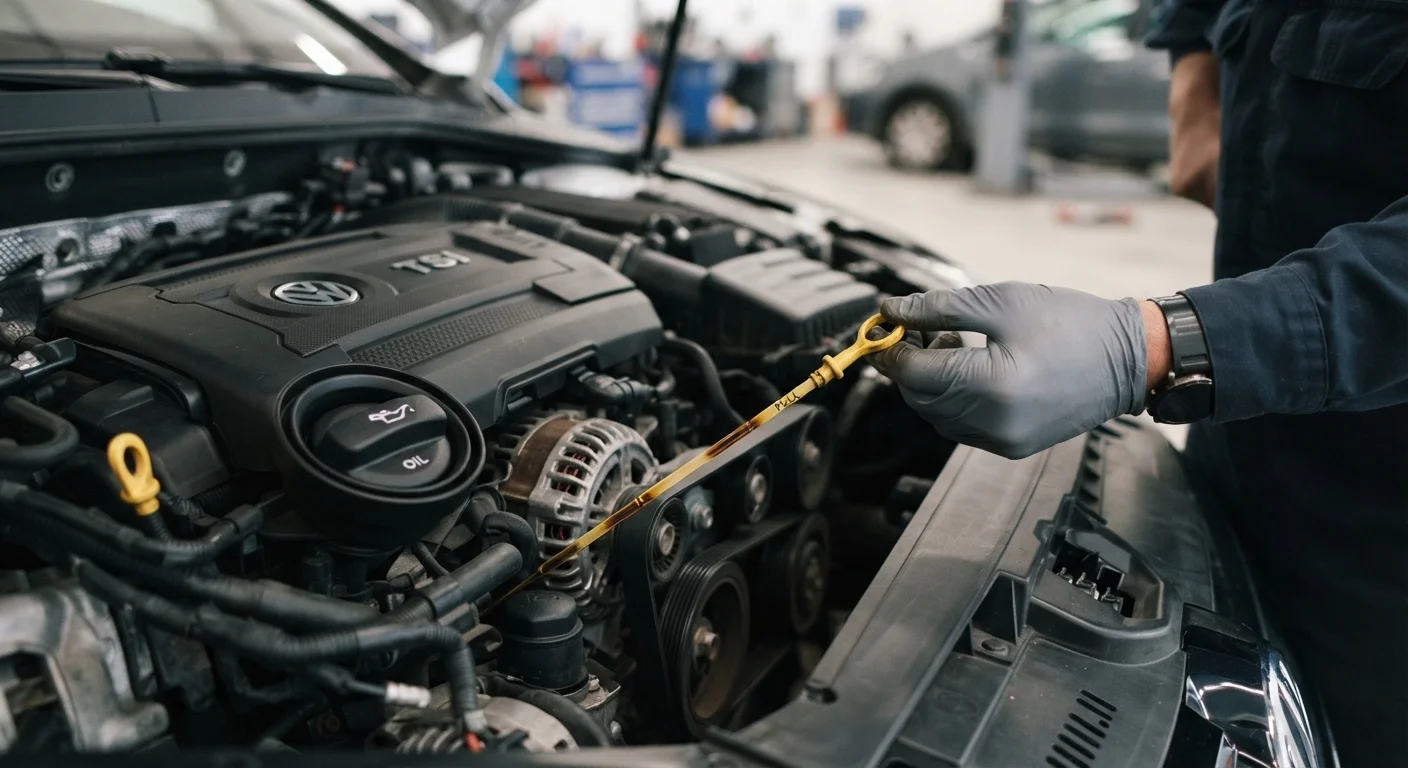
A practical starting point: spend 60 seconds once a month doing a basic walkaround. Look under the car for fluid spots, glance at the temperature gauge when you first start driving, and check the oil level with the dipstick. These simple checks take minimal time and can catch developing problems before they escalate. For guidance on which tasks you can handle yourself and which are better left to a professional, see DIY car maintenance tasks worth learning vs. jobs for a mechanic.
Never Ignore a Coolant Leak
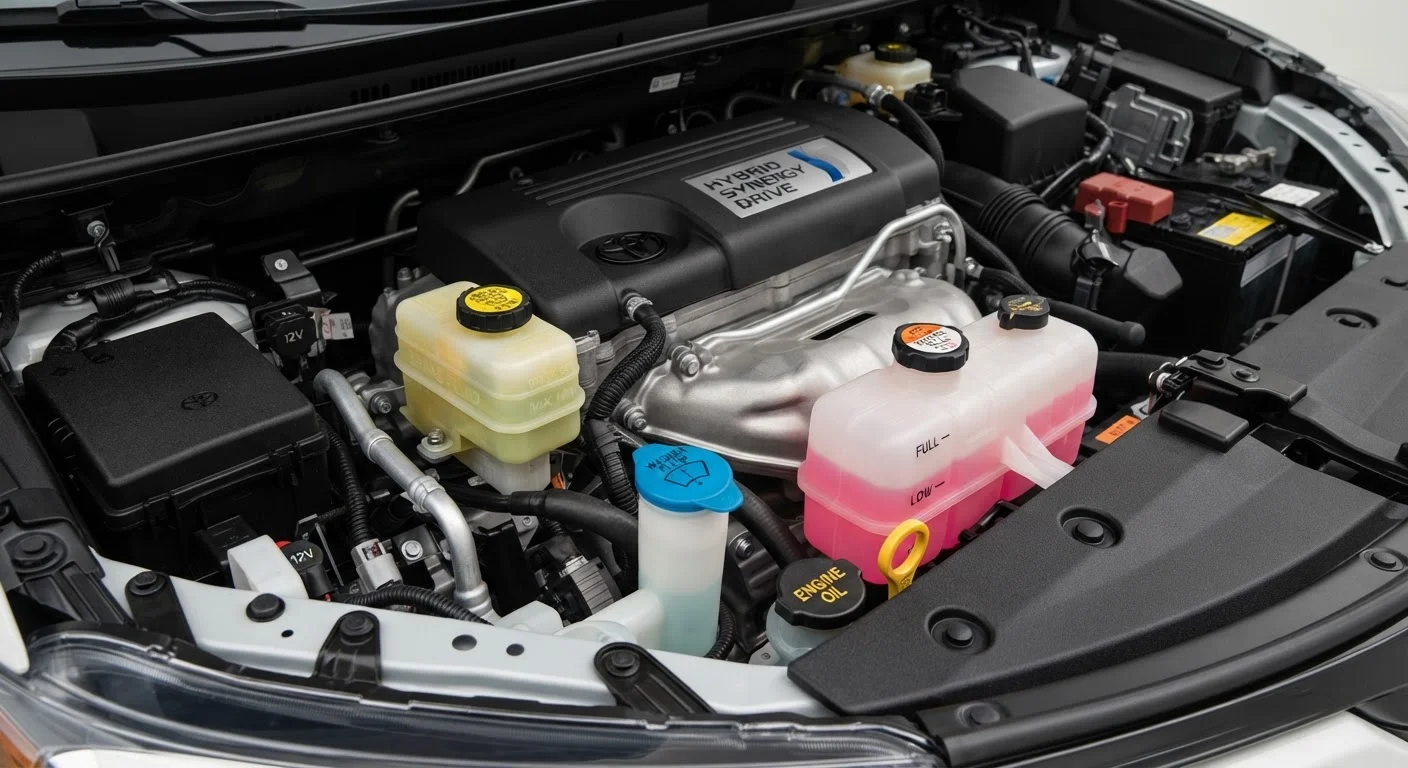
Even a slow coolant drip can allow your engine to overheat without warning, particularly on hot days or during highway driving. Overheating is one of the leading causes of catastrophic engine failure. If you notice a sweet smell, puddles of brightly colored fluid under your car, or a rising temperature gauge, have the cooling system inspected by a professional promptly.
Caring for your engine is also a financial decision. The cost of preventive habits - timely oil changes, prompt leak repairs, gentle warm-up routines - is a fraction of the cost of a premature engine rebuild or replacement. Just as small spending habits quietly erode a budget, small neglect habits quietly erode an engine. The parallel is worth keeping in mind every time you're tempted to defer a simple maintenance task.
~40%
Of engine wear occurs during cold starts
Engineering studies on lubrication have long indicated that a disproportionate share of total engine wear happens in the first moments after startup, before oil fully circulates.
5,000-10,000 mi
Typical oil change interval for modern vehicles
Many current owner's manuals recommend intervals in this range for synthetic oil under normal driving conditions, though severe-duty use warrants more frequent changes.