Why a Maintenance Schedule Matters
A car is one of the most mechanically complex assets most people own, and also one of the most neglected when it comes to proactive upkeep. Skipping or delaying routine service doesn't just risk a breakdown - it compounds wear across interconnected systems, turning a modest fluid change into a major component replacement down the road.
Following a consistent maintenance schedule is the closest thing to a guarantee that your vehicle stays reliable, safe, and holds its value as long as possible. Whether you handle some tasks yourself or rely entirely on a qualified mechanic, knowing what needs attention - and when - puts you firmly in control. For a deeper look at which tasks are genuinely DIY-friendly and which require professional hands, see our guide to DIY vs. mechanic jobs.
~$1,200
Average annual vehicle maintenance cost (US)
According to AAA research, the average American driver spends roughly $1,200 per year on vehicle maintenance and repairs.
35%
Of breakdowns linked to maintenance neglect
Industry data from roadside assistance providers suggests a significant proportion of non-accident breakdowns are attributable to deferred routine maintenance.
3-5 years
Typical automotive battery lifespan
Most automotive battery manufacturers rate their products for 3 to 5 years under normal operating conditions.
Weekly and Monthly Checks
The most impactful maintenance habits cost almost nothing but a few minutes of attention. These are checks any driver can perform without tools or specialist knowledge.
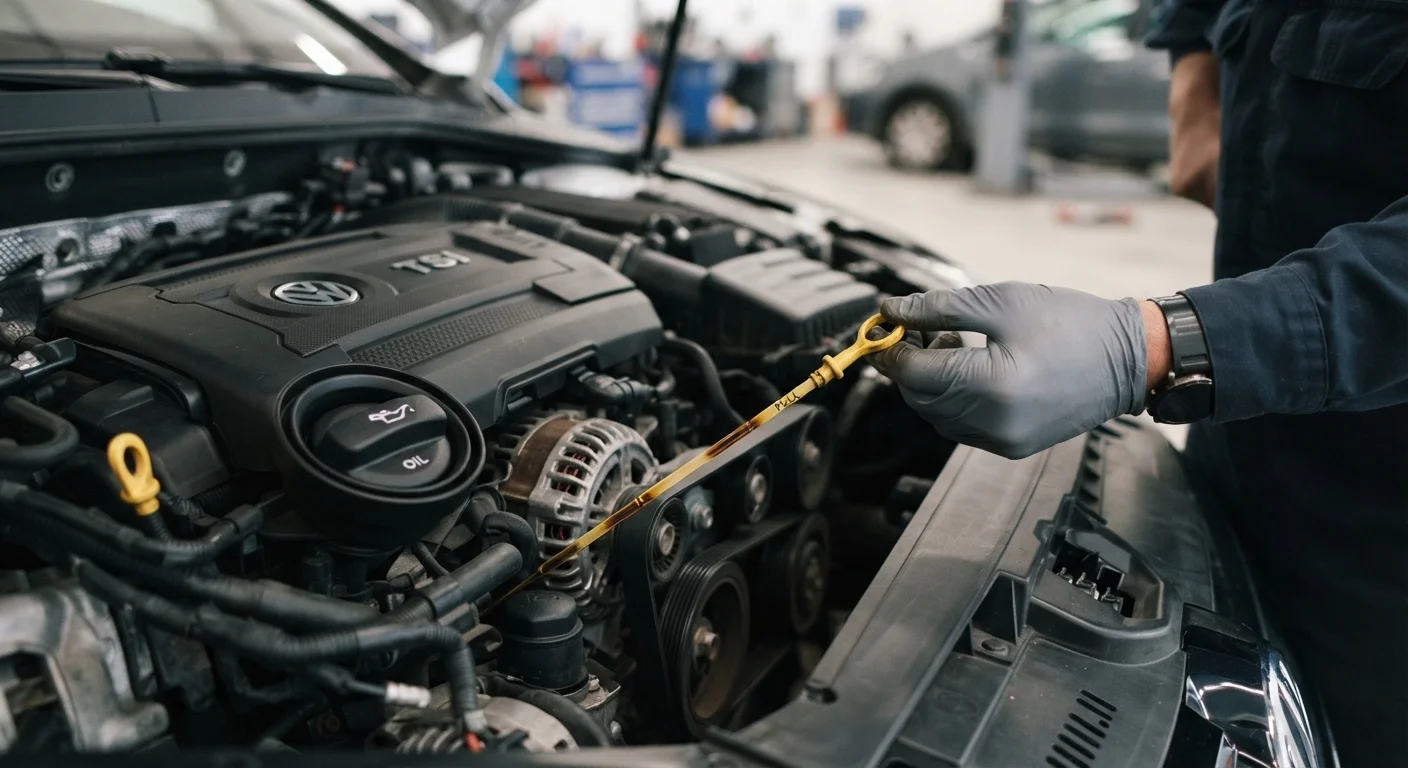
- Engine oil level: Pull the dipstick with the engine cold, wipe it clean, reinsert, and read the level. Low oil accelerates engine wear dramatically.
- Tire pressure: Check all four tires (and the spare) monthly using a pressure gauge. Correct PSI (pounds per square inch) is listed in your door jamb sticker, not on the tire sidewall.
- Coolant reservoir: Verify the level sits between the MIN and MAX marks. Low coolant risks overheating.
- Windshield washer fluid: A simple visual check - run low and you lose visibility in critical moments.
- Lights: Walk around the vehicle monthly to confirm all exterior lights function correctly.
These checks take under five minutes and give you early warning of developing problems. Weather extremes can accelerate fluid consumption and pressure changes - our seasonal maintenance guide covers how conditions affect each system.
Check your tire pressure after any significant temperature drop - for every 10°F (5.5°C) decrease in ambient temperature, tires lose approximately 1 PSI. This is an easy correction that directly affects fuel economy and handling.
Under-inflated tires increase rolling resistance and uneven wear, and are a leading contributor to blowouts at highway speeds.
When in doubt about an interval, always defer to your owner's manual over generic online schedules - manufacturers design service timelines around specific engine tolerances, oil specifications, and operating conditions.
Generic intervals are useful starting points, but manufacturer specifications reflect actual engineering data for your vehicle's components.
Every 5,000-10,000 km: Core Service Intervals
This range covers the most frequently required professional or semi-professional services. Intervals vary by vehicle age, engine type, and whether you use conventional or synthetic oil - always cross-reference your owner's manual.
- Oil and filter change: The foundational service. Degraded oil loses its ability to lubricate and cool engine components. Many modern vehicles with synthetic oil extend this to 10,000 km or beyond, but older or high-mileage engines often benefit from shorter intervals.
- Tire rotation: Rotating tires every 8,000-10,000 km evens out wear patterns and extends tire life significantly.
- Brake inspection: A visual check of pad thickness and rotor condition at each rotation interval catches wear before it becomes a safety issue.
Consistent oil changes are the single most studied maintenance variable in engine longevity research. Skipping them - even occasionally - accelerates sludge buildup and bearing wear. See our article on habits that shorten engine life for more on why this matters.
Every 30,000-60,000 km: Mid-Range Milestones
These services are less frequent but equally important. Missing them tends to surface as sudden, expensive failures rather than gradual performance decline.
- Air filter replacement: A clogged air filter reduces engine efficiency and can affect fuel economy. Most are straightforward to inspect and replace.
- Cabin air filter: Affects HVAC performance and interior air quality. Often overlooked, typically located behind the glove box.
- Brake fluid: Brake fluid absorbs moisture over time, which lowers its boiling point and reduces braking effectiveness. Most manufacturers recommend replacement every 2 years or 40,000 km.
- Spark plugs: Worn plugs cause misfires, poor fuel economy, and hard starts. Conventional plugs typically need replacement around 45,000 km; iridium or platinum plugs may last up to 100,000 km.
- Transmission fluid: Neglecting this is one of the more expensive oversights - transmission rebuilds rank among the costliest automotive repairs.
Don't Skip Transmission Fluid Service
Transmission fluid is one of the most commonly deferred services, often because the effects of neglect aren't immediately noticeable. Over time, degraded fluid loses its ability to cool and lubricate the transmission's moving parts, leading to premature failure. Transmission replacement or rebuild costs can reach several thousand dollars - a cost that routine fluid changes are specifically designed to prevent.
Every 100,000 km and Beyond: Major Service Points
Reaching six figures on the odometer is a milestone that calls for several significant inspections. Many components have service lives designed around this threshold.
- Timing belt or chain: If your engine uses a timing belt (check your manual - not all do), replacement is typically required between 90,000 and 160,000 km. A snapped timing belt can cause catastrophic engine damage. This is not a DIY task for most drivers - have a qualified mechanic handle it.
- Coolant flush: Old coolant loses its corrosion inhibitors, degrading internally. A full system flush and refill is standard at this mileage.
- Serpentine belt: This single belt drives multiple engine accessories. Inspect for cracking or fraying and replace proactively.
- Battery: Most automotive batteries have a service life of 3-5 years. At higher mileage, proactive testing and replacement prevents being stranded.
- Wheel bearings and suspension components: Have a mechanic inspect these at major service intervals - worn bearings affect handling and tire wear.
If you're evaluating a used vehicle with high mileage, understanding which of these services have been completed is essential. Our car buying guidance covers what to look for in a vehicle's history.
Keeping Records and Staying Consistent
The final piece of an effective maintenance strategy is documentation. A complete service history helps mechanics diagnose problems faster, allows you to catch patterns (such as brake pads wearing unusually quickly), and adds tangible value at resale. Buyers and dealers alike pay attention to documented upkeep.
Keep a simple logbook in the glovebox or use a smartphone app to note the date, mileage, and work performed at each service. Retain receipts for any professional work. This habit takes seconds per visit and pays dividends over years of ownership. Our article on keeping a service record explains exactly what to track and why it matters.
If you're new to car ownership and building these habits from scratch, our guide for new drivers is a practical starting point. Consistency - more than any single service - is what keeps a vehicle running well for the long term.