The Invisible Tax of Modern Convenience
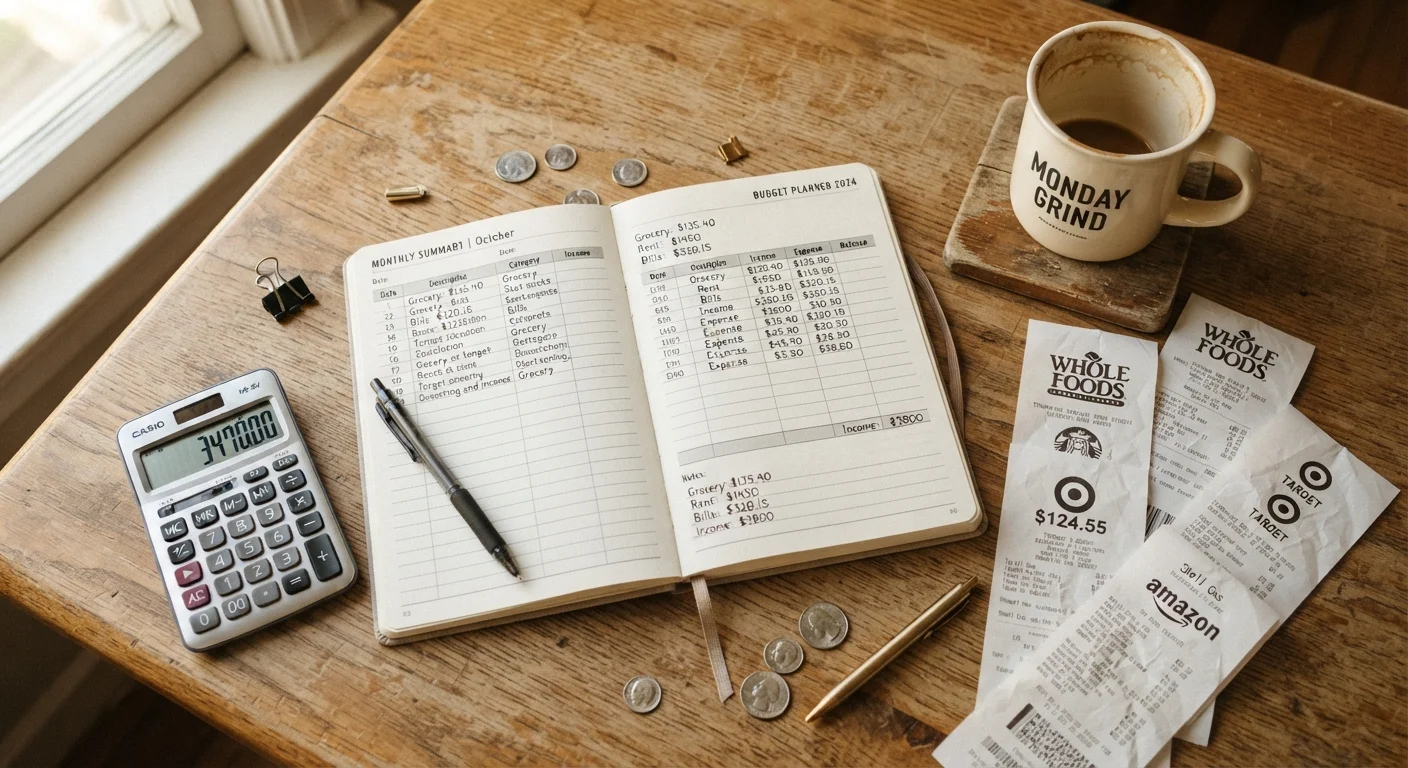
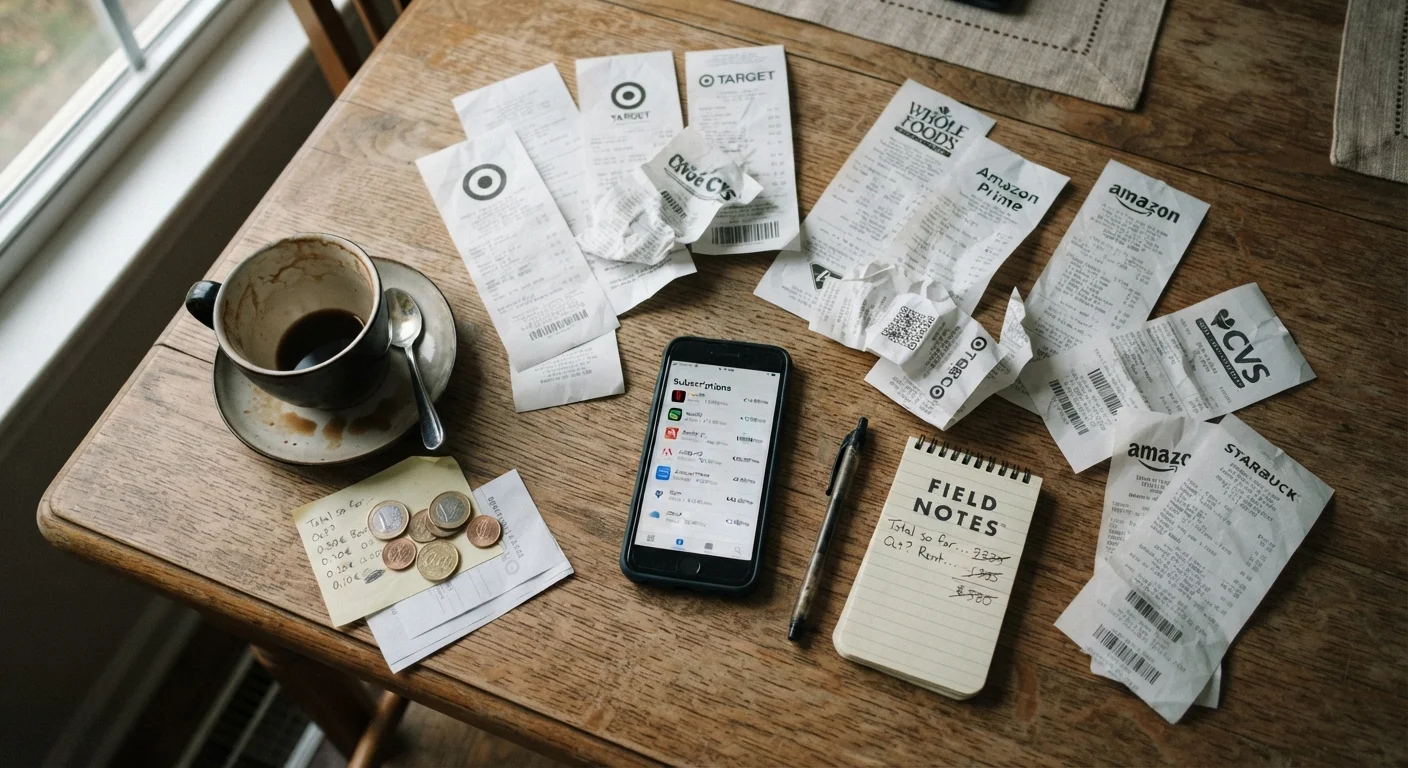
Most people know they should be saving more. What's harder to see is exactly where that money is disappearing. Research consistently shows that consumers significantly underestimate their discretionary spending — not because they're reckless, but because individual purchases feel too small to matter in the moment. A $6 coffee, a $14 streaming service, a $4 parking app: none of these feel like financial decisions. Together, they can amount to hundreds of dollars a month.
This article focuses on the specific habits that silently erode savings — and the practical steps to interrupt them. For a broader look at where money tends to go month to month, see our monthly cash flow audit guide. And if you want to build the routines that make change stick, these long-term budgeting habits are worth reading alongside this piece.
Paying for subscriptions you've forgotten about or rarely use.
Why it happens: Subscriptions are designed to auto-renew with minimal friction, and free trials often convert to paid plans without a prominent reminder. Over time, households accumulate services they signed up for once and never cancelled.
Defaulting to convenience food and takeout without tracking the cumulative cost.
Why it happens: Individual food purchases feel minor, and the decision to order delivery often happens in low-willpower moments — tired evenings, busy afternoons — when cooking feels unrealistic.
Making impulse purchases triggered by sales, notifications, or social media.
Why it happens: Discounts create a sense of urgency and loss aversion — you feel like you're saving money by spending it. App notifications and algorithmic recommendations are engineered to surface items at high-intent moments.
Ignoring small recurring fees like app upgrades, cloud storage tiers, or ATM charges.
Why it happens: These fees are typically under $5 and appear on statements with unfamiliar vendor names, making them easy to overlook during a quick statement scan.
Failing to budget for irregular but predictable annual or seasonal expenses.
Why it happens: Monthly budget frameworks focus naturally on monthly costs. Expenses that arrive once or twice a year — insurance premiums, vehicle registration, holiday spending — don't fit that template and get mentally deferred.
Keeping money that should be saved in a low- or no-interest checking account.
Why it happens: Many people deposit everything into one account out of habit or simplicity, without comparing what different account types offer in terms of interest.
Why These Patterns Are So Hard to Break
Understanding why these habits persist is as important as identifying them. Convenience is genuinely valuable — no one should feel guilty for paying for time. The problem is when convenience costs accumulate without conscious awareness. Marketers design subscription services and app experiences specifically to minimize the psychological weight of recurring charges. Auto-renewal defaults, free trials with hidden end dates, and bundled pricing all serve the same purpose: to make spending feel effortless.
$219/mo
Average underestimate of monthly subscription spend
A C+R Research survey found that consumers underestimate their monthly subscription costs by an average of $219 compared to their actual charges.
~30%
Of household food spending goes to eating out
The U.S. Bureau of Labor Statistics Consumer Expenditure Survey consistently shows roughly 30% or more of total food spending occurring away from home.
One of the most overlooked categories is irregular-but-predictable spending. Annual fees, car registration, holiday gifts, and seasonal costs don't show up in monthly bills, so they get left out of most budgets — then arrive as unwelcome surprises. The article on spending categories most budgets forget covers these blind spots in detail.
Grocery shopping is another area where costs quietly inflate. Unit pricing traps, loyalty card fine print, and store layout all influence spending in ways that aren't obvious at checkout. If your grocery bill seems to creep upward despite consistent habits, this breakdown of hidden grocery costs may explain why.
Your Statement Is the Only Source of Truth
Memory is a poor tool for tracking spending. Studies in behavioral economics consistently show that people recall fewer purchases than they actually make and systematically underestimate their amounts. Relying on mental accounting — rather than actual transaction records — almost always leads to underestimating how much is leaking out. A monthly statement review, however brief, closes that gap.
The goal isn't to eliminate spending — it's to ensure spending reflects actual priorities. A useful first step is a simple statement audit: download two or three months of bank and card transactions, then categorize them without judgment. Patterns emerge quickly. For those whose recurring household bills feel immovable, these strategies to reduce bills without switching providers offer practical leverage.
This article provides general financial information for educational purposes only and does not constitute personalized financial advice. Consult a qualified financial professional for guidance specific to your situation.