The Receipt Doesn't Tell the Whole Story
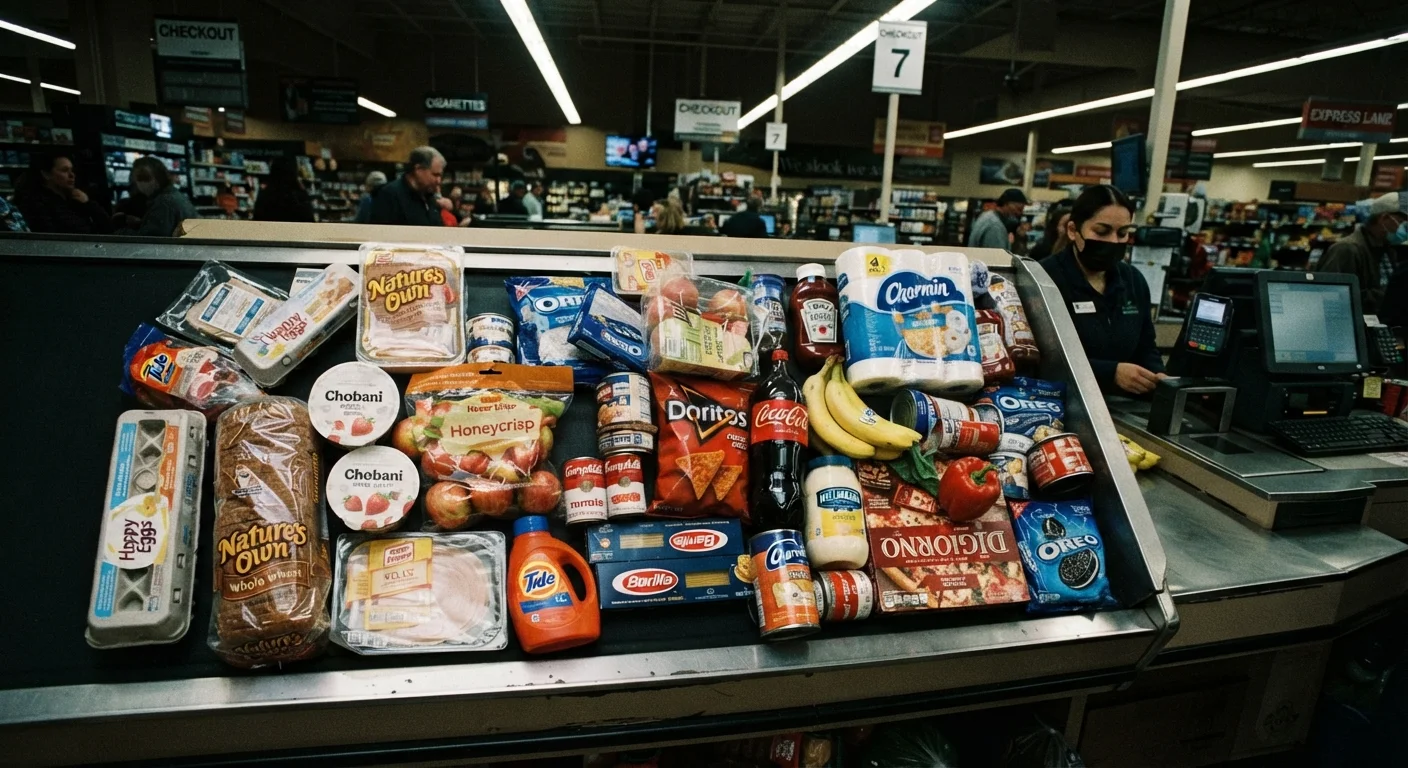
You budgeted $150 for groceries. You spent $187. This isn't bad luck — it's by design. Supermarkets are optimized environments where pricing psychology, packaging tactics, and promotional mechanics quietly work against careful shoppers. Understanding where the leakage happens is the first step to plugging it.
These aren't obscure loopholes. They're common patterns that affect nearly every household, and most of them are simple to counter once you know what to look for. The habits below collectively represent some of the most consistent drivers of grocery overspend — and none of them require you to clip coupons or change stores to fix.
For a broader look at routine spending patterns that quietly compound, see everyday habits that quietly erode your savings.
Comparing shelf prices instead of unit prices.
Why it happens: The large price tag on the shelf is designed to catch the eye, while the small unit-price label is easy to overlook or ignore when you're moving quickly through the store.
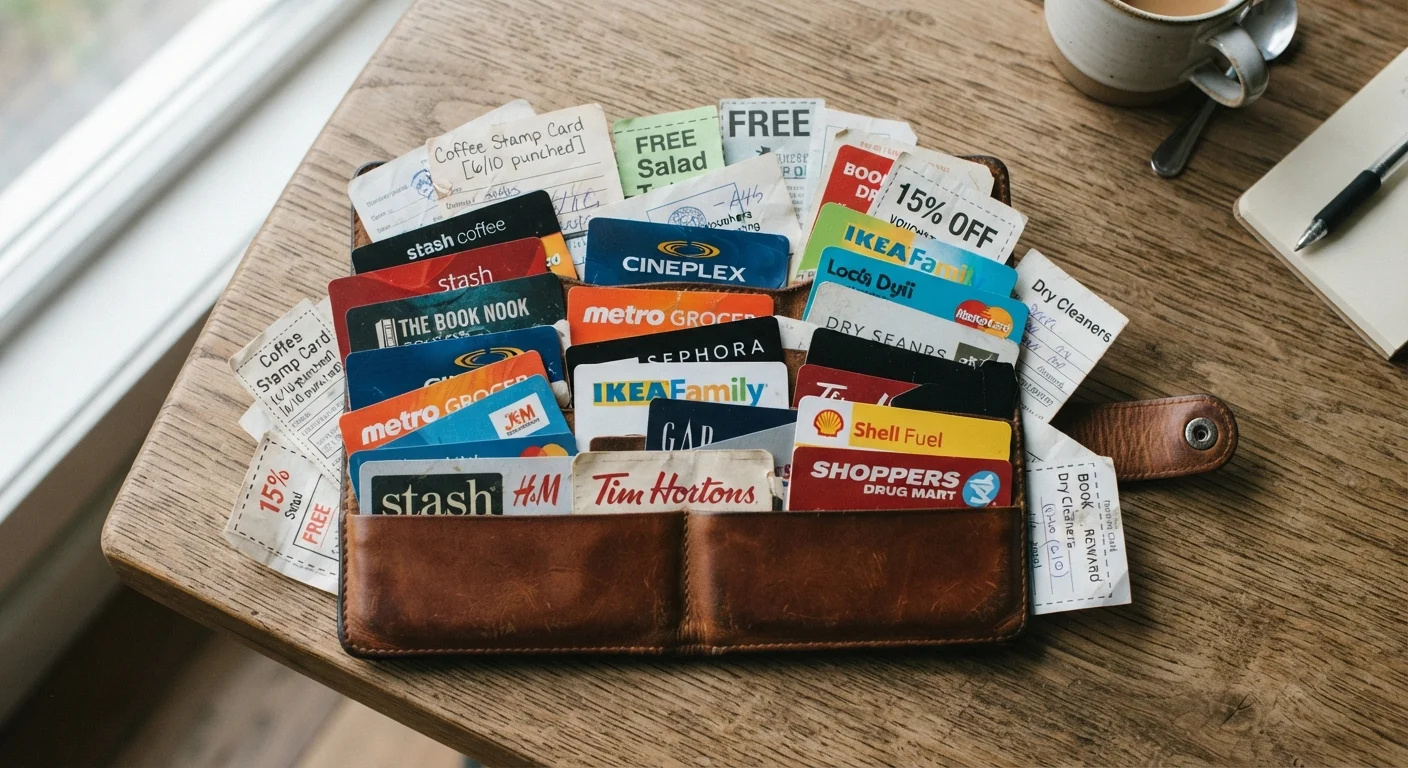
Assuming loyalty card 'sale' prices represent genuine savings.
Why it happens: Stores often raise the baseline 'regular' price before applying a member discount, making the final price appear like a bargain when it may be close to — or even above — the normal market rate.
Buying in bulk without accounting for spoilage or storage.
Why it happens: The per-unit price on a large package looks compelling, and bulk buying feels financially responsible — but the savings evaporate if product goes to waste before you use it.
Falling for multi-buy promotions you didn't plan for.
Why it happens: 'Buy 3, save $2' deals trigger a sense of urgency and feel mathematically logical, even when you only needed one item or wouldn't normally buy the product at all.
Ignoring shrinkflation across repeated purchases.
Why it happens: Subtle package size reductions happen gradually and packaging design rarely changes, so most shoppers don't notice they're getting less product for the same price.
Shopping without a list or a clear budget ceiling.
Why it happens: Retail environments are designed using behavioral research to encourage unplanned purchases through product placement, ambient cues, and end-cap displays.
How Stores Use Your Habits Against You
Retail grocery is a mature, data-rich industry. Stores know which products shoppers compare and which they grab on autopilot. End-of-aisle displays are rarely stocked with the actual best deals — they're high-margin items positioned to catch traffic. "Sale" signage appears on products that may not be discounted at all relative to the broader market.
Shrinkflation Is a Real Budget Drain
When manufacturers reduce package size without lowering the price, your cost-per-unit rises invisibly. The U.S. Bureau of Labor Statistics has acknowledged this as a factor in food cost tracking. Always compare unit prices — not pack sizes — between shopping trips to catch this pattern early.
The antidote isn't suspicion — it's a small set of consistent habits: check unit prices, stick to your list, and treat loyalty discounts as a starting point for scrutiny rather than a guarantee of value. The same critical lens that helps you decode a car's out-the-door cost applies at the grocery shelf. If you're curious how pricing tactics work at a psychological level, the psychology behind why sales make you spend more is worth reading before your next shopping trip.
Bulk Buys Can Backfire
Purchasing large quantities of perishables to chase a lower unit price only saves money if the product is consumed before it spoils. Household food waste in the U.S. is estimated to cost the average family hundreds of dollars per year. Before stocking up, realistically assess how quickly your household will use the item.
Small corrections in your grocery habits can compound meaningfully over a year. Building these checks into a simple budgeting framework makes the discipline easier to sustain without requiring you to spend hours price-tracking every week.
This article provides general consumer education and is not personalized financial advice. Consult a qualified financial professional for guidance specific to your circumstances.