
Why 'Forgotten' Expenses Are the Real Budget Killers
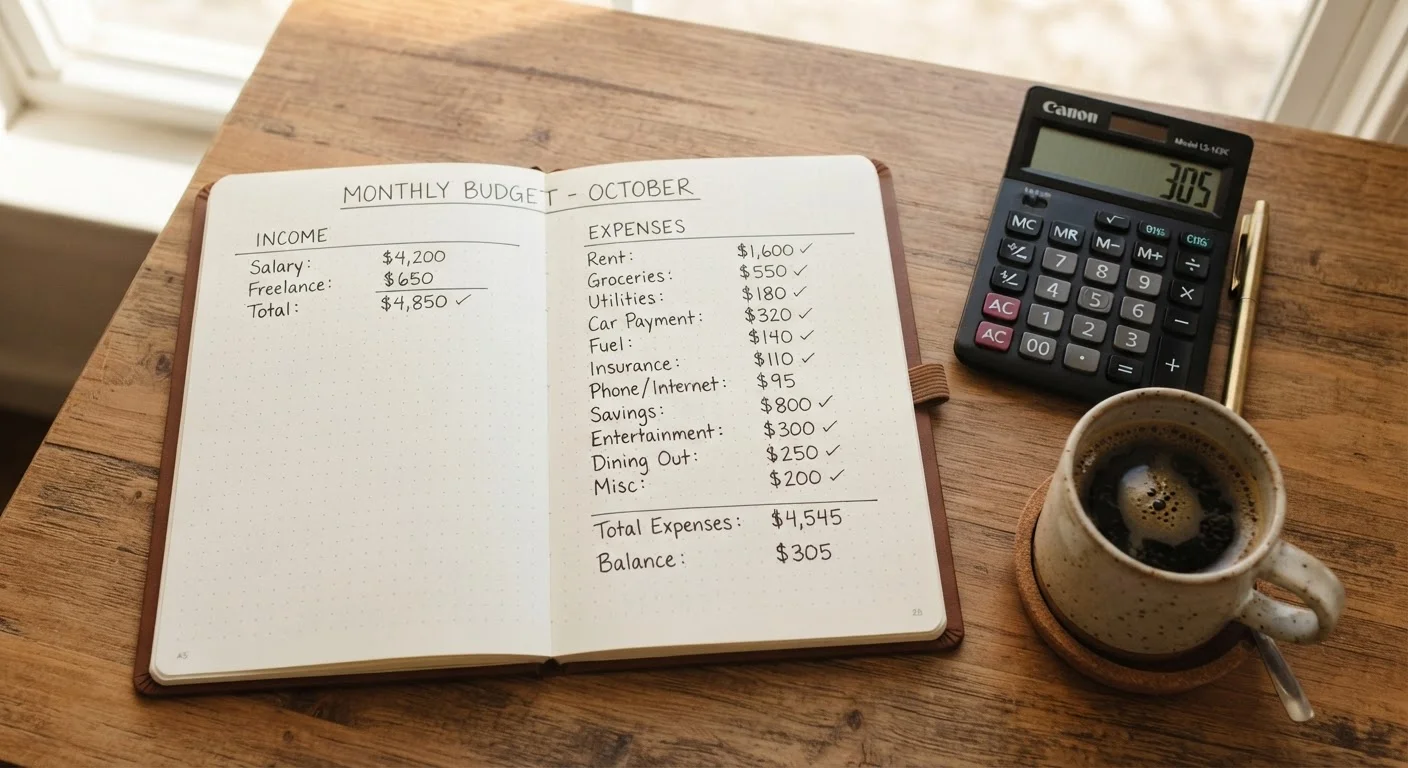
Most budgets account for the obvious stuff — rent, utilities, groceries, car payments. But month after month, people are blindsided by costs they technically knew were coming. The problem isn't ignorance; it's that irregular expenses don't show up on the same predictable 30-day cycle as a rent bill, so they never make it into the monthly budget template.
These aren't emergencies. They're predictable costs that happen quarterly, annually, or seasonally. When they arrive, most households cover them by raiding savings, leaning on a credit card, or simply scrambling. That cycle — budget, get hit, recover, repeat — is exactly what a well-structured spending plan is supposed to prevent.
If you're building your plan from scratch, Personal Budgeting From the Ground Up walks through the full framework. For now, let's focus specifically on the categories that routinely get left out — and how to fold them in before they catch you off guard.
Vehicle Registration and Annual Fees
State vehicle registration fees are due once a year, but because the timing varies by state and vehicle, they often fly under the radar until the renewal notice arrives. Depending on where you live and what you drive, registration can run anywhere from modest to several hundred dollars. Add in any annual fees for parking permits or toll transponder accounts and the total climbs further.
Take your registration total from last year, divide by 12, and move that amount into savings each month. It turns a lump-sum bill into a manageable non-event.
Vehicle registration is predictable — treat it like a monthly expense by saving toward it year-round.
Gifts and Celebrations
Birthdays, weddings, baby showers, graduations, holidays — the gift-giving calendar is full, and it's almost entirely predictable. Yet most budgets don't include a dedicated gifts line. The result: holiday spending in November and December regularly derails budgets that had been working fine all year.
Estimate what you typically spend on gifts across the full year, divide by 12, and fund that category monthly. If holiday spending is the main pressure point, the Saving & Deals hub has approaches that can stretch a gift budget further.
Holiday and gift spending is almost entirely predictable — budget for it in January, not November.
Annual and Quarterly Subscriptions
Streaming services, software licenses, gym memberships billed annually, cloud storage, and professional memberships all tend to charge in lump sums. Because they don't appear on your monthly statement consistently, it's easy to forget they exist until the charge hits. Over a year, these annual charges can add up to a meaningful sum.
A subscription audit is worth doing at least once a year. This subscription audit checklist walks through how to surface every active subscription and evaluate whether each one is still earning its keep.
Annual subscriptions are invisible in monthly budgets but very visible when they hit your bank account.
Medical and Dental Out-of-Pocket Costs
Even with insurance, healthcare costs arrive unpredictably — a copay here, a deductible charge there, an unexpected dental procedure. Many budgets include a health insurance premium line but nothing for out-of-pocket spending. If you have a Health Savings Account (HSA) or Flexible Spending Account (FSA), those tools help, but only if you're actively contributing.
Look at last year's explanation-of-benefits statements to get a realistic baseline. Budget a monthly amount for out-of-pocket medical and dental costs based on that history — even a conservative estimate beats having no line at all.
A health insurance premium line is not the same as budgeting for what insurance doesn't cover.
Home and Car Maintenance
HVAC filters, oil changes, tire rotations, appliance repairs, pest control, gutter cleaning — maintenance costs are relentless and rarely timed conveniently. A common rule of thumb for home maintenance is to budget roughly 1% of a home's value per year, though actual costs vary widely based on the age and condition of the property. Car maintenance runs similarly variable depending on mileage and vehicle age.
Neither figure is a guarantee of actual costs — it's a planning anchor. The goal is to have a funded category so that routine maintenance doesn't become a financial crisis.
Deferred maintenance almost always costs more than staying current — budget for it proactively.
Travel and Seasonal Costs
A summer vacation, a Thanksgiving trip, or even a long weekend away can represent one of the largest discretionary costs of the year — yet many budgets treat travel as an afterthought. Seasonal costs like back-to-school shopping, winter clothing, or holiday decorations follow a similar pattern: predictable timing, unpredictable budget inclusion.
If travel is a priority, plan for it explicitly. Building a Travel Budget That Actually Holds Up on the Road covers how to estimate real trip costs including the costs most people underestimate.
Travel is one of the most budget-busting expenses precisely because people plan the trip but not the money.
Pet Costs Beyond Monthly Food
Annual veterinary wellness visits, vaccinations, flea and tick prevention, licensing fees, grooming, and boarding during travel are all predictable but often excluded from monthly budgets. Pet owners frequently underestimate total annual spending on their animals because the costs are spread across different months and categories.
Tallying last year's pet expenses in total — not just food — often reveals a number larger than expected. Build that total into a monthly savings line so that a routine vet visit doesn't feel like an unplanned expense.
Annual vet visits and pet licensing are predictable — they should never feel like surprise expenses.
How to Stop These Categories From Ambushing You
The fix isn't complicated, but it does require one deliberate step: a spending audit. Pull up 12 months of bank and credit card statements and look for any charge that didn't appear every single month. Those are your forgotten categories. Where Does Your Money Actually Go Each Month? covers this process in detail.
Once you have your list, divide each annual cost by 12 and set that amount aside every month into a dedicated account — often called a sinking fund. That way, when your car registration comes due or the holiday season arrives, the money is already waiting. You can also use the Monthly Budget Setup Checklist to make sure no category slips through the cracks going forward.
Start with last year's statements
The fastest way to find your missing budget categories is to scroll through 12 months of transactions and highlight anything that didn't occur every month. Group those charges, add them up, and divide by 12. That number belongs in your monthly budget as a standing line item. Most people find at least two or three categories they had never formally accounted for.
This article is for general informational and educational purposes only and does not constitute financial advice. Consider consulting a qualified financial professional for guidance tailored to your personal circumstances.