How Couponing Has Changed
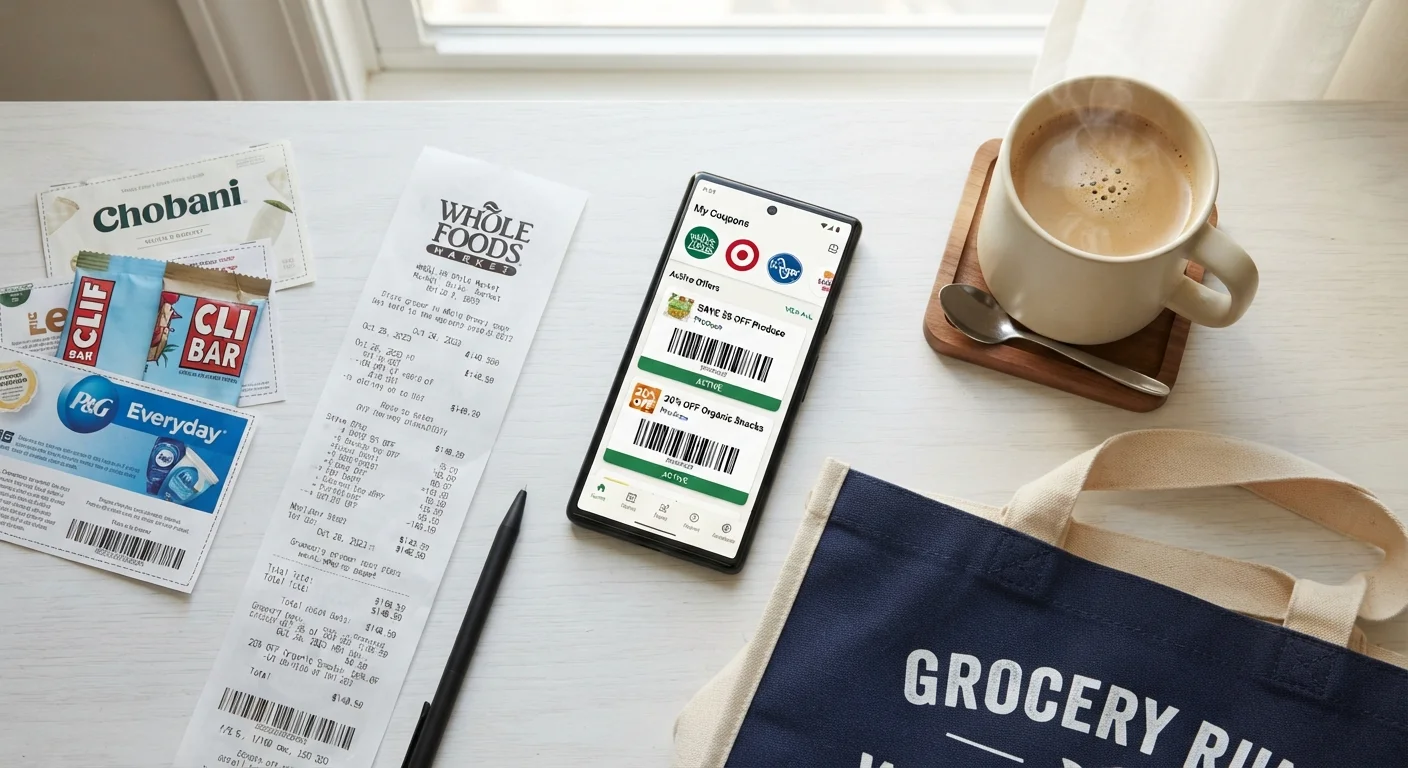
A decade ago, extreme couponing meant stacks of Sunday circulars, scissors, and binders organized by expiration date. That image hasn't disappeared entirely, but it's largely outdated. The fundamental shift has been from physical media to digital platforms — driven by retailers, not shoppers.
Grocery chains and big-box stores moved aggressively into loyalty programs and app-based coupons because digital delivery is cheaper to distribute and easier to track. According to data from the Association of Coupon Professionals, digital coupon redemptions have grown substantially while print coupon redemptions have declined year over year. The infrastructure changed — and shoppers had to adapt.
That said, this isn't a story about paper coupons dying. It's about adding new tools to the kit. Understanding both the old and new landscape is the first step toward using either effectively. For a broader view of how to evaluate whether any deal is genuinely worth taking, see how to evaluate discounts objectively.
What Digital Couponing Looks Like Today
The modern couponing toolkit is fragmented across several types of platforms, each with its own logic:
- Retailer loyalty apps: Stores clip digital coupons directly to your account, automatically applied at checkout when you scan your card or app. No clipping, no forgetting — but you do need to activate offers before purchase.
- Cashback apps and browser extensions: These platforms offer rebates after purchase, either by scanning receipts or through browser integrations during online checkout. They work across multiple retailers and categories.
- Manufacturer coupon portals: Major consumer goods companies offer printable or loadable coupons directly from their websites or through aggregator platforms. These can often be combined with store sales.
- Email and SMS offers: Signing up for retailer communications frequently delivers exclusive coupon codes, especially around holidays or for loyalty members.
2.6B+
Digital coupons redeemed annually in the US
Industry data from the Association of Coupon Professionals indicates digital redemptions have grown to billions annually, far outpacing print.
~$1,500
Average annual household savings from loyalty programs
Retailer loyalty program estimates suggest consistent participants can save meaningfully on recurring grocery and pharmacy purchases each year.
3–5 min
Time needed for a useful weekly coupon check
Consumer savings researchers generally find that brief, consistent pre-shopping routines yield the highest return on time invested in couponing.
The practical advantage of digital coupons is convenience and stackability — many retailers allow you to combine a loaded loyalty coupon with a sale price simultaneously. The disadvantage is data: every digital coupon you use tells the retailer something about your buying habits. That's a trade-off worth being conscious of, not necessarily one to avoid.
What Still Works from the Old Playbook
Paper coupons haven't vanished. Sunday newspaper inserts, direct-mail flyers, and in-store tear pads still circulate — particularly in grocery, pharmacy, and household goods categories. For certain product types, manufacturer paper coupons remain more generous than digital equivalents.
The enduring strategies from traditional couponing translate directly to the digital world:
- Stack coupons with sales: Whether digital or paper, the core principle holds — applying a coupon during a sale event multiplies your savings. Timing matters.
- Buy in quantities you'll actually use: Stocking up makes sense when the price is genuinely lower and the product has a long shelf life. See when stockpiling actually saves money for a more detailed framework on this decision.
- Know your baseline prices: You can't judge a coupon's value without knowing what you normally pay. A quick price log — even a note on your phone — closes this gap fast.
Check whether your store's loyalty app allows stacking a digital manufacturer coupon on top of a store coupon — many do, and that combination is where the real savings happen.
Stacking coupons from two different sources (manufacturer and retailer) on a single item is one of the highest-leverage moves in modern couponing, but shoppers often assume it isn't allowed and never try.
Build your shopping list before you open any coupon app — that way, you're matching coupons to needs, not letting coupons dictate purchases.
Research on consumer behavior consistently shows that starting with the coupon rather than the shopping list leads to unplanned purchases that erase savings.
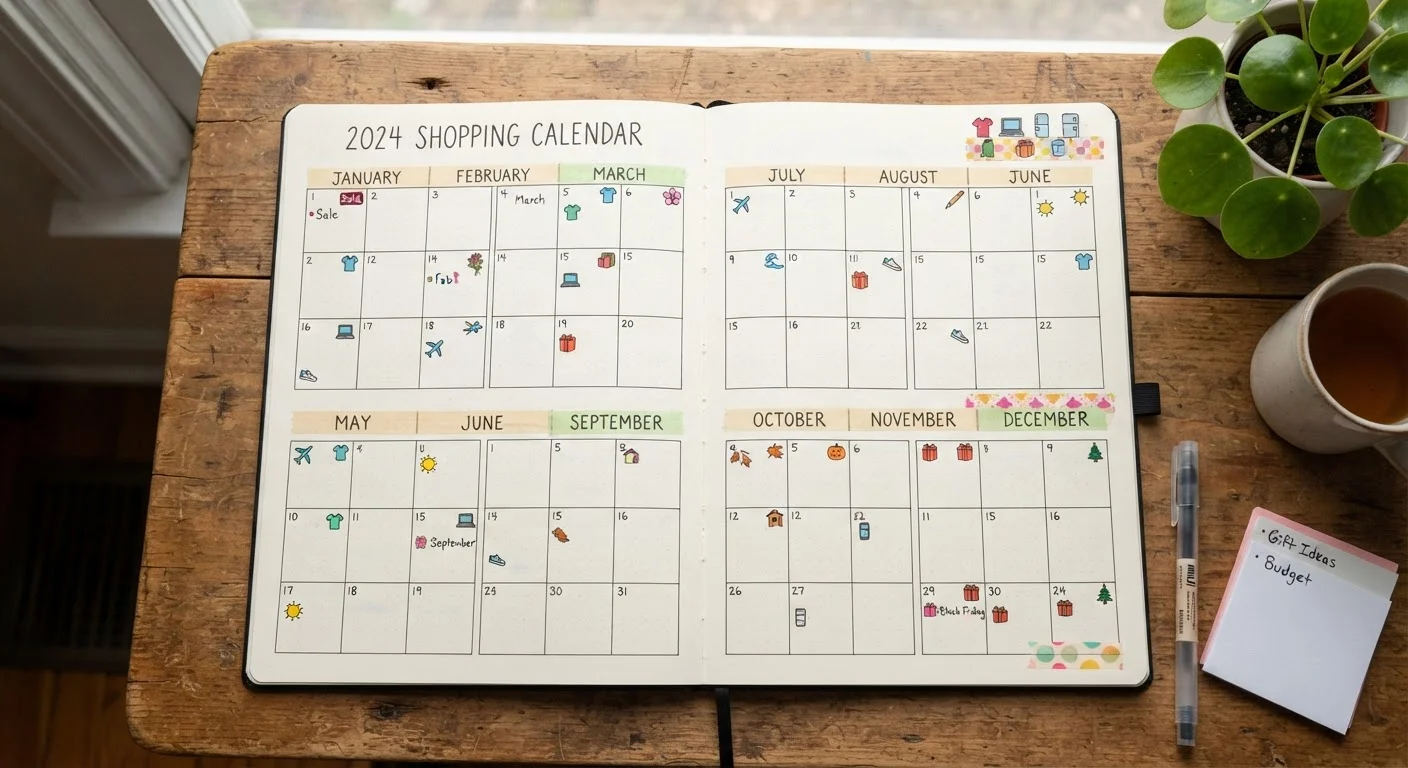
Seasonal timing also remains a powerful lever. Pairing coupons with predictable retail markdown cycles — like post-holiday clearance or back-to-school promotions — amplifies the effect. The seasonal shopping calendar offers a category-by-category reference for when prices tend to fall.
Avoiding Common Couponing Pitfalls
Couponing can create a false sense of savings if you're not careful. The most common traps:
- Buying things you wouldn't otherwise purchase: A 40% discount on something you don't need is still money spent. This is the single biggest way couponers undo their own savings.
- Chasing deals across multiple stores: Gas, time, and opportunity cost add up. If you're driving 20 minutes out of your way for a $2 savings, the math rarely works out.
- Ignoring store brands: Sometimes the store-brand item with no coupon is still cheaper than the name-brand with a coupon. Always compare the final unit price.
- Letting coupons expire unused: Digital coupons especially tend to accumulate and expire silently. Building a quick weekly review habit prevents waste.
The goal is disciplined savings, not deal-hunting for its own sake. If you're tracking your overall spending and this doesn't fit cleanly into your system, the right budgeting method for your habits can help you see the full picture.
Building a Couponing System That Fits Your Life
The most effective approach is a simple, repeatable routine rather than an all-consuming hobby. A workable system for most households looks like this:
- Pick two or three platforms to use consistently — a store loyalty app, one cashback tool, and your email inbox for targeted offers.
- Before any grocery or household shopping trip, spend five minutes checking what's loaded to your accounts and what's on sale that week.
- Keep a rough price log for the 10–15 items you buy most often. This makes it easy to recognize a genuinely good deal without guesswork.
- At the end of each month, check your savings total against what you actually spent. If couponing is costing more time than it's saving money, simplify.
Couponing at its best is a tool that rewards consistency and discipline — not complexity. Combined with habits like reducing recurring household bills, even modest coupon savings compound meaningfully over time. Start with one platform, build the habit, and expand only when it's paying off.
This article is for general informational purposes only and does not constitute personalized financial advice. Individual savings will vary based on spending habits, location, and available offers. Consult a qualified financial professional for guidance specific to your situation.