What Each Approach Actually Means
Stockpiling means purchasing more of an item than you need right now — betting that you'll use it eventually and that buying in bulk today costs less than buying repeatedly at full price. Buying as needed means purchasing roughly what you'll consume in the near term, keeping inventory lean and cash in your pocket.
Neither is inherently smarter. The right choice depends on what you're buying, how reliably you use it, where you're storing it, and what your household budget can absorb upfront. The goal of this comparison is to help you match each strategy to the right category of spending — not to declare a universal winner.
For a broader look at reducing regular household costs, see strategies to lower recurring household bills that work alongside smarter purchasing habits.
Where Stockpiling Genuinely Pays Off
Bulk purchasing delivers real savings when three conditions are met: the product is non-perishable or has a long shelf life, your household uses it at a consistent rate, and you have adequate, appropriate storage.
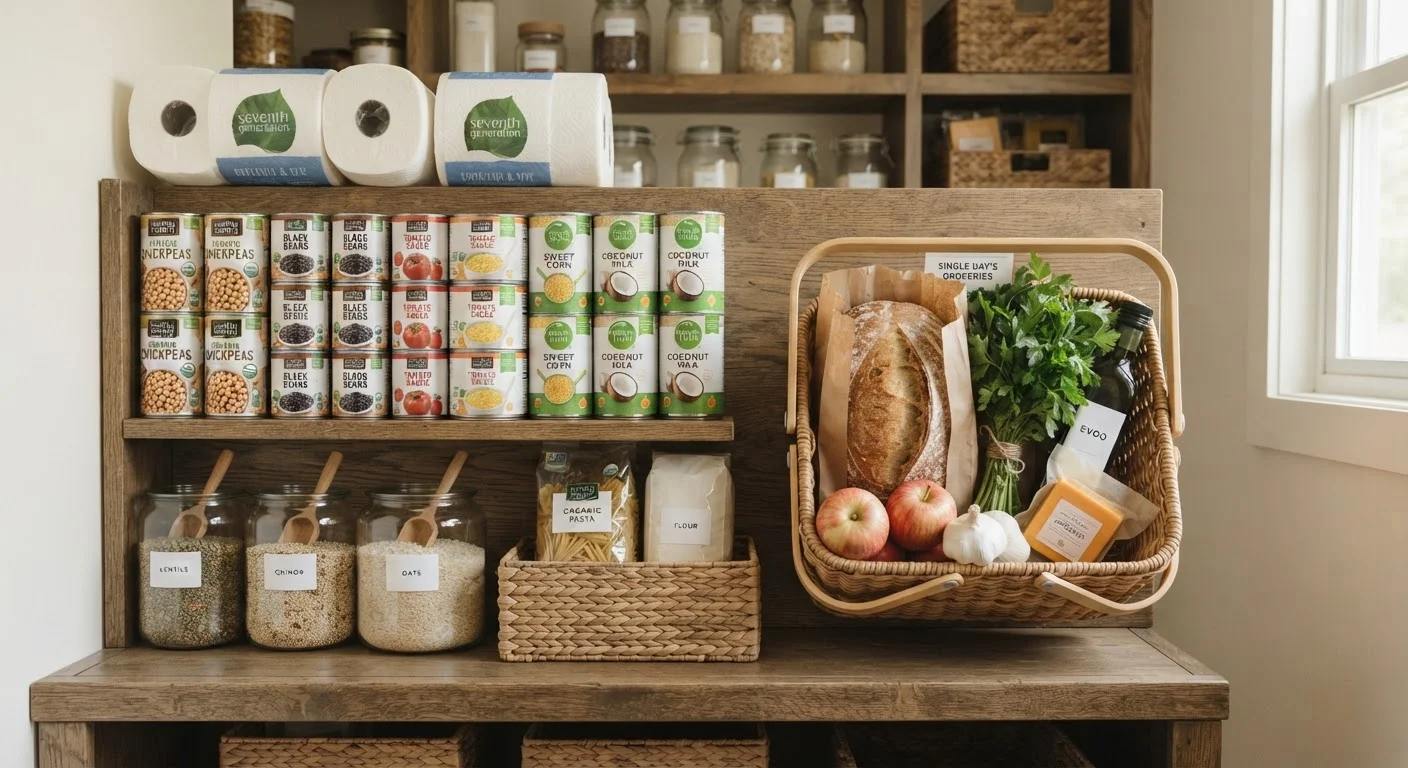
Classic candidates include laundry detergent, canned goods, dry pasta, rice, toilet paper, and over-the-counter medications with distant expiration dates. When the per-unit price on a bulk pack is meaningfully lower and you know you'll use every unit, the math is straightforward.
| Criterion | Stockpiling | Buying as Needed |
|---|---|---|
| Best product type | Non-perishables, long shelf life | Fresh, perishable, or variable-use items |
| Upfront cost | Higher — requires available cash | Lower — spread over time |
| Per-unit cost | Often lower in bulk | Often higher per unit |
| Waste risk | Higher if consumption is overestimated | Lower — buy what you use |
| Storage requirement | Significant space needed | Minimal storage required |
| Cash flow impact | Reduces short-term flexibility | Preserves monthly liquidity |
| Price volatility protection | Good buffer against price spikes | Exposed to real-time price changes |
Stockpiling also offers a practical buffer against price volatility. Household staple prices can shift with supply chain disruptions or seasonal demand. Maintaining a modest reserve means you're less likely to make urgent purchases at peak prices.
The risk: cash tied up in inventory that spoils, gets lost at the back of a shelf, or simply never gets used. That's not savings — it's prepaid waste. Tracking prices over time before committing to a bulk buy helps confirm you're actually getting a better deal rather than just buying more.
When Buying as Needed Makes More Financial Sense
For perishables — fresh produce, dairy, meat, bakery items — buying as needed is almost always the financially rational choice. The spoilage risk is too high, and the "savings" from buying in bulk evaporate the moment food ends up in the trash.
Buying as needed also makes sense for items your household uses inconsistently, products that change formulation frequently (some cleaning products, personal care items), or categories where your preferences shift. Buying 200 units of something you'll use 10 of is not a deal — it's a commitment you may regret.
31–40%
Share of US food supply wasted at home
According to USDA estimates, household food waste accounts for a significant share of total food loss in the United States.
~$1,500
Average annual food waste cost per US household
The Natural Resources Defense Council has estimated that the average American family loses roughly this amount annually to discarded food.
10–30%
Typical per-unit savings from bulk purchasing
Consumer research generally finds bulk unit prices run meaningfully lower, though actual savings depend heavily on product category and retailer.
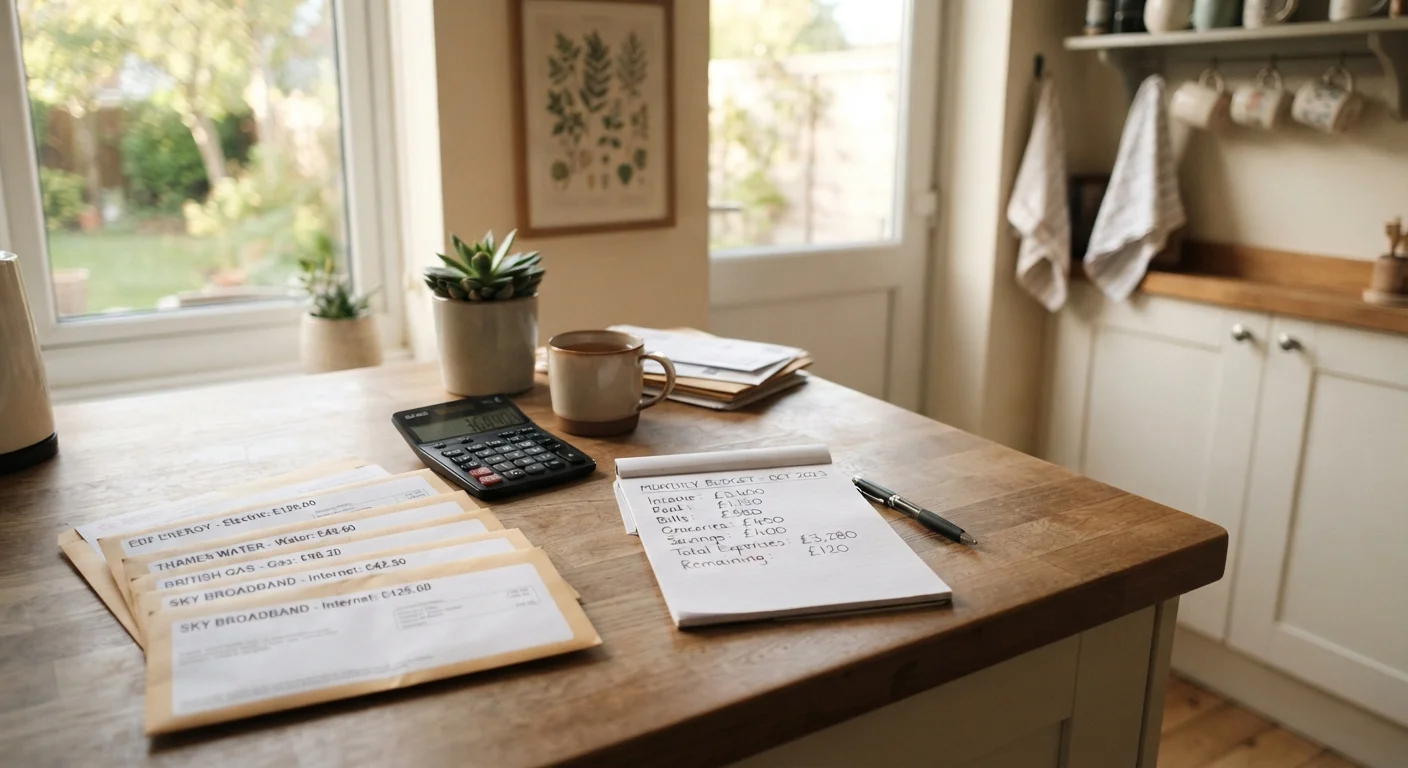
There's also a cash flow argument that's easy to underestimate. Spending $80 on a bulk purchase preserves less flexibility than spreading that same spending over several weeks. For households managing tight monthly budgets, liquidity often matters more than marginal per-unit savings. This connects to the broader discipline of building a realistic household budget that accounts for timing, not just totals.
Building a Hybrid Approach That Works
Most households benefit most from a hybrid model: stockpile a defined list of proven staples, buy everything else as needed. The discipline is in keeping that stockpile list short and honest.
Start by auditing one month of purchases. Identify which non-perishable items you reliably consume at a consistent rate. Those are your stockpile candidates. Everything else — especially fresh food, specialty items, and anything you buy out of opportunity rather than need — stays in the buy-as-needed column.
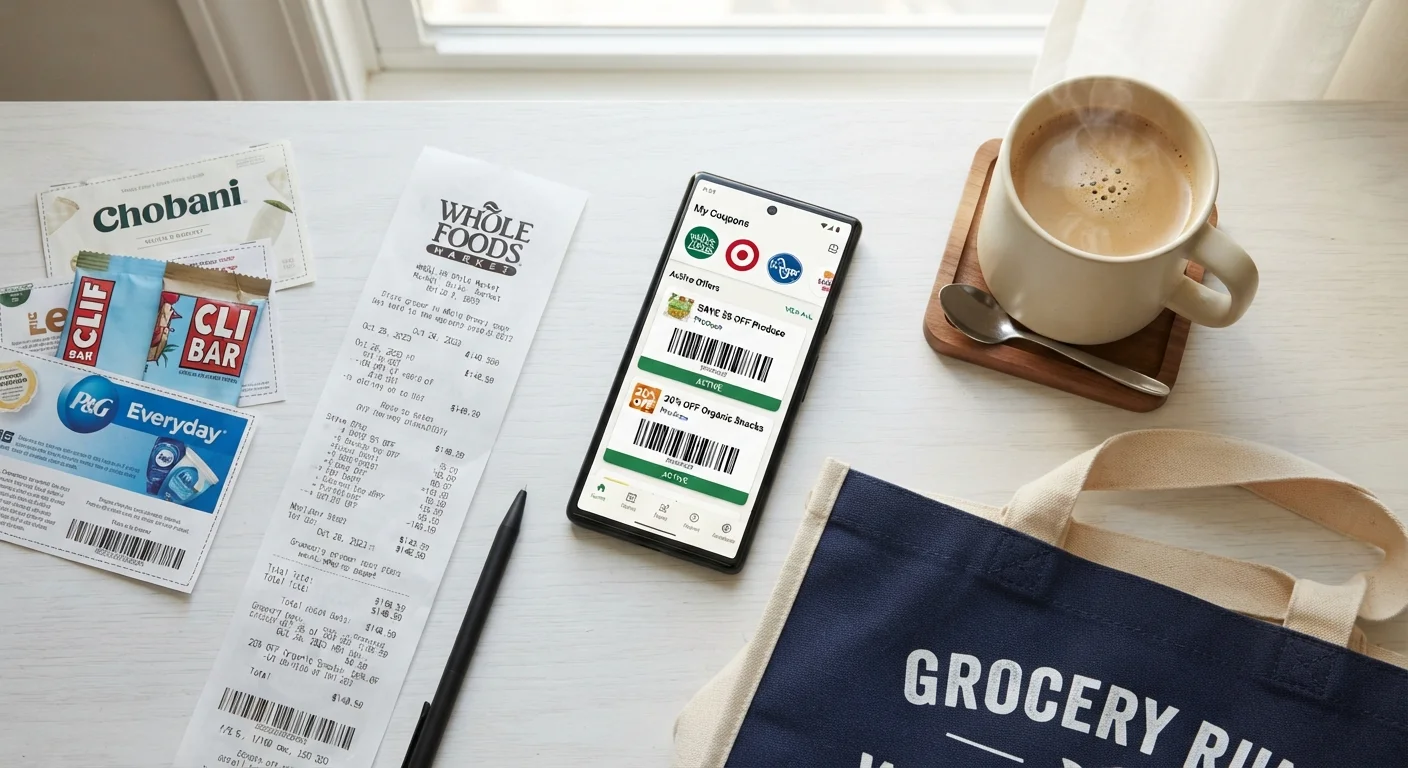
A practical rule of thumb: don't stockpile more than a 3-month supply of any item. Beyond that, you're betting on your future behavior more than your current patterns. Pair this with digital couponing tools (modern couponing strategies have shifted considerably) to time bulk purchases when prices drop, rather than buying in bulk at full price.
Revisit your stockpile list every few months. Needs change — and a strategy that worked for a four-person household may not suit the same household a year later.
This article is for general informational purposes only and does not constitute personalized financial advice. Individual circumstances vary; consult a qualified financial professional for guidance specific to your situation.