
Why Debt Feels Overwhelming — and Why It Doesn't Have to Be
Debt has a way of growing quietly in the background until one day it feels enormous. For many people, the problem isn't the debt itself — it's the lack of a clear picture of what they actually owe. Without that picture, it's impossible to make a plan, and without a plan, anxiety fills the gap.
The good news: debt is a solvable problem for most people, and solving it starts with information rather than willpower. This guide walks you through the fundamentals — no jargon, no shame, just a practical roadmap. For a broader overview of debt and credit together, see Managing Debt and Credit: The Complete Picture.
APR
Annual Percentage Rate — the yearly cost of borrowing money expressed as a percentage. A higher APR means you pay more in interest over time.
Minimum payment
The smallest amount a lender requires you to pay each month. Paying only the minimum keeps the account in good standing but extends repayment and increases total interest paid.
Credit utilization ratio
The percentage of your available revolving credit (like credit cards) that you're currently using. Lower utilization generally supports a stronger credit score.
Debt-to-income ratio
Your total monthly debt payments divided by your gross monthly income. Lenders use this to assess whether you can manage additional borrowing.
Secured vs. unsecured debt
Secured debt is tied to a physical asset a lender can repossess if you stop paying. Unsecured debt has no collateral backing it, but often carries higher interest rates.
Step One: Build Your Complete Debt Inventory
Before you can pay anything down strategically, you need a single, accurate list of every debt you carry. This means pulling together statements, logging into online accounts, or requesting a free copy of your credit report — which lists most open accounts — from AnnualCreditReport.com.
For each debt, record:
- Creditor name
- Current balance
- Interest rate (APR)
- Minimum monthly payment
- Debt type (credit card, student loan, auto loan, etc.)
A simple spreadsheet or even a handwritten table works fine. The goal is visibility. Once everything is in one place, the total may feel daunting — but you'll also have something concrete to work with rather than a vague sense of dread.
Pull Your Free Credit Report First
Your credit report is one of the most reliable sources for a complete list of open accounts and their balances. You're entitled to free reports from each of the three major bureaus through AnnualCreditReport.com. Reviewing it also helps you catch any unfamiliar accounts that may indicate an error or fraudulent activity.
Understanding the Types of Debt You're Carrying
Not all debt behaves the same way. Two broad categories shape how you should think about prioritization:
- Secured debt
- Backed by an asset — your home (mortgage) or vehicle (auto loan). Missing payments risks losing that asset, so these carry serious consequences for non-payment.
- Unsecured debt
- Not tied to a specific asset — credit cards, medical bills, personal loans, most student loans. Interest rates are typically higher, and this is often where repayment strategy has the biggest impact.
Within unsecured debt, interest rate is the key variable. Credit card debt commonly carries double-digit APRs, making it expensive to carry a balance month to month. Federal student loans often carry lower, fixed rates and may offer income-driven repayment options — worth understanding separately before treating them identically to credit card debt.
If you're also navigating an auto purchase alongside debt, understanding how auto loans work can help you see how existing debt affects new borrowing.
Choosing a Repayment Strategy That Fits Your Life
Two structured methods dominate personal finance guidance on debt repayment, and both work — the difference is in how they keep you motivated.
Debt Avalanche
Pay minimums on all debts, then direct any extra money toward the debt with the highest interest rate. Once that's paid off, roll that payment to the next-highest rate. This approach minimizes the total interest you pay over time.
Debt Snowball
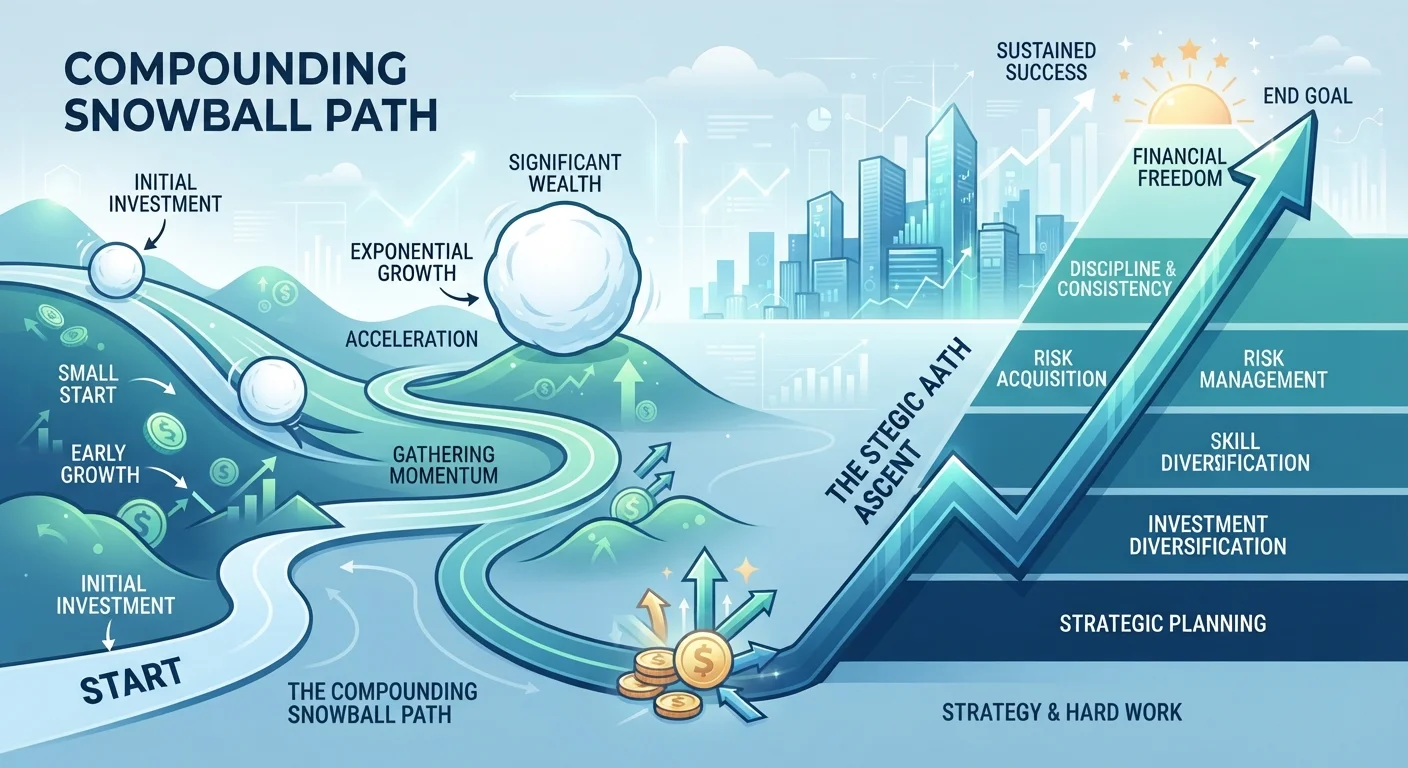
Pay minimums on all debts, then focus extra money on the smallest balance first. Eliminating smaller debts quickly generates momentum and a sense of progress. Research suggests the psychological boost from early wins helps some people stay consistent longer.
Neither method is objectively superior for every person. If seeing the math work in your favor is motivating, avalanche tends to be more efficient. If you need visible wins to stay on track, snowball may serve you better. See a detailed side-by-side comparison of both methods to help you decide.
Don't Skip Minimum Payments While Strategizing
While you're deciding on a repayment method, continue paying at least the minimum on every account. Missing payments triggers late fees, potential penalty interest rates, and credit score damage that can make your situation harder to resolve. Your chosen strategy applies to any amount above the minimums.
Protecting Your Progress: Budgeting and Avoiding Common Traps
A repayment strategy only works if your monthly budget consistently frees up money to apply to it. If you haven't mapped your income against your expenses yet, that's the foundational next step — building a personal budget gives you the framework to do that systematically.
Beyond budgeting, be aware that well-intentioned moves sometimes backfire. Transferring balances, raiding an emergency fund entirely, or opening new credit to consolidate can all compound the problem if not handled carefully. Learn which common debt-fixing mistakes to avoid before making any large moves.
Finally, track your progress monthly. Update your debt inventory as balances drop. Watching numbers decrease is genuinely motivating — and it keeps you honest about whether your strategy is working or needs adjustment.
This article provides general financial information for educational purposes only and is not personalized financial advice. Consult a qualified financial professional for guidance specific to your situation.