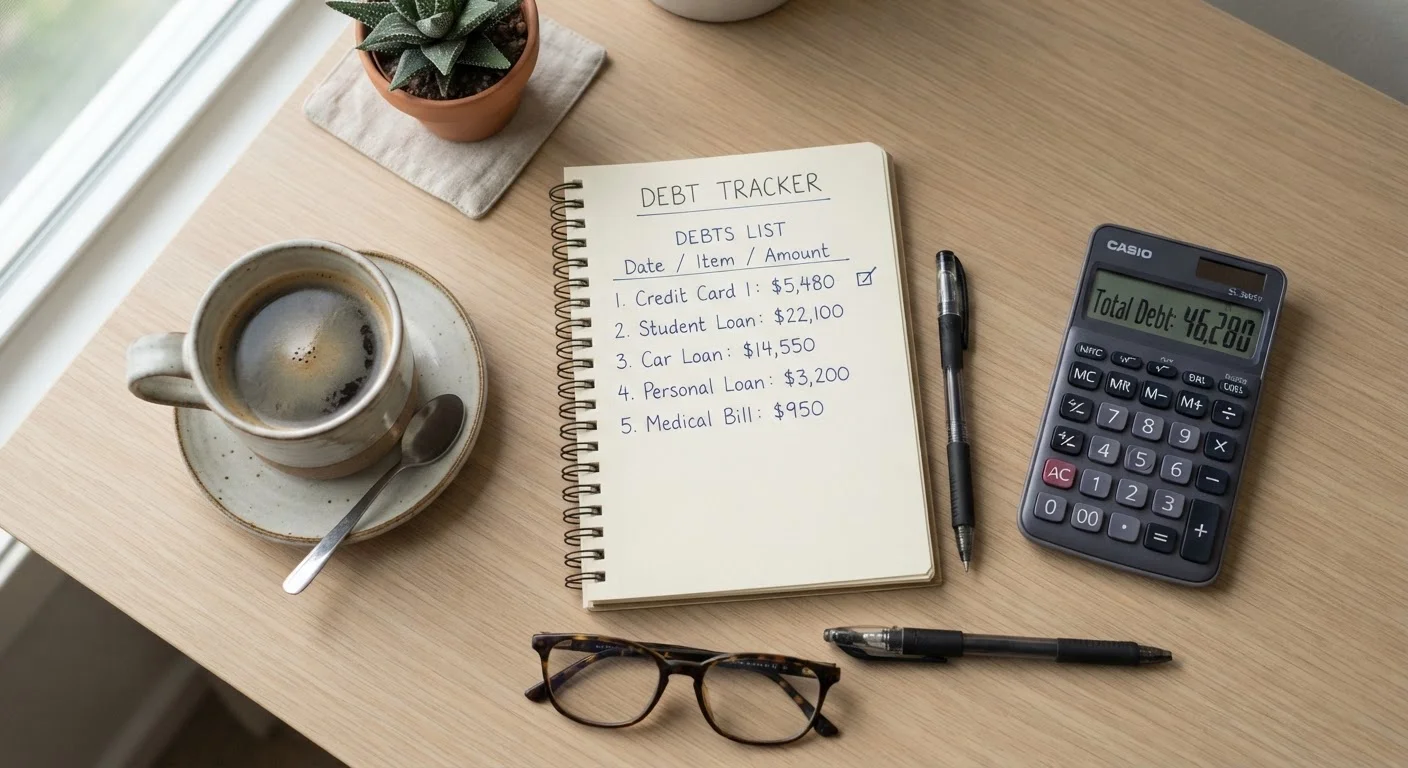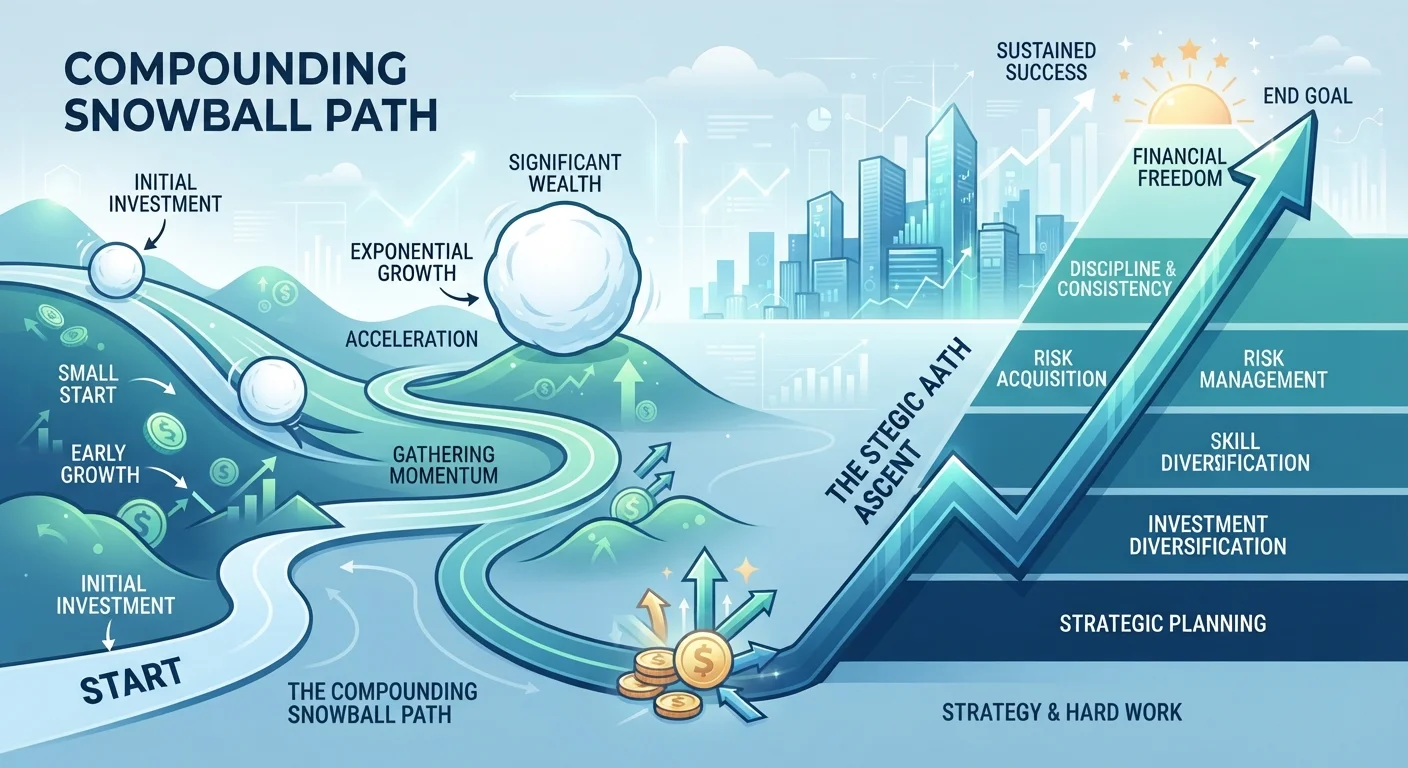

When Fixing Debt Makes It Worse
Wanting to get out of debt is the right instinct. Acting on that instinct without a clear strategy, though, can leave you further behind than when you started. The moves that feel decisive in the moment — throwing money at a balance, shuffling debt to a new card, tapping savings — can quietly work against you if the mechanics aren't understood first.
This isn't about blame. Debt is stressful, and stress pushes people toward fast action over careful planning. But understanding the most common self-defeating patterns is one of the most useful things you can do before making any big financial move. For a grounded starting point, see Taking Charge of Debt: A Complete Roadmap for Beginners.
Only ever paying the minimum
It feels like progress because you're making a payment every month. But minimum payments are largely designed to cover interest charges, leaving the principal balance barely touched. On a significant credit card balance at a typical interest rate, paying only the minimum can extend repayment by a decade or more — and you may end up paying more in interest than the original debt. Why Minimum Payments Are a Debt Trap — and How the Maths Works walks through exactly how compounding works against you here.
Minimum payments mostly cover interest — the principal balance barely moves month to month.
Misusing balance transfer cards
A balance transfer to a 0% promotional APR card can be a legitimate tool — but it comes with conditions that trip people up. Transfer fees (commonly 3–5% of the balance) add to what you owe immediately. More critically, if the full balance isn't cleared before the promotional period ends, the remaining amount is often subject to a high standard interest rate applied retroactively or going forward. Many people transfer the balance, feel relieved, and slow their payments — only to face a large balance when the clock runs out. Debt Consolidation: What It Actually Does (and Doesn't Do) covers this dynamic in more detail.
If the balance isn't cleared before the promotional period ends, the relief can be short-lived.
Raiding the emergency fund
Wiping out high-interest debt with emergency savings sounds logical on paper — you're eliminating a guaranteed cost. The problem is what happens next. Without a cash buffer, the first unexpected expense (a car repair, a medical bill, a job disruption) goes straight onto a credit card, often at a high rate. You've essentially replaced one debt with another, potentially at worse terms, and now have no cushion. A modest emergency fund — even a few hundred dollars — meaningfully reduces the likelihood of cycling back into debt. Keeping both goals in view, rather than sacrificing one for the other, tends to produce better long-term outcomes.
Without any cash buffer, the next unexpected expense often lands on a credit card.
Closing credit cards after paying them off
It's intuitive: pay off a card, close it, feel clean. But your credit score is partly determined by your credit utilization ratio — how much of your available revolving credit you're using. Closing a card reduces your total available credit, which can push that ratio higher and pull your score down. This matters most if you're planning to apply for a mortgage, auto loan, or other credit soon. The age of your accounts is also a factor in scoring models; closing an older card can shorten your average account age. Credit Myths That Cost People Real Money explores this and similar counterintuitive scoring mechanics.
Closing a paid-off card reduces available credit and can push your utilization ratio higher.
Consolidating without changing the underlying habits
Debt consolidation can simplify payments and potentially reduce the interest rate — but it doesn't address why the debt accumulated. If spending patterns remain unchanged after consolidating, it's common for people to run the original accounts back up while also repaying the consolidation loan. The result is more total debt than before. Consolidation works best as part of a broader plan that includes a realistic budget and a clear-eyed look at where money is going. Budgeting Basics offers straightforward approaches to tracking spending without overcomplicating it.
Consolidation without changed habits often results in owing more, not less, within a year or two.
Ignoring the interest rate order
When managing multiple debts, people often pay extra toward the smallest balance because it feels achievable — and that motivation is real and valid. But from a pure cost standpoint, carrying a high-interest balance while making minimum payments on it to eliminate a lower-rate debt costs more money over time. Neither approach is universally wrong; the right one depends on your psychology and financial situation. The key is making the choice deliberately, with awareness of the trade-off, rather than defaulting to whichever balance feels most irritating. Principles That Keep Debt Under Control Over the Long Term covers the decision-making frameworks that help here.
Paying off a low-rate balance first while a high-rate debt compounds costs real money over time.
Build a Plan That Doesn't Undermine Itself
Each mistake above shares a common thread: a tactic applied without accounting for how debt actually behaves over time. Interest compounds, credit scores respond to specific inputs, and emergencies don't wait for convenient moments. Understanding these dynamics is what separates a debt strategy that works from one that spins in place.
Small changes in payment timing add up
Even modest increases above the minimum payment can meaningfully shorten repayment timelines and reduce total interest paid. Before making any large structural move — consolidating, transferring, or tapping savings — consider whether incrementally higher regular payments might achieve a similar outcome with less risk. Running the numbers on a free online amortization calculator can make the difference concrete.
If you're weighing whether to consolidate, pay off high-interest balances first, or take another approach, Debt Avalanche vs Debt Snowball: Two Payoff Strategies Compared lays out two proven frameworks side by side. And for the bigger picture on managing both credit and debt together, Managing Debt and Credit: The Complete Picture is worth bookmarking.
This article is for general informational purposes only and does not constitute personalised financial or legal advice. Consider consulting a qualified financial professional for guidance specific to your situation.