Why Watering Myths Persist
Watering seems simple: plants need water, so give them water. But that intuitive logic is exactly where many gardeners go wrong. Decades of passed-down advice, well-meaning packaging directions, and oversimplified rules have created a body of watering mythology that quietly damages roots, wastes water, and leaves gardeners frustrated when plants underperform.
The good news is that once you understand what plants actually need-moisture delivered where roots live, in amounts that match the plant's stage and the soil's capacity-smart watering becomes straightforward. The myth-busting below addresses the most common misconceptions, grounded in established horticultural principles.
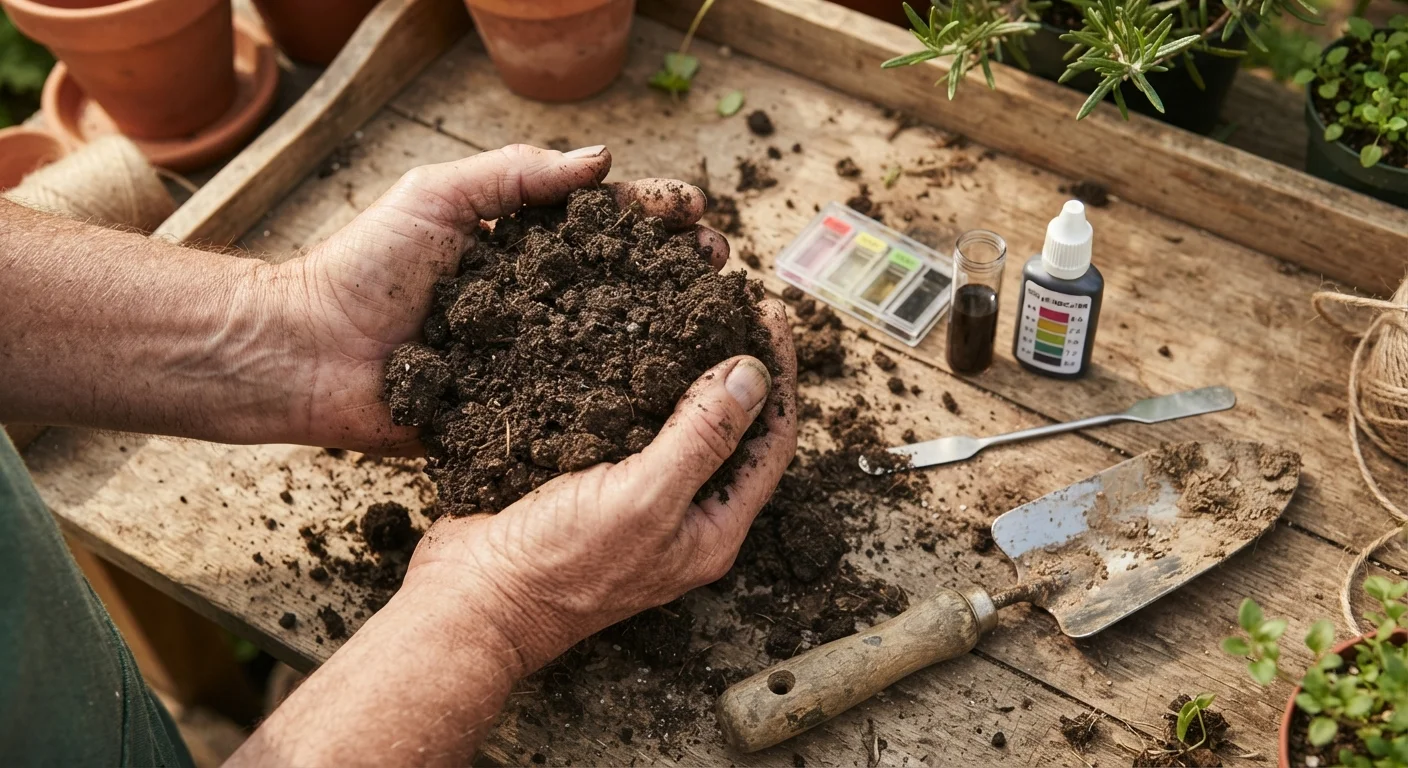
For context on why soil structure matters so much to watering outcomes, see our primer on soil health.
Myth
Plants need to be watered every day to stay healthy.
Fact
Most established plants thrive with deep, infrequent watering rather than daily shallow doses.
Frequent shallow watering keeps moisture near the soil surface, which is where roots will concentrate if that's where the water is. Shallow-rooted plants are more vulnerable to heat, drought, and competition. Watering deeply-but less often-pushes moisture further into the soil profile and encourages roots to follow, creating a more resilient plant. The right interval depends on your soil type, climate, and plant species, not a fixed daily rule.
Myth
Wet leaves cause fungal disease, so you should never water from above.
Fact
Leaf wetness duration and air circulation matter far more than the act of overhead watering itself.
Foliar diseases typically require leaves to remain wet for extended periods-often several hours-in conditions with poor airflow. Watering early in the morning, so foliage dries as temperatures rise, substantially reduces that risk. Overhead watering that dries quickly in good conditions is generally not a significant disease driver. That said, drip or soaker irrigation is still preferable for water efficiency and for plants known to be disease-prone.
Myth
If a plant is wilting, it definitely needs water immediately.
Fact
Wilting can be a sign of overwatering, underwatering, heat stress, or root damage-check the soil first.
Overwatered roots can become oxygen-deprived and begin to rot, losing their ability to take up water. A plant with damaged roots may wilt even in wet soil because those roots can no longer function. Adding more water to an already soggy root zone accelerates the damage. Before reaching for the hose, probe the soil a couple of inches down. Wet or waterlogged soil alongside a wilting plant signals a drainage or overwatering problem, not drought.
Myth
Watering in the heat of the day burns plant leaves.
Fact
Water droplets on leaves do not act as magnifying lenses and do not cause sunscorch under normal conditions.
This long-held belief has been examined in horticultural research, and the evidence does not support the idea that water droplets burn foliage in outdoor conditions. The real objection to midday watering is efficiency: water evaporates rapidly from soil and foliage in peak heat, so much of what you apply is wasted before roots can use it. Morning watering remains the recommended window for that practical reason-not because of a burning risk.
Myth
More water always means better, faster plant growth.
Fact
Excess water deprives roots of oxygen and is one of the most common causes of preventable plant death.
Plant roots need both water and air. Soil that is saturated for extended periods pushes oxygen out of pore spaces, essentially suffocating roots. Overwatering stresses plants, makes them more susceptible to disease, and can cause yellowing leaves, soft stems, and eventual root rot. Matching water volume to a plant's actual uptake rate-which depends on size, growth stage, temperature, and humidity-is more important than volume alone.
Myth
A regular schedule is the most reliable way to water correctly.
Fact
Soil moisture and plant signals are more accurate guides than any fixed calendar interval.
A schedule that works in a cool, cloudy week will overwater in a hot, windy one-and vice versa. Seasonal shifts, rainfall, plant maturity, and even the position of your garden relative to shade all affect how quickly soil dries. Experienced gardeners calibrate watering to observed conditions: the finger-test, visible plant posture, and soil color at the surface. Using a schedule as a rough starting point is fine, but it should flex with actual conditions rather than run on autopilot.
Building a Smarter Watering Habit
Correcting your approach doesn't require expensive equipment. The most important tool is your finger: push it two inches into the soil. If it comes out dry, most plants are ready for water. If it feels damp, wait. This simple check takes seconds and eliminates guesswork far better than a rigid schedule.
~50%
Outdoor residential water used for irrigation
The U.S. Environmental Protection Agency estimates that roughly half of residential outdoor water use goes to landscape irrigation, a significant portion of which is applied inefficiently.
2-3×
More water needed by shallow-rooted plants in heat
Horticultural extension guidance consistently notes that plants conditioned to shallow watering may require irrigation two to three times more frequently during hot spells than deep-rooted counterparts.
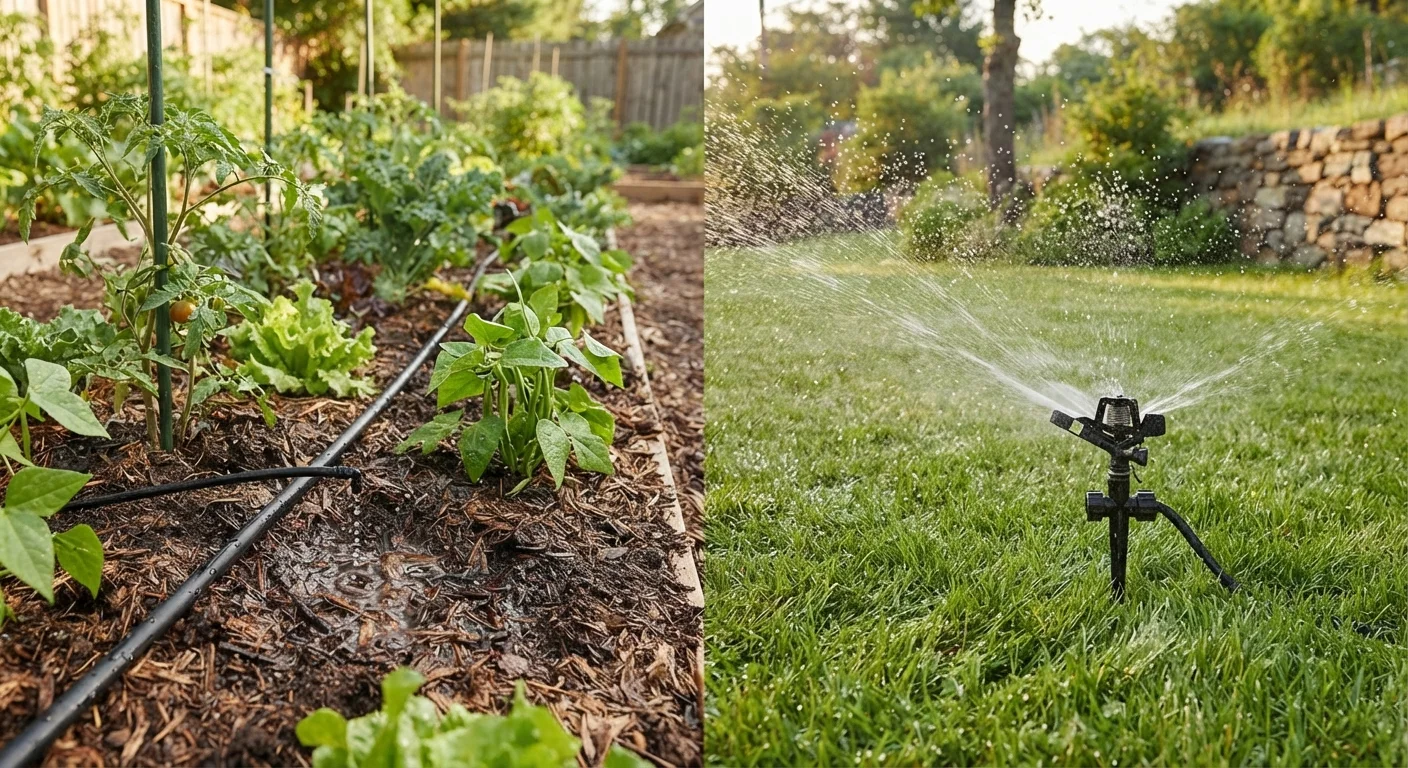
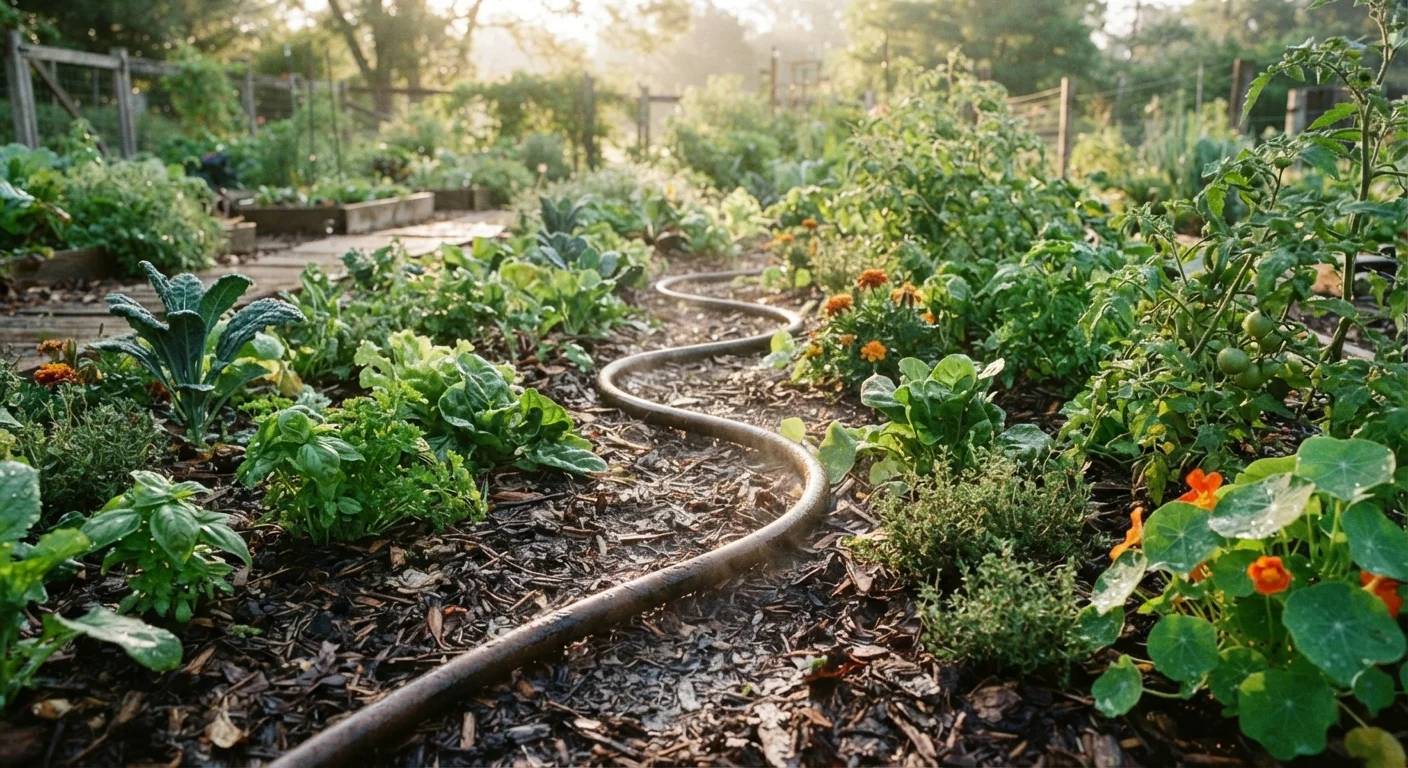
When you do water, aim for the root zone rather than the foliage. Drip irrigation and soaker hoses are especially effective at delivering moisture directly to the soil with minimal evaporation. If you're weighing system options, our comparison of drip irrigation vs. sprinkler systems walks through efficiency, cost, and setup considerations.
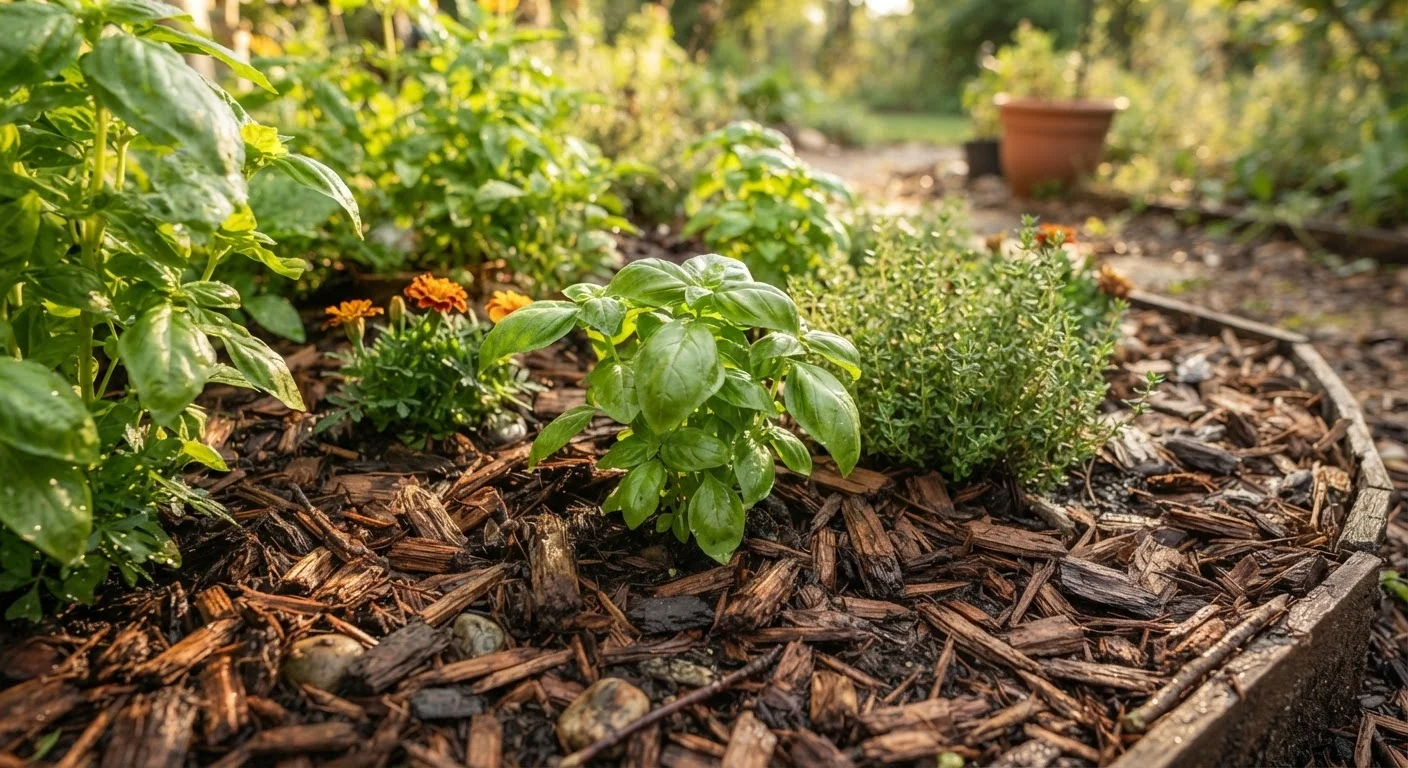
Pairing smarter watering with a good mulch layer amplifies results. A 2-3 inch layer of organic mulch slows evaporation, moderates soil temperature, and reduces how often you need to water at all. Our article on mulching garden beds effectively covers materials and depth for different situations.
Overwatering Is Harder to Recover From Than Drought
While underwatered plants often recover quickly once moisture is restored, root rot caused by prolonged overwatering can be irreversible. If you suspect waterlogged soil, allow it to dry before resuming irrigation and examine roots for soft, discolored tissue. Improving drainage-through soil amendment or raised planting-may be necessary for chronic problem areas.
Developing a consistent, evidence-based watering habit takes a season or two to feel natural, but plants typically respond visibly-stronger stems, deeper color, and better drought recovery-when given water on their terms rather than ours.