Two Different Jobs, One Goal
Vehicle safety engineering is built around a simple but important distinction: systems that prevent crashes and systems that protect people when crashes occur. Active safety handles the former; passive safety handles the latter. Both are present in virtually every new car sold in the US today, and both are independently evaluated by organizations such as the National Highway Traffic Safety Administration (NHTSA) and the Insurance Institute for Highway Safety (IIHS).
Thinking of them as two defensive layers is useful. The first layer - active safety - tries to keep you out of trouble. The second layer - passive safety - minimizes the damage if you end up in trouble anyway. Understanding what each layer does, and what it can't do, makes you a more informed driver and a smarter vehicle evaluator.
For a broader look at habits that complement these technologies, see our guide on defensive driving principles.
Active Safety: Preventing the Crash
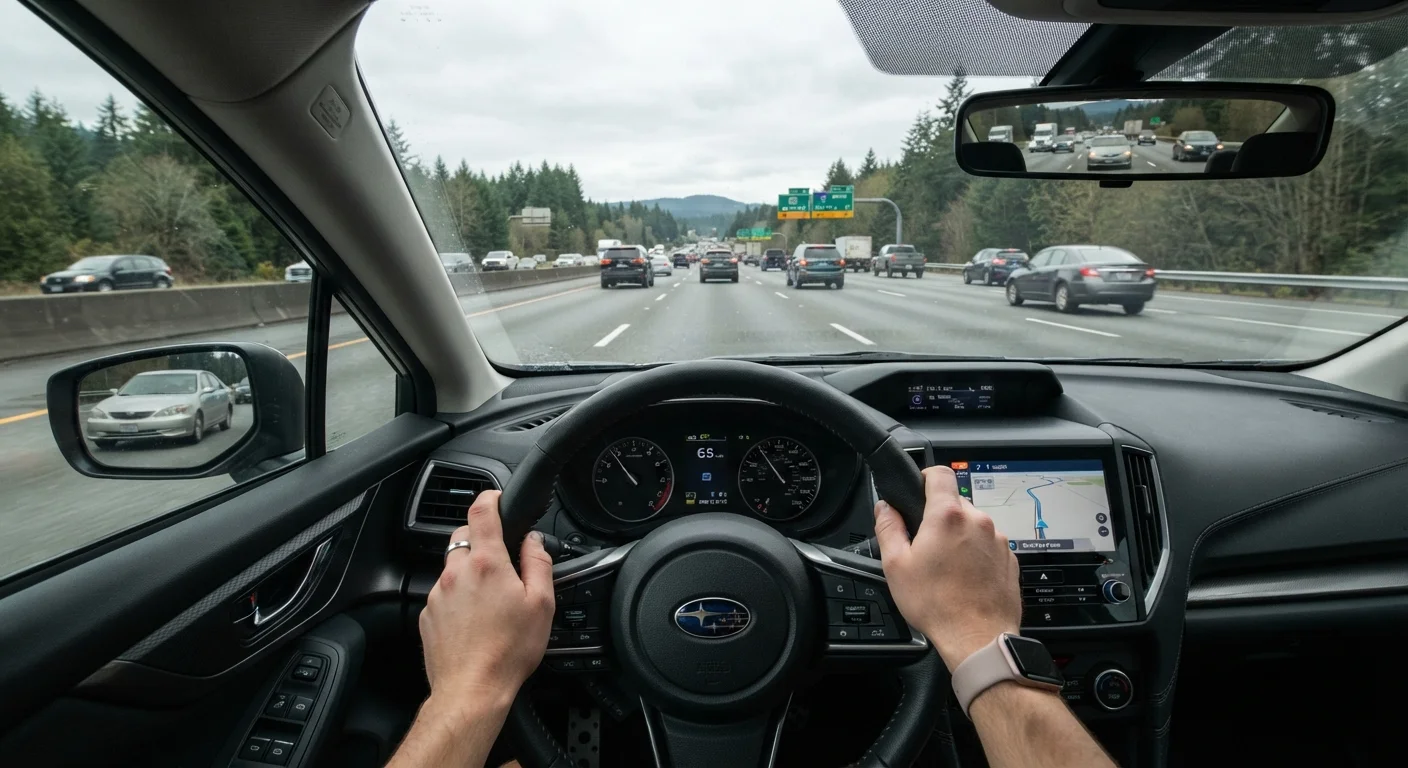
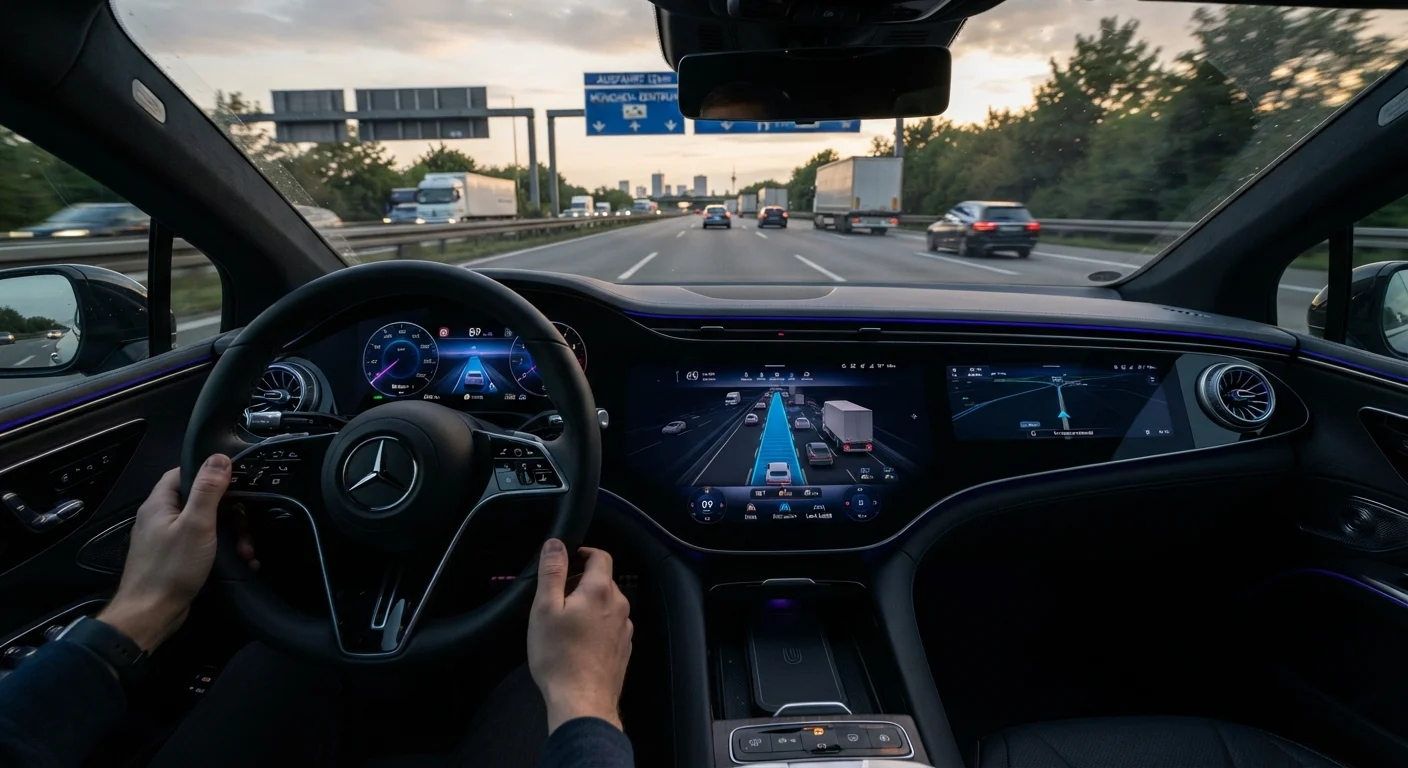
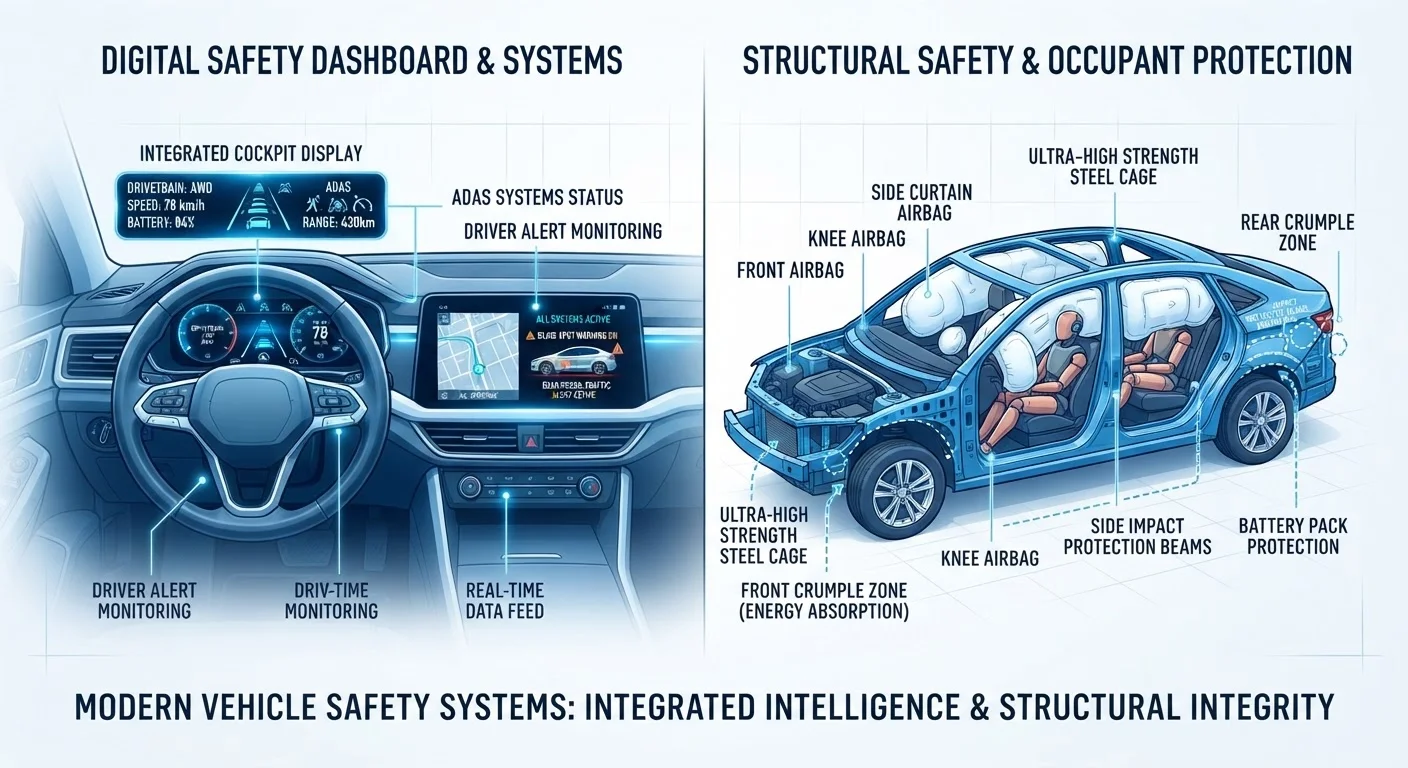
Active safety systems monitor vehicle dynamics, the road environment, and driver inputs in real time. When conditions suggest a loss of control or imminent collision, these systems intervene - automatically or by alerting the driver.
Key active safety technologies include:
- Anti-lock Braking System (ABS): Prevents wheel lock-up during hard braking, allowing the driver to maintain steering control.
- Electronic Stability Control (ESC): Detects and corrects skidding or oversteer by applying selective braking to individual wheels. ESC has been federally mandated on all new US passenger vehicles since 2012.
- Automatic Emergency Braking (AEB): Uses radar or cameras to detect an imminent collision and applies brakes if the driver doesn't respond in time.
- Lane-Keeping Assist (LKA): Alerts drivers when drifting out of lane markings, and in some implementations gently steers back.
- Blind-Spot Monitoring: Warns drivers of vehicles in adjacent lanes that may not be visible in mirrors.
| Criterion | Active Safety | Passive Safety |
|---|---|---|
| Primary purpose | Prevent crashes from occurring | Protect occupants during a crash |
| When it operates | Before and during potential collision | At moment of impact and after |
| Driver input required | Mostly automatic, some alert-based | No driver input required |
| Key examples | ABS, ESC, AEB, lane-keeping assist | Airbags, seatbelts, crumple zones |
| Federal mandates (US) | ESC required since 2012; AEB expanding | Seatbelts and airbags long mandated |
| Evaluated by IIHS/NHTSA | Yes - Vehicle Safety Assist scores | Yes - crash structure & restraint tests |
| Effectiveness limit | Sensor/weather/speed limitations | Depends on crash severity and geometry |
These systems are only as effective as the sensors and software behind them - they can be limited by poor weather, dirty cameras, or degraded sensors. Our primer on adaptive cruise control and autonomous emergency braking explains their specific capabilities and limitations in detail.
Passive Safety: Protecting Occupants in a Crash
When a crash occurs despite every prevention system, passive safety takes over. These are the structural and restraint features built into the vehicle that don't require driver input - they activate automatically or simply exist by design.
Core passive safety elements include:
- Seatbelts with pretensioners: Seatbelts remain the most effective single safety device in a vehicle. Modern versions include pretensioners that tighten the belt at the moment of impact.
- Airbags: Frontal, side, curtain, and knee airbags deploy within milliseconds of a significant impact, cushioning occupants from hard interior surfaces.
- Crumple zones: Engineered sections of the vehicle's front and rear that deform progressively during a crash, absorbing energy before it reaches the occupant compartment.
- Reinforced safety cell: The rigid passenger cabin structure that resists deformation even as the surrounding body absorbs impact forces.
- Head restraints: Properly positioned head restraints reduce the risk of whiplash in rear-end collisions.
~10,000
Lives saved annually by seatbelts in the US
According to NHTSA data, seatbelts consistently prevent tens of thousands of fatalities each year, making them the most effective passive safety device.
~27%
Reduction in rear-end crashes with AEB
IIHS research has found that automatic emergency braking systems can reduce rear-end collisions by roughly 27% compared to vehicles without the technology.
2012
Year ESC became mandatory on all new US cars
The NHTSA mandated electronic stability control on all new passenger vehicles from model year 2012 onward, marking a major active safety milestone.
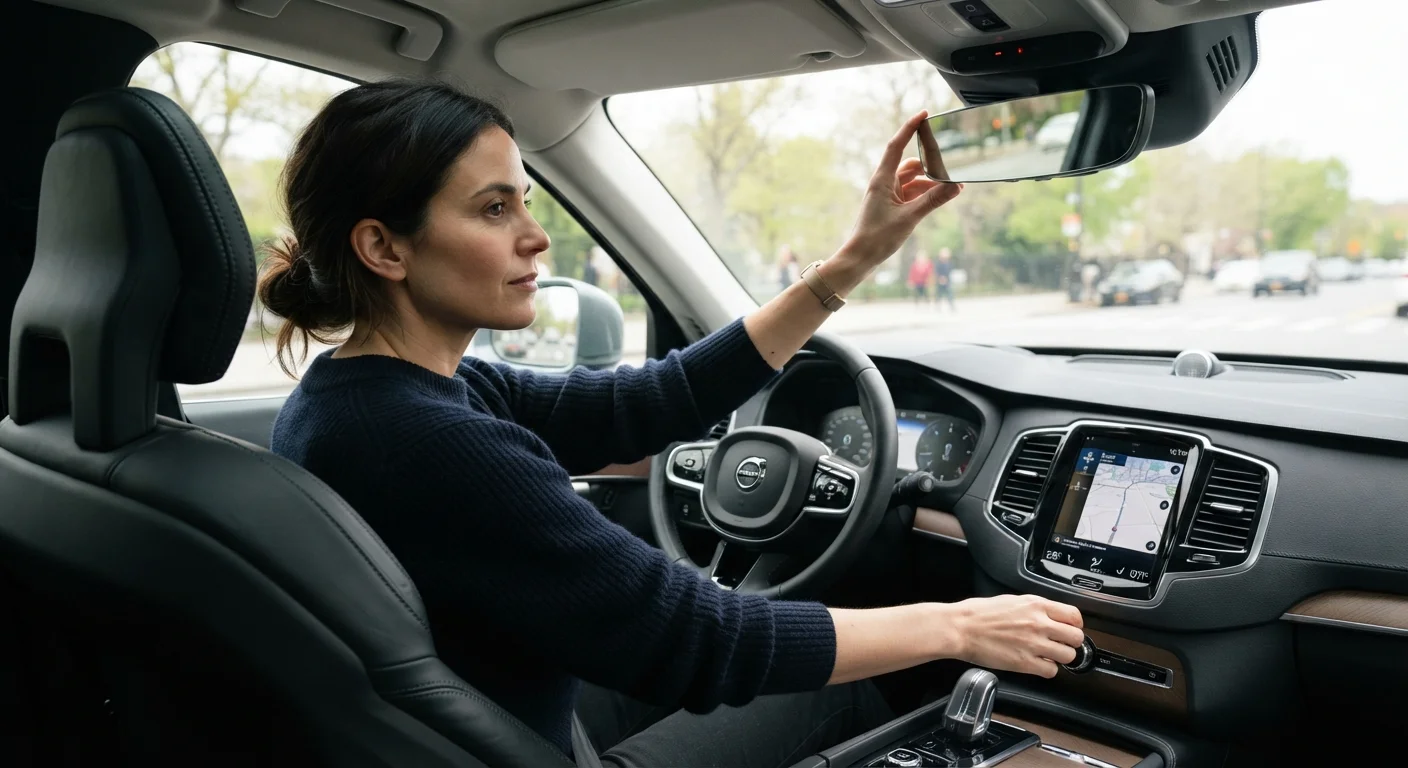
Passive systems require no action from the driver, but they work best when basics are in place - correct seat positioning, seatbelt use, and properly functioning airbag systems. Our article on seat position and driving posture covers the foundational habits that let passive systems work as designed.
How the Two Systems Work Together
Active and passive safety are not competing priorities - they're complementary. A vehicle with excellent crash-test scores but no automatic emergency braking is missing a meaningful layer of protection. Likewise, a vehicle loaded with active technology but poor structural integrity provides inadequate coverage if a collision occurs.
This is why crash-testing programs have evolved. IIHS ratings now include a dedicated active safety score (called the "Vehicle Safety Assist" evaluation), assessed alongside traditional crash structure tests. NHTSA's 5-Star Safety Ratings similarly incorporate both dimensions. When buying a car, reviewing scores from both rating categories gives you a more complete picture than relying on either alone.
Safety Ratings Vary by Test Version
IIHS and NHTSA use different testing methodologies, and a vehicle's score on one program doesn't automatically predict its score on the other. Both organizations update their test criteria periodically to reflect real-world crash patterns. When comparing vehicles, check ratings from both sources and note the model year of the test, since older ratings may not reflect a current vehicle's updated safety systems.
Routine car maintenance also plays a role in keeping both systems functional. ABS sensors, camera lenses for AEB, and airbag systems all require attention over a vehicle's lifetime - some checks are owner-accessible, others require professional inspection. For guidance on what's reasonable to handle yourself, see our comparison of DIY maintenance vs. tasks for a mechanic.