Decoding the Size Code
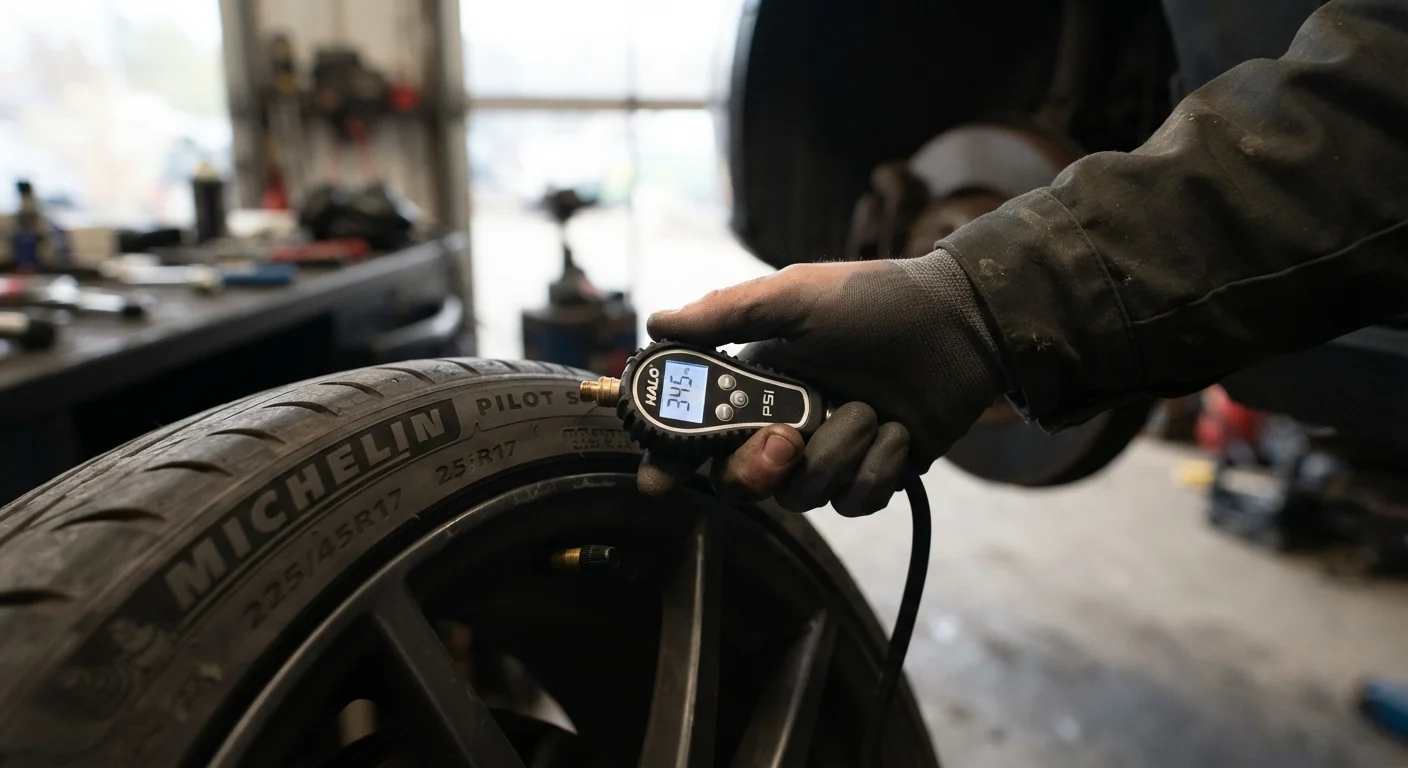
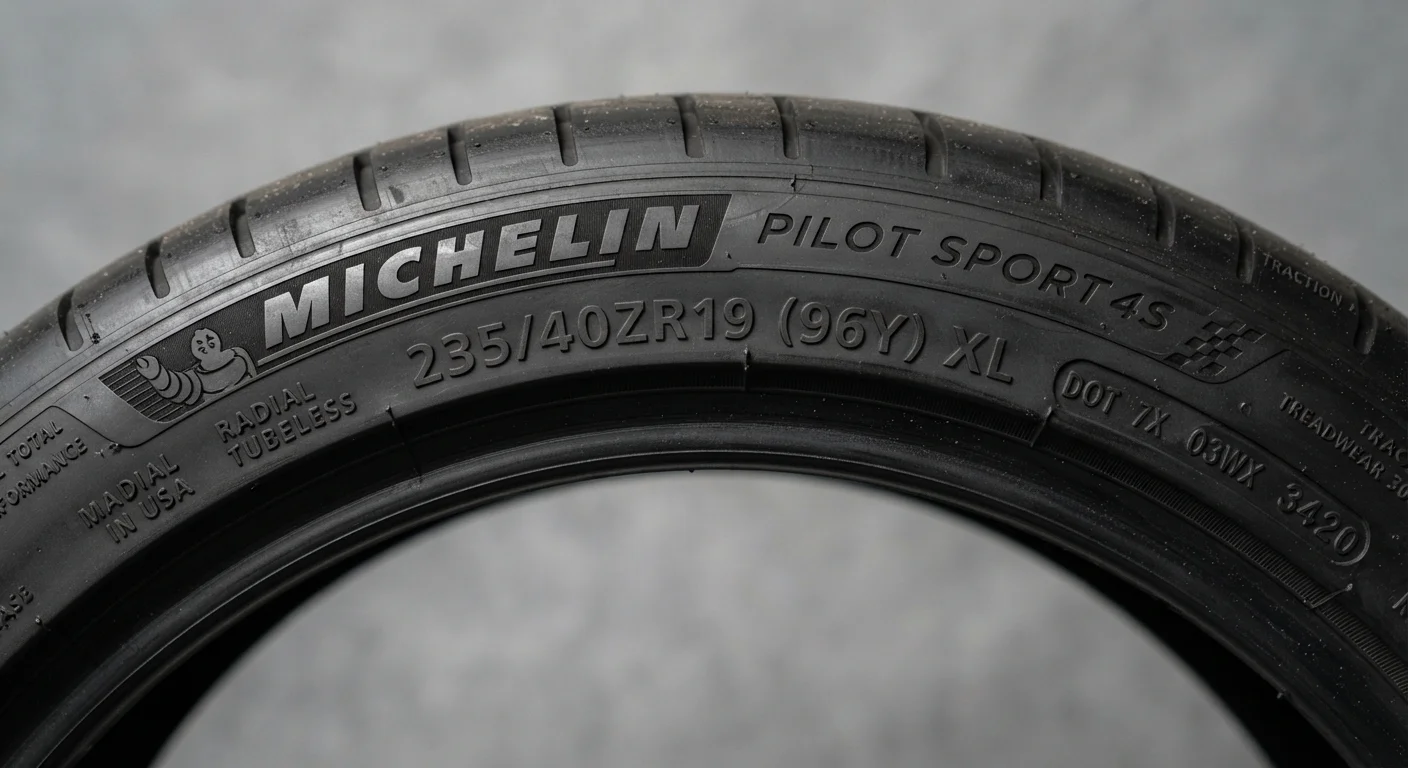
The most prominent marking on any tyre sidewall is the size code - a string like 225/55R17. Each segment communicates something specific:
- 225 - Section width in millimetres, measured from sidewall to sidewall when the tyre is mounted and inflated.
- 55 - Aspect ratio. This is the sidewall height expressed as a percentage of the section width. A ratio of 55 means the sidewall height is 55% of 225 mm. Lower numbers indicate a shorter, stiffer sidewall typical of performance tyres.
- R - Construction type. R stands for radial, which is the standard construction for virtually all passenger tyres sold in the US today.
- 17 - Rim diameter in inches. This must match the wheel on your vehicle exactly.
Before the width figure you may also see a prefix: P (Passenger), LT (Light Truck), or ST (Special Trailer). These prefixes affect how the load rating is interpreted, so don't ignore them when shopping for replacements.
For complementary maintenance context, see our guide on tyre rotation, balancing, and alignment.
Load Index and Speed Rating
Immediately after the size code you'll find two more identifiers - for example, 91H.
Load index is a numerical code (typically ranging from 70 to 126 for passenger vehicles) that corresponds to the maximum weight each tyre can support at its rated inflation pressure. A load index of 91 translates to approximately 1,356 lbs per tyre. These values are standardised across the industry and published in load index tables; your vehicle's door-jamb sticker specifies the minimum load index your car requires.
Speed rating is the letter that follows - in this case H. Common ratings you'll encounter include:
- S - up to 112 mph
- T - up to 118 mph
- H - up to 130 mph
- V - up to 149 mph
- W - up to 168 mph
Always match or exceed your vehicle manufacturer's minimum speed rating. A tyre with a lower rating than specified is not designed to dissipate heat adequately at sustained higher speeds.
6-10 yrs
Recommended tyre replacement window by age
Most tyre manufacturers and safety organisations advise inspection after six years and replacement by ten years, regardless of remaining tread depth.
2/32"
Legal minimum tread depth in most US states
While 2/32 inch is the statutory minimum, many safety experts recommend replacement at 4/32 inch for adequate wet-weather braking performance.
11%
Tyre-related crashes among all vehicle crashes
According to NHTSA research, tyre problems - including under-inflation and worn tread - are a contributing factor in a meaningful share of highway crashes annually.
The DOT Code and Tyre Age
Somewhere on the sidewall - often on the inner face - you'll find a string beginning with DOT followed by a series of letters and numbers. The final four digits are the most critical: they encode the tyre's date of manufacture.
For example, a DOT code ending in 1822 means the tyre was made in the 18th week of 2022. This matters because rubber degrades over time even if the tread looks intact. Exposure to heat, UV light, and ozone causes the rubber compound to harden and crack internally before any visible damage appears.
Check Both Sides of the Sidewall
The DOT date code is often moulded on the inner-facing sidewall of the tyre, not the outward-facing side. If you can't find the four-digit date suffix on the visible face, you may need to crouch down and look at the side facing the vehicle's interior. A flashlight makes this much easier.
When buying used vehicles or second-hand tyres, always check the DOT date code. A tyre sitting in a garage for several years may look pristine but be compromised. You can cross-reference your vehicle's overall condition with a vehicle history report when purchasing a used car to get the full picture.
Also keep in mind that tyre pressure affects how quickly tyres wear and age in service - our guide on checking tyre pressure correctly explains why the door-jamb sticker is your best reference.
Other Markings Worth Knowing
Beyond the core size and date information, tyres carry several additional markings that provide useful context:
- UTQG ratings
- The Uniform Tyre Quality Grading system, required for passenger tyres sold in the US, stamps three grades on the sidewall: Treadwear (a comparative index - higher means longer-lasting tread), Traction (AA, A, B, or C - braking grip on wet pavement), and Temperature (A, B, or C - resistance to heat build-up). These grades allow rough comparisons between tyre lines but are not a direct prediction of mileage life.
- M+S or Three-Peak Mountain Snowflake (3PMSF)
- M+S (Mud and Snow) indicates some all-season capability. The 3PMSF symbol - a snowflake inside a mountain outline - means the tyre has passed standardised testing for severe snow traction and indicates a genuine winter or all-weather tyre.
- Max Load and Max Pressure
- These figures show the absolute maximum load and inflation pressure the tyre structure can withstand - not your target inflation. Always inflate to the pressure on your vehicle's door-jamb sticker, not the tyre's maximum.
- Rotation arrows
- Directional tyres have an arrow indicating which way the tyre must rotate when mounted. Fitting a directional tyre backwards significantly reduces its wet-weather drainage performance.
If your dashboard illuminates a tyre pressure warning, our overview of car warning lights can help you decide how urgently to act.