The Color-Code System: Red, Amber, and Beyond
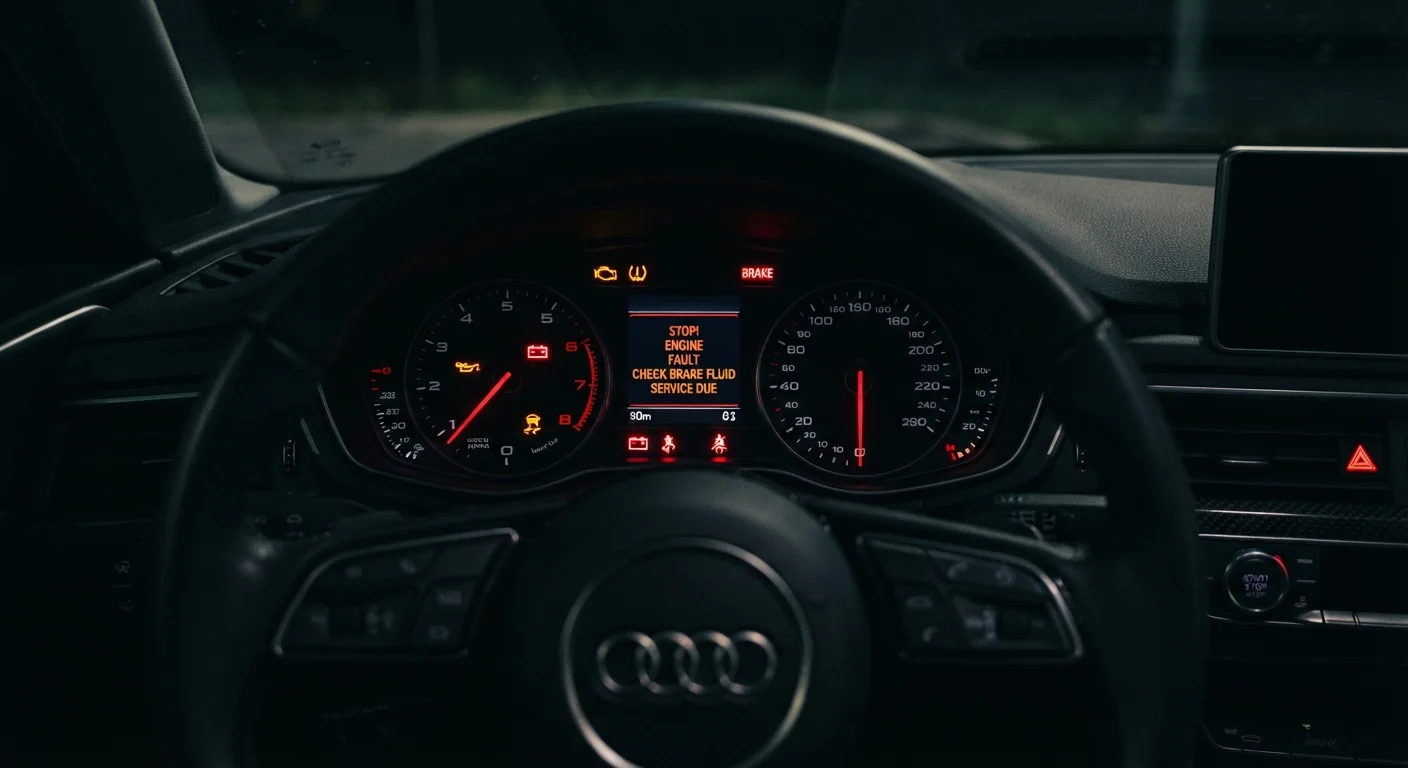
Before decoding individual symbols, understanding the color hierarchy saves critical seconds. Dashboard warning lights broadly follow a traffic-light logic established by international standard ISO 2575.
- Red: Requires immediate attention. Stop safely and do not continue driving until the cause is identified. Ignoring a red light risks serious engine damage, brake failure, or a safety hazard.
- Amber/Yellow: A caution flag. The vehicle can often continue to your destination, but you should schedule inspection soon - usually within days, not weeks.
- Green or Blue: Informational only. These confirm an active system, such as high beams or cruise control, rather than signaling a fault.
When in doubt, treat any unfamiliar light as red until confirmed otherwise. Consulting your owner's manual - or a qualified mechanic - is always the safest approach.
| TPMS mandate (US) | All new passenger vehicles since September 2007 model year (NHTSA FMVSS No. 138) |
| Check engine light colors | Amber = caution; flashing amber = severe misfire; red = stop now |
| Oil pressure safe range | Typically 25-65 PSI at operating temperature (General industry guideline; consult your owner's manual) |
| Warning light categories | Red (stop), Amber (caution), Green/Blue (information) (ISO 2575 dashboard symbol standard) |
| Battery voltage (normal) | 12.4-12.7 V at rest; ~14 V when engine running (Standard automotive electrical guideline) |
The Most Common Warning Lights Explained
Here is a plain-language reference for the dashboard symbols most US drivers encounter.
Check Engine (Malfunction Indicator Lamp)
This amber engine-shaped symbol is the most misunderstood light on the road. Steady amber means the onboard computer has logged a fault - anything from a loose fuel cap to an oxygen sensor issue. Flashing amber indicates a severe engine misfire that can damage the catalytic converter; reduce speed and seek service promptly. An auto parts store or mechanic can read the stored fault code through the OBD-II port at little or no charge, identifying the specific cause.
Oil Pressure Warning
A red oil can symbol means engine oil pressure has dropped below the safe operating range. Do not continue driving - low oil pressure can destroy an engine within minutes. Pull over safely, shut off the engine, and check the oil level. If the level is normal and the light stays on, the pressure sensor or oil pump itself may be at fault; call for roadside assistance rather than driving further.
Battery / Charging System
A red battery symbol signals the charging system is not maintaining adequate voltage - often a failing alternator or a loose drive belt rather than the battery itself. The vehicle may continue running temporarily on battery reserve, but electrical systems will begin shutting down. Head to a shop promptly; do not turn the engine off if you can avoid it, as restarting may not be possible.
Tire Pressure (TPMS)
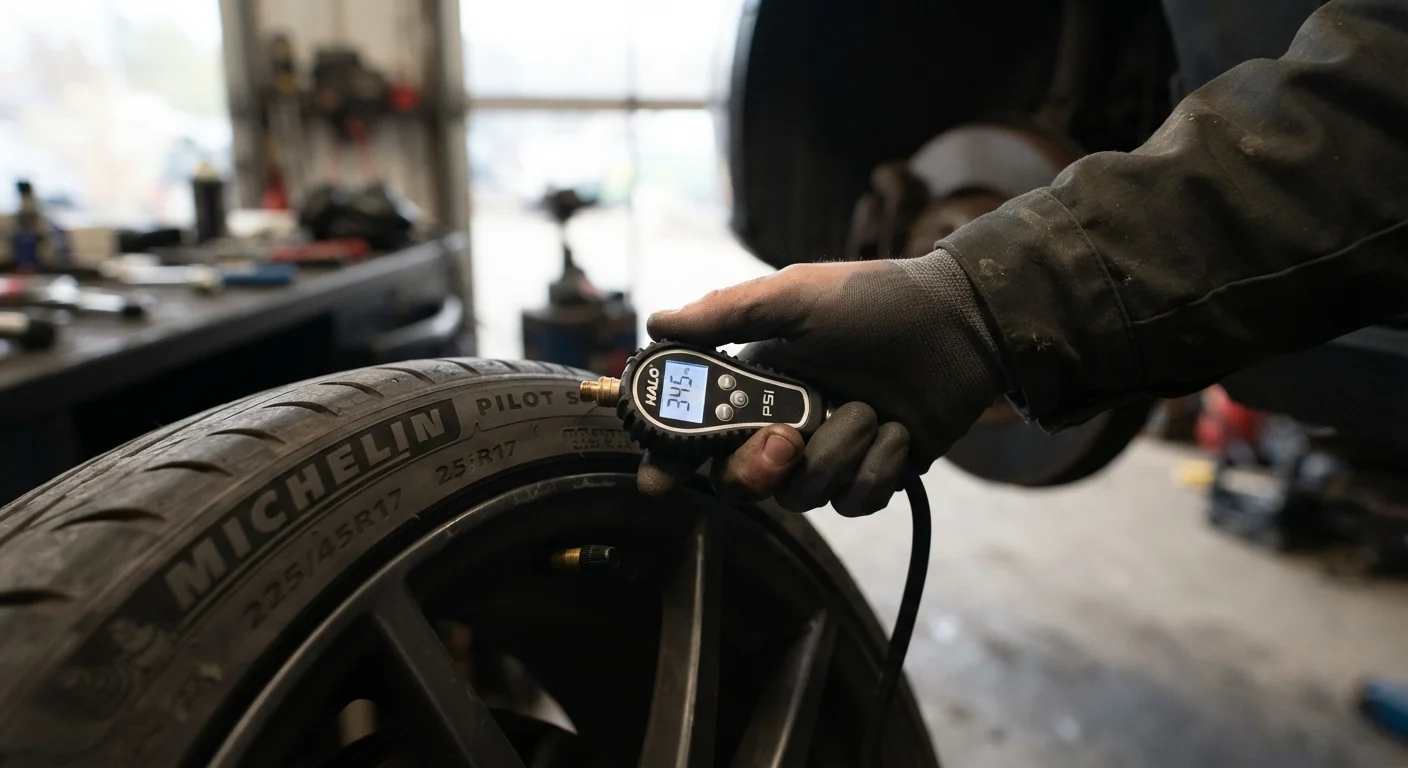
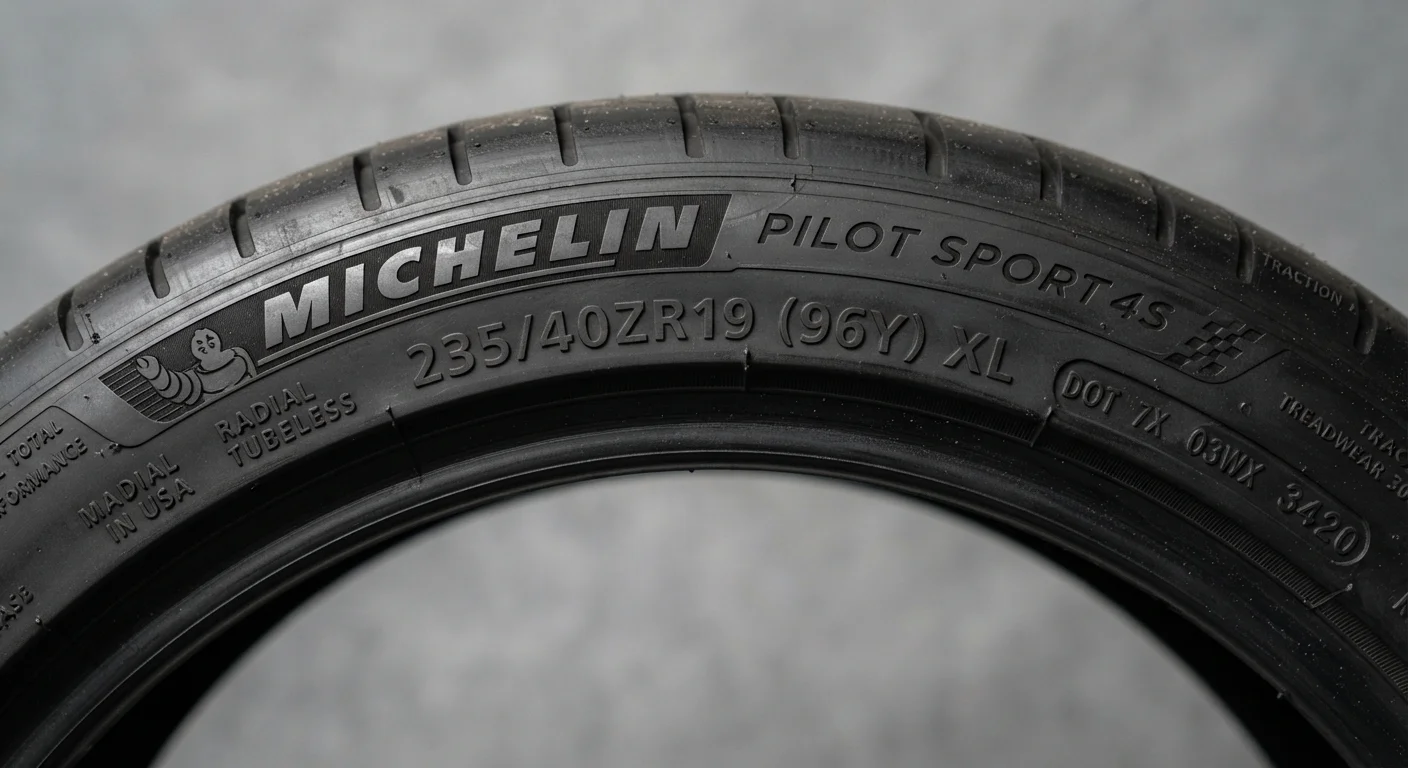
An amber symbol resembling a cross-section of a tire with an exclamation mark means one or more tires is significantly underinflated. Check pressure in all four tires - and the spare if your system monitors it - with a calibrated gauge. The correct target pressure is printed on the sticker inside the driver's door jamb, not on the tire sidewall itself. See our guide to checking tire pressure correctly for the full procedure. For more on what the markings on your tires mean, reading your tire sidewall is a useful companion reference.
Brake System Warning
A red circle with an exclamation mark - sometimes combined with the letter P - can mean the parking brake is engaged, the brake fluid level is low, or a hydraulic fault exists. If the parking brake is off and the light remains, check brake fluid immediately. A spongy pedal alongside this light is a serious safety warning; have the vehicle towed rather than driven.
Engine Temperature Warning
A red thermometer in liquid indicates the coolant temperature is dangerously high. Pull over, turn off the engine, and allow it to cool - do not open the radiator cap while the engine is hot. Continuing to drive an overheating engine can cause irreversible damage to cylinder heads and gaskets.
Your Owner's Manual Is the Authoritative Source
Warning light shapes and colors can vary between manufacturers. While ISO 2575 standardizes many symbols, some automakers use proprietary icons. Your vehicle's owner's manual contains the definitive legend for every light on your specific dashboard - keep a digital or printed copy accessible.
Airbag / Supplemental Restraint System (SRS)
An amber symbol showing a person in a seat with a circle in front indicates a fault in the airbag or seat-belt pretensioner system. The airbags may not deploy correctly in a collision. This is not an emergency requiring you to stop immediately, but it warrants prompt professional diagnosis since it directly affects crash protection.
Before a long journey, it's worth pairing this knowledge with our pre-trip vehicle safety checklist to catch issues before they become dashboard alerts.
When to Act Immediately vs. Schedule Service
Not every illuminated symbol demands you pull over right now. Use this practical framework:
- Stop immediately: Oil pressure (red), engine temperature (red), brake system fault with poor pedal feel, or any red light you cannot identify.
- Drive to a shop today: Battery/charging warning, flashing check engine light, or a red light that does not clear after a known correction (e.g., closing the fuel cap).
- Schedule within the week: Steady amber check engine light, TPMS alert after tires have been inflated to spec and light persists, airbag SRS warning.
A useful habit: after any light illuminates, cross-reference it in your owner's manual, note whether it is steady or flashing, and mention any recent changes in how the vehicle drives - sounds, smells, or handling differences. This context helps a mechanic diagnose the problem faster and more accurately.
OBD-II Port
A standardized diagnostic connector found in all US vehicles built after 1996. Mechanics and auto parts stores plug a scanner into this port to read the fault codes stored when your check engine light activates.
TPMS
Tire Pressure Monitoring System - a sensor-based system required on all US passenger vehicles since 2008 that triggers a dashboard light when one or more tires drops significantly below the recommended pressure.
Fault Code
A numbered code stored by your vehicle's onboard computer when a sensor detects an anomaly. Fault codes help mechanics pinpoint which system triggered the check engine light rather than guessing.
Amber / Yellow Warning
A caution-level dashboard indicator, typically orange or yellow, signaling that a system needs attention soon but does not require you to stop the vehicle immediately.
Red Warning
A high-priority dashboard indicator signaling a condition that could cause immediate damage or a safety risk if ignored. Pull over and investigate or call for assistance when a red light appears.
Malfunction Indicator Lamp (MIL)
The formal name for the check engine light - a federally mandated amber symbol that illuminates when the vehicle's emissions or engine management system detects a fault outside normal parameters.