Moisture Content: The Most Significant Structural Difference
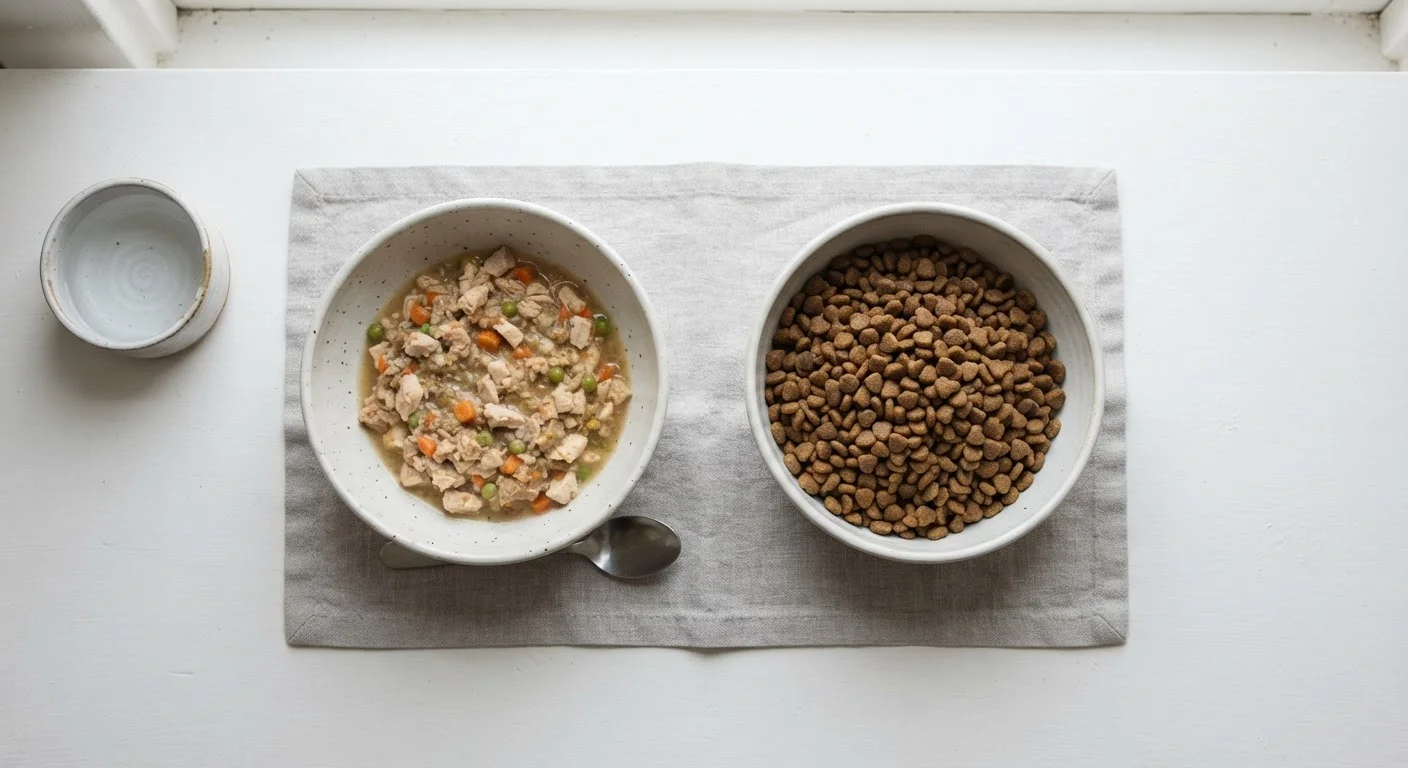
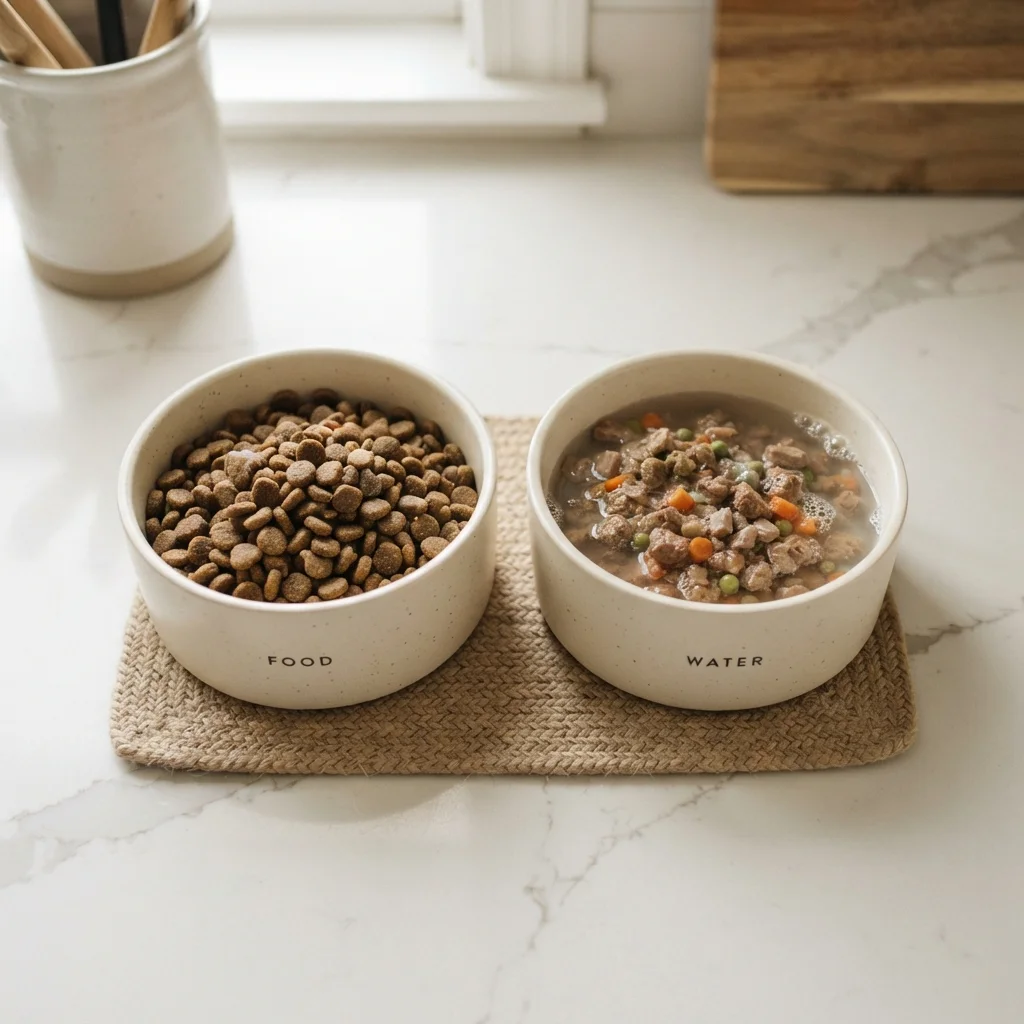
The gap in moisture content between dry kibble and wet food is large enough to affect multiple aspects of your pet's health. Wet food typically contains between 70% and 80% water by weight, while most dry kibble falls below 10–12%. This difference is not just a texture issue — it directly influences daily hydration, caloric density, and how the food is digested.
For cats especially, dietary moisture matters. Cats evolved as desert-adapted hunters who obtained most of their hydration from prey. Domestic cats offered only dry kibble often don't compensate by drinking enough water, which veterinary nutrition researchers associate with increased risk of lower urinary tract problems and kidney disease over time. Dogs are somewhat more flexible drinkers but can still benefit from the added hydration in wet food, particularly older dogs with reduced kidney function.
It's worth understanding how to compare these foods fairly. Because wet food is so water-heavy, a straight weight-for-weight comparison misrepresents the actual nutrient content. Nutritionists use a "dry matter basis" calculation — removing the water from the equation — to compare the actual protein, fat, and carbohydrate levels between formats. When you do this, many wet and dry foods are nutritionally closer than their labels suggest. See our factual comparison of wet and dry pet food for a deeper look at interpreting these numbers.
| Criterion | Dry Kibble | Wet Food |
|---|---|---|
| Moisture content | ~10% or less | 70–80% |
| Caloric density | High per ounce | Lower per ounce |
| Shelf life (unopened) | 12–24 months | 1–5 years (canned) |
| Storage after opening | Weeks in sealed container | Refrigerate, use within 3–5 days |
| Cost per calorie | Generally lower | Generally higher |
| Palatability | Varies; some pets resist | Often higher; stronger aroma |
| Dental benefit (standard) | Minimal unless VOHC-certified | No mechanical cleaning |
| Hydration support | Low | High |
Caloric Density, Portion Control, and Cost Efficiency
Because dry kibble has so little moisture, it packs more calories into a smaller volume. A cup of kibble typically delivers far more energy than an equivalent volume of wet food. This makes overfeeding easy to do accidentally — even small increases in portion size add up quickly on a calorie basis. Precision matters, and using a kitchen scale rather than volume-based scoops is generally recommended by veterinary nutritionists for both formats.
On cost, dry kibble is consistently more affordable per calorie across most product tiers. For households with multiple pets or large-breed dogs, this difference becomes significant over time. Wet food in cans or pouches costs more per calorie delivered, though this varies by brand and formulation. A practical middle ground that many owners use is feeding kibble as the primary diet and adding a small amount of wet food for palatability or hydration — though any dietary changes should be discussed with your veterinarian first.
70–80%
Moisture in typical wet pet food
Compared to under 12% in dry kibble — a difference that substantially affects a pet's daily water intake through food alone.
~4x
Rough cost-per-calorie difference
Wet food often delivers calories at significantly higher cost than dry kibble, though exact figures vary widely by product tier and formulation.
70%+
Cats over 3 with dental disease
Veterinary estimates suggest the majority of cats over three years old show some signs of periodontal disease, underscoring that food format alone does not prevent oral health issues.
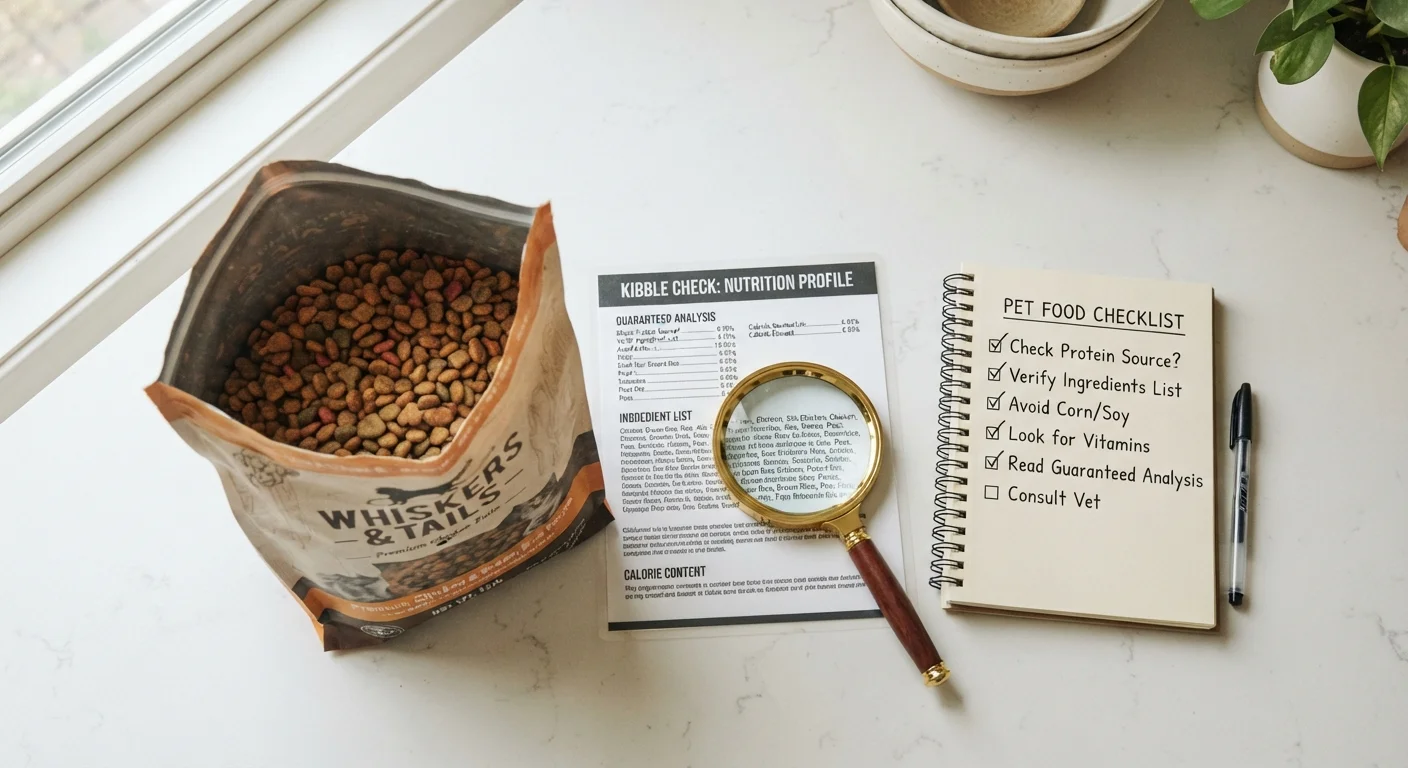
Before committing to any new diet or format, it's worth running through structured checks. Our practical checklist for evaluating a new pet food covers ingredient sourcing, feeding trial standards, and when to involve a veterinary nutritionist.
Dental Health: Clearing Up a Persistent Myth
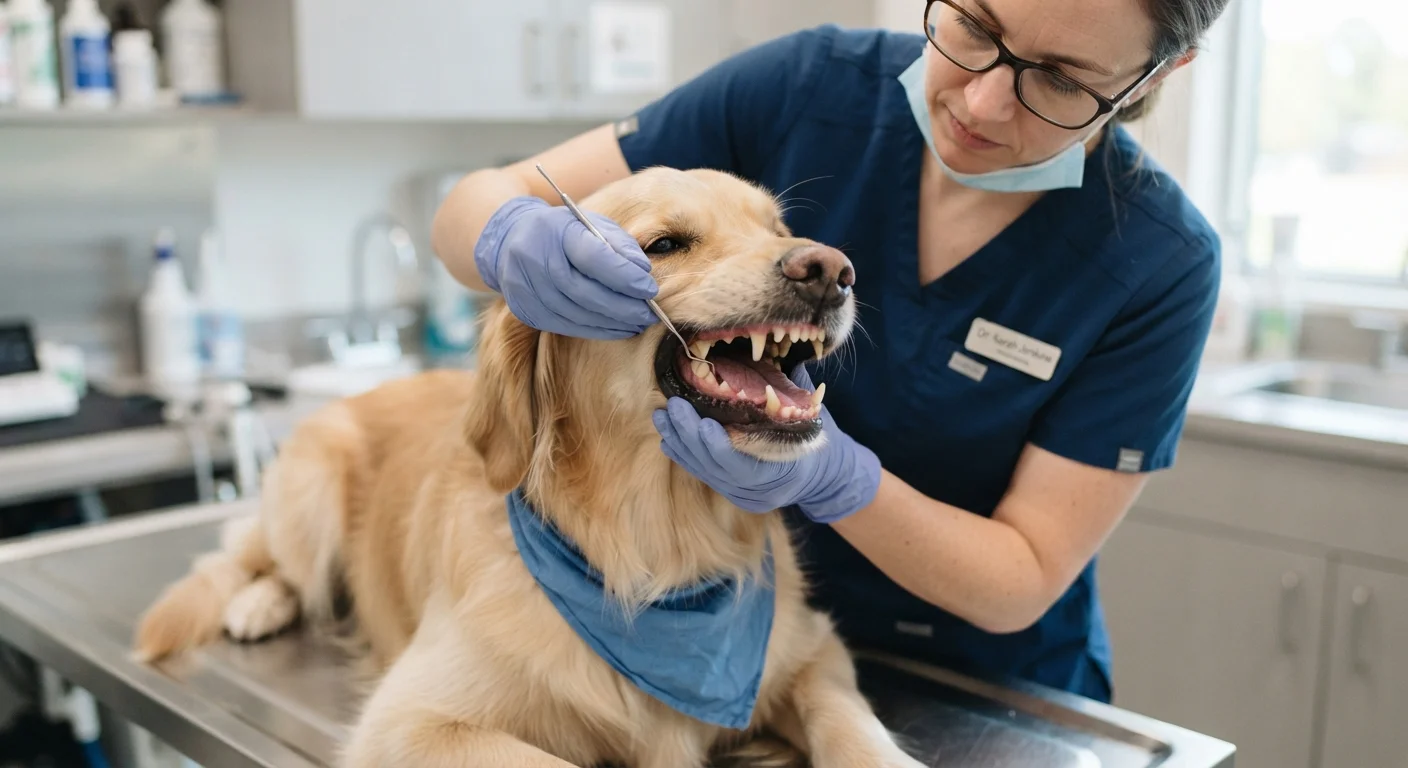
A frequently repeated claim is that dry kibble cleans pets' teeth by mechanically scraping away plaque. The reality is more nuanced. While some specially formulated dental kibbles — those carrying the Veterinary Oral Health Council (VOHC) seal — have demonstrated measurable plaque and tartar reduction in studies, standard kibble does not. Most pets bite through a piece of kibble in a single motion that provides minimal abrasion on tooth surfaces.
Wet food, on the other hand, does not provide any mechanical cleaning and may leave more residue along the gumline. However, this doesn't mean wet food causes dental disease — periodontal disease in dogs and cats is primarily driven by bacterial biofilm accumulation and genetic factors, not food format alone. The evidence supporting tooth brushing as the most effective at-home dental intervention is far stronger than that for any food type. For a thorough breakdown of what the dental science actually says, see common myths about pet dental health.
The takeaway: don't choose a food format based primarily on dental claims unless the product has VOHC certification. And regardless of what your pet eats, routine dental care — ideally including regular tooth brushing and professional veterinary dental cleanings — remains important for long-term oral health.
For a broader view of how diet quality compares across all formats, including the challenges of preparing meals at home, nutritional gaps in homemade pet diets is a useful companion read.
This article provides general educational information about pet nutrition and is not a substitute for personalized veterinary advice. Consult your veterinarian before making significant changes to your pet's diet, especially if your pet has an existing health condition.