
Why Inspection Reports Feel Overwhelming
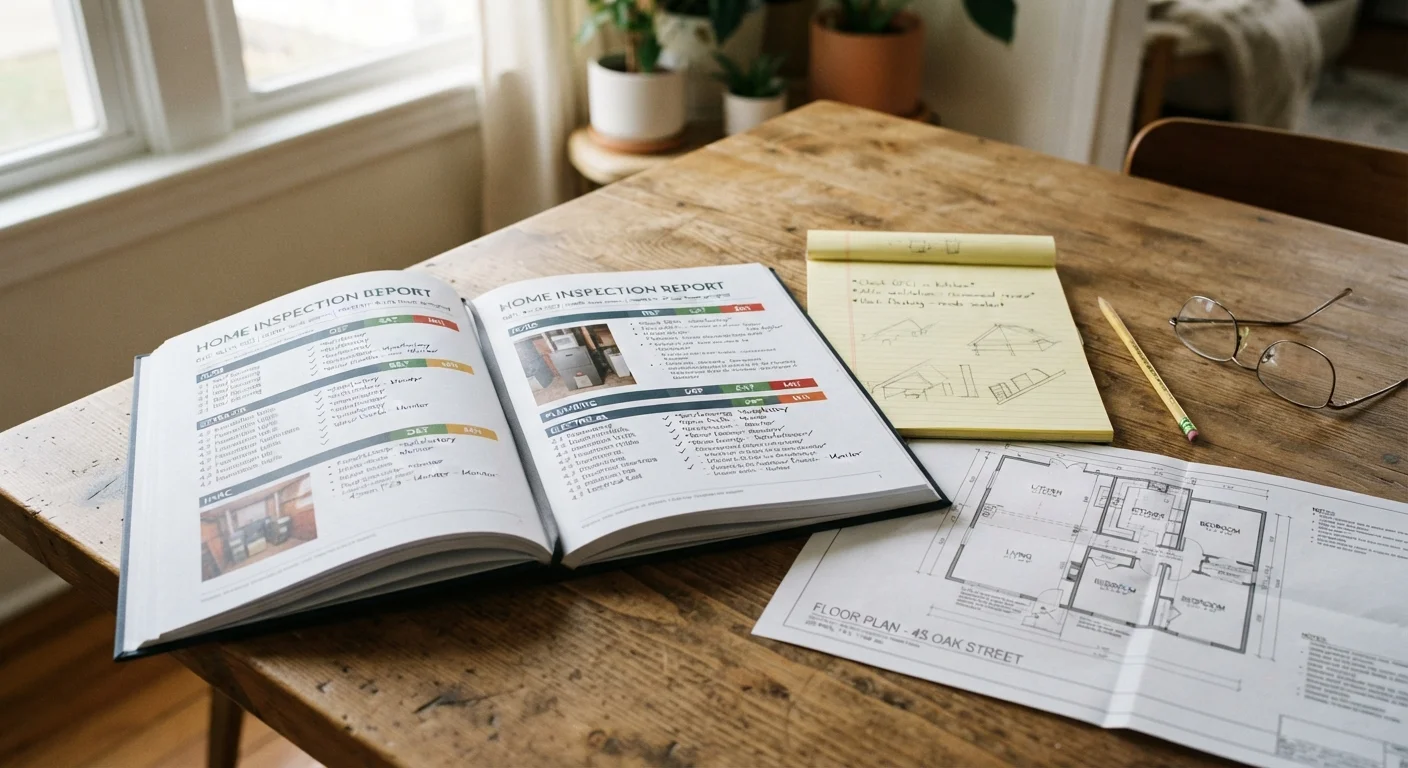
A typical home inspection report runs anywhere from 30 to 100 pages, filled with photos, checklists, condition ratings, and inspector commentary. For most buyers and sellers, the sheer volume creates anxiety - especially when every cracked caulk joint appears alongside a potentially failing roof in the same document.
The key insight: inspection reports are designed to be comprehensive, not alarming. Inspectors are professionally obligated to document everything they observe, regardless of severity. That means a missing downspout extension and an unsafe electrical panel occupy the same report - but they are nowhere near equivalent in importance.
Reading the report strategically, rather than linearly, is what separates useful action from unnecessary panic. Much like learning to interpret a vehicle history report, the goal is to identify what's materially significant and what's routine background noise.
How Reports Are Structured
Most inspection reports follow a consistent structure organized by home system or location. Common sections include:
- Roofing - shingles, flashing, gutters, and drainage
- Exterior - siding, grading, driveways, and decks
- Foundation and Structure - visible framing, crawlspaces, and basement conditions
- Electrical - panel, wiring types, outlets, and GFCI protection
- Plumbing - supply lines, drains, water heater, and fixtures
- HVAC - heating and cooling equipment, ductwork, and filters
- Interior - walls, ceilings, floors, windows, and doors
Each section contains individual findings rated by severity. Common rating labels include safety concern, major defect, minor defect, and maintenance item. Some reports use color coding - red for urgent, yellow for monitor, green for acceptable. Always check the report's own legend, since terminology varies by inspector and reporting software.
86%
Homes with at least one defect found
According to the American Society of Home Inspectors, the vast majority of inspected homes have at least one defect noted - reinforcing that findings are routine, not exceptional.
~$400
Typical cost of a standard home inspection
Home inspection costs vary by region and home size, but most fall in the $300-$500 range for a standard single-family property, according to industry surveys.
100+
Systems and components typically evaluated
ASHI standards require inspectors to evaluate over 100 individual components across a home's major systems during a standard inspection.
Separating Serious Findings from Routine Notes
The most important skill when reading an inspection report is triage. Start with the executive summary or summary of concerns, which most reports include at the beginning or end. This consolidates the highest-priority findings in one place.
Safety concerns deserve immediate focus. These include things like: open wiring or double-tapped breakers in the electrical panel, active water intrusion near the foundation, non-functioning smoke or carbon monoxide detectors, and gas supply issues. These aren't negotiating chips - they're conditions that affect the health and safety of occupants and typically require licensed professional repairs.
Major defects are functional failures - a furnace that's beyond service life, a roof with active leaks, or evidence of significant structural movement. These carry real cost implications and warrant specialist follow-up before closing.
Maintenance items are the bulk of most reports: dirty HVAC filters, peeling exterior paint, minor caulk gaps, or a loose doorknob. These are normal for any lived-in home and are generally the owner's responsibility going forward, not grounds for negotiation.
Ask the Inspector to Walk You Through It
Most inspectors are willing to spend 10-15 minutes at the end of the inspection reviewing their key findings verbally. This conversation is often more useful than reading the written report cold. You can ask what they'd personally prioritize, which items they found surprising for the home's age, and whether any findings suggest a need for specialist evaluation.
When to Bring in a Specialist
A home inspector's role is generalist observation, not specialist diagnosis. When a report flags something with language like further evaluation recommended or monitor for changes, that's a signal to consult a licensed trade professional - not to dismiss the finding.
Common triggers for specialist follow-up include:
- Any mention of knob-and-tube or aluminum branch-circuit wiring (electrician)
- Visible cracks in foundation walls or floors (structural engineer)
- Evidence of past or active moisture in crawlspaces or basements (waterproofing specialist)
- Roof age near or beyond its expected service life (roofing contractor)
Getting a specialist assessment before closing gives you documented cost estimates, which strengthens any repair request or credit negotiation. It also protects you from surprises after you own the home. Just as first-time car buyers sometimes skip the pre-purchase inspection, skipping specialist follow-up on flagged home issues is one of the most common and costly oversights buyers make.
Using the Report After You Close
Your inspection report doesn't expire at closing. It becomes a valuable maintenance roadmap for your first few years of ownership. Items flagged as monitor or nearing end of service life give you a predictable timeline for budgeting future repairs - such as planning for a water heater replacement or scheduling a roof assessment in two years.
Many new homeowners file the report away and forget it exists. Instead, keep a digital copy accessible and revisit it annually alongside your home maintenance schedule. Cross off addressed items, note any changes you observe in flagged areas, and use the original inspection photos as a baseline for evaluating new conditions.
A home inspection report, read carefully, is less a list of problems and more a portrait of your home at a specific moment in time. Used well, it keeps you ahead of repairs rather than reacting to failures.