Why Renovation Budgets So Often Fall Short
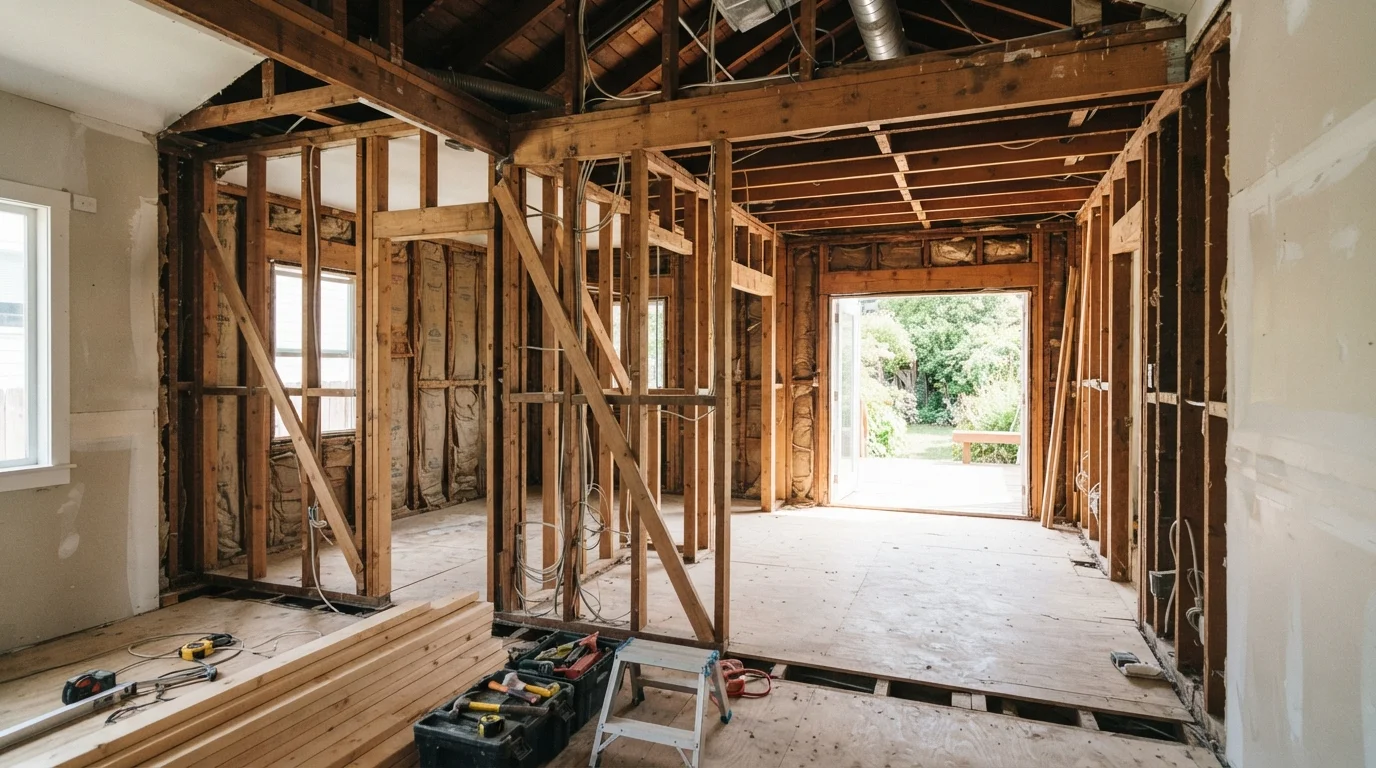
Most renovation cost overruns share a common root: homeowners budget for the visible work and forget the hidden layers - permits, disposal fees, structural surprises, and the labour premium that comes with skilled trades. A bathroom remodel that looks like a tile-and-fixture swap can quickly expand once a contractor opens the wall and finds outdated plumbing or moisture damage behind the backer board.
Understanding the cost categories behind any project - not just a single headline number - is what separates a budget that holds from one that collapses halfway through. The three main drivers in nearly every renovation are materials, labour, and permits and compliance costs. These interact differently depending on project scope, your region, and whether you're doing any work yourself.
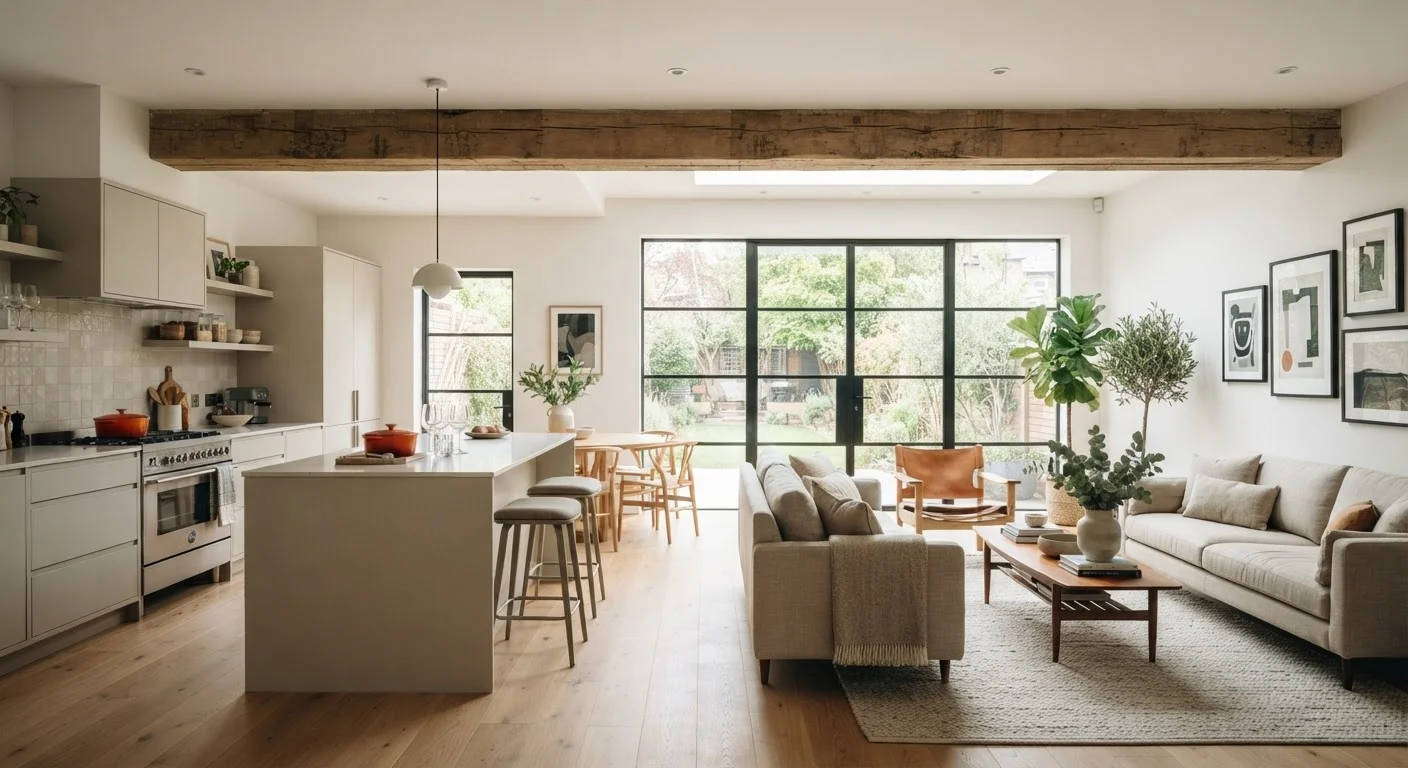
For homeowners considering structural changes such as opening up a floor plan, it's worth reading about the trade-offs of open-plan conversions before committing to a scope.
The Three Cost Drivers - Broken Down
Materials
Material costs vary enormously based on grade, origin, and market conditions. Flooring, for example, can range from under $2 per square foot for basic vinyl plank to $15 or more for solid hardwood - before installation. When budgeting materials, always add 10-15% for waste and cuts, and verify whether delivery and disposal of old materials are included in any quote you receive.
Labour
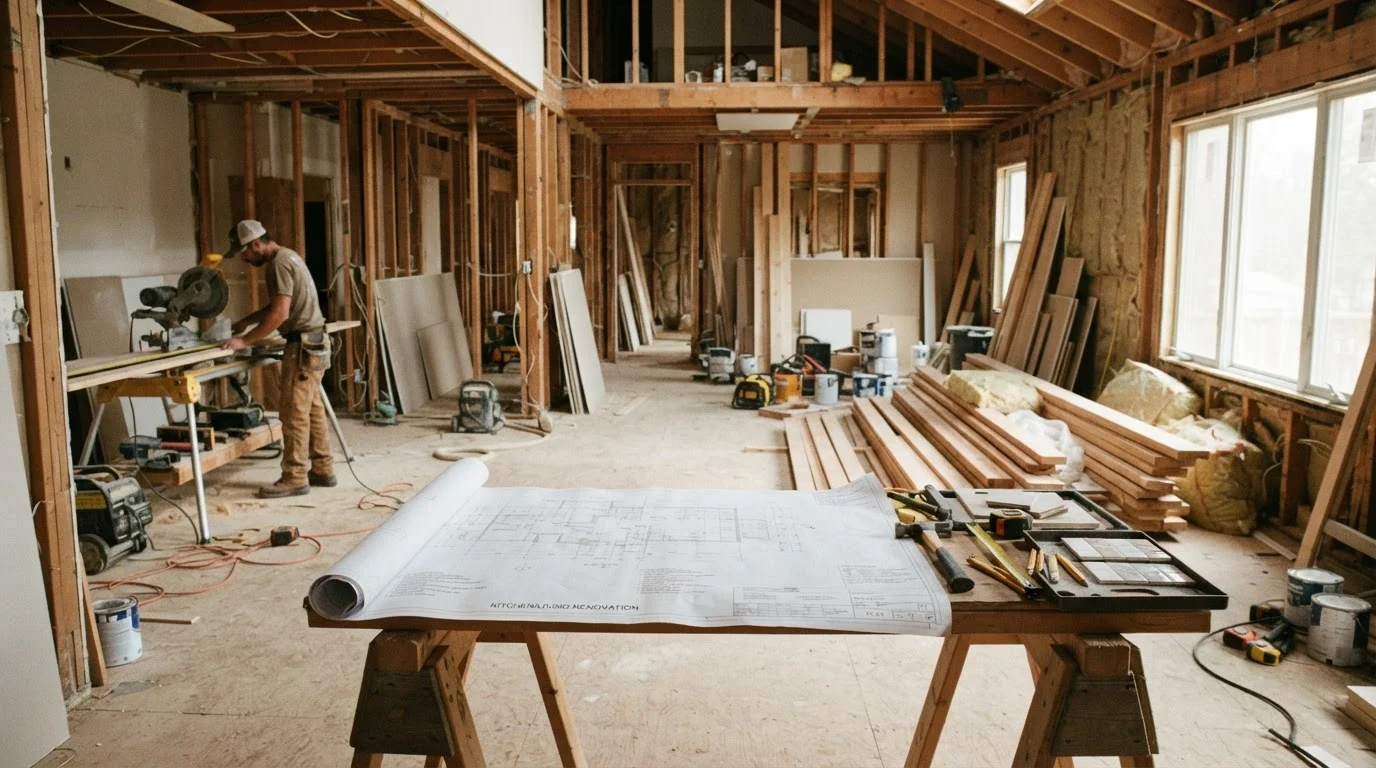
Labour typically represents 30-50% of total project cost for most trades, and more for specialised work like electrical or HVAC. Rates vary by region, project complexity, and contractor demand. Getting at least three written quotes gives you a realistic market range - a single quote is just a data point, not a baseline. Keep in mind that the lowest quote isn't always the safest choice; licensing, insurance, and documented experience matter for work that affects your home's structure or systems.
Permits and Compliance
Permits are not optional on regulated work - they exist to ensure the project meets local building codes and protect future occupants. Permit fees themselves are often modest (frequently under $500 for standard jobs), but the real cost of skipping them can surface later: failed home inspections during a sale, insurance complications, or required demolition of unpermitted work. Our guide to permit myths that trip up DIY renovators explains what's actually regulated and why compliance pays off.
Common Projects and Their Cost Variables
Kitchen Remodels
Kitchen renovations are among the most variable in cost. A cosmetic refresh - repainting cabinets, replacing hardware, upgrading a faucet - can cost a few hundred to a few thousand dollars. A full gut-and-rebuild involving new cabinets, countertops, appliances, and flooring can run $20,000-$80,000 or more depending on finishes and whether the layout changes. Layout changes almost always require plumbing and electrical work, which adds licensed-trade costs and permits.
Bathroom Updates
A mid-range bathroom remodel (new tile, vanity, toilet, and fixtures without moving walls or drain lines) typically runs $8,000-$20,000 in most US markets. Moving plumbing - even a few feet - can add thousands due to the labour intensity and potential need for a licensed plumber to pull permits.
Roofing
A full asphalt shingle replacement on an average single-story home commonly falls between $8,000 and $18,000 depending on pitch, square footage, and whether the decking underneath needs repair. Roofing is not a project where DIY generally makes sense: safety risks are significant, and improper installation can void manufacturer warranties and create leak liability.
Structural and Load-Bearing Work
Any project touching walls requires an accurate assessment of what those walls do. Before removing or altering any interior wall, review what homeowners need to know about load-bearing walls. Engineer fees, beam installation, and temporary supports add cost that surprises many first-time renovators.
Once you know your project's realistic cost range, it's worth considering which upgrades tend to add long-term value so your investment aligns with your goals.
Building a Renovation Budget That Holds
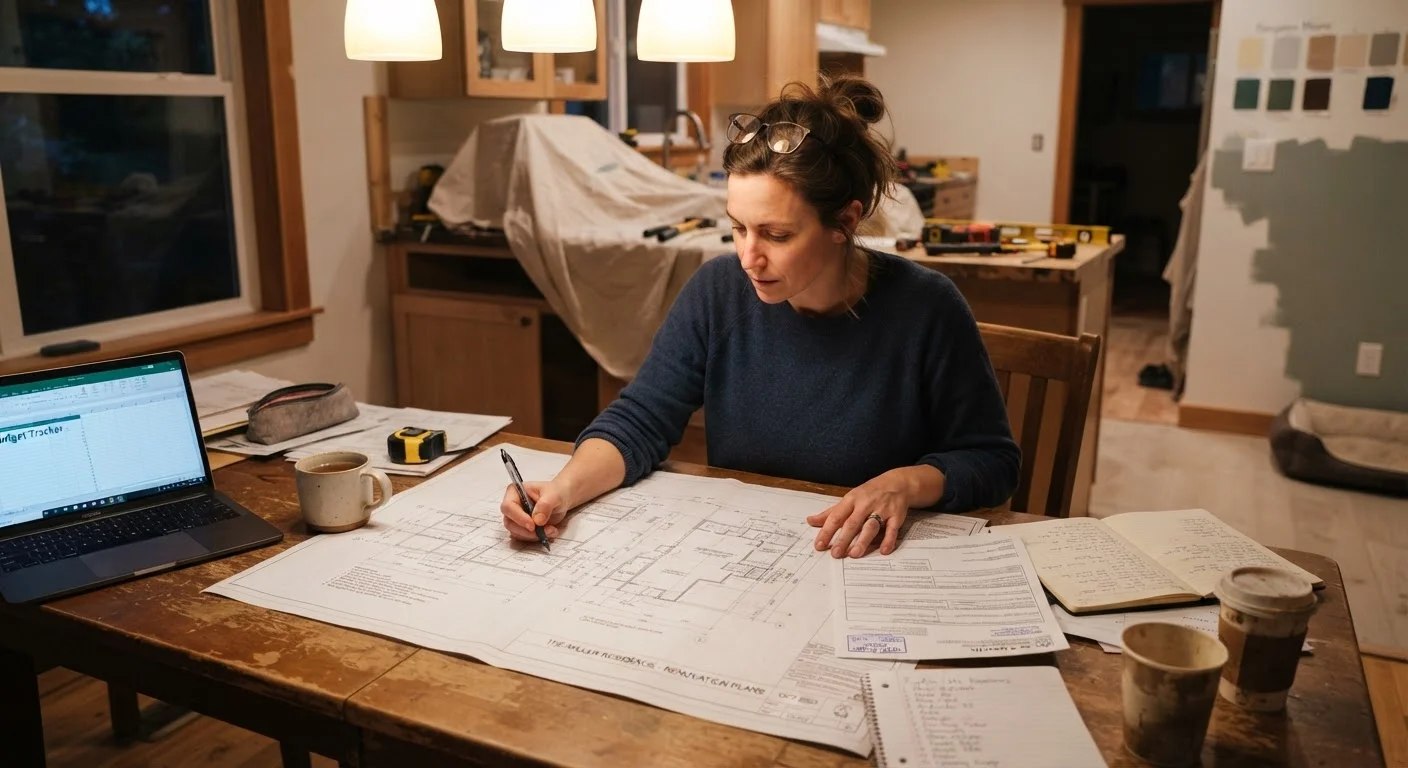
A practical approach is to break your budget into four buckets: materials, labour, permits and fees, and a contingency reserve of at least 15-20% of total project cost. That reserve is not a luxury - it's where your budget absorbs the unavoidable discoveries that happen once walls open. Homes built before 1980 are especially likely to contain surprises such as outdated wiring, galvanised pipes, or inadequate insulation.
Getting itemised quotes - not just totals - lets you see exactly what each contractor is pricing and makes comparison meaningful. Ask for line items covering materials, labour hours, subcontractor costs, permit fees, and cleanup. For broader financial planning around home expenses, the principles in budgeting basics apply just as well to renovation planning as to everyday spending.
This article is for general informational purposes only. Cost figures are illustrative ranges based on commonly reported market data and will vary by location, project scope, and contractor. Always obtain licensed professional assessments, verify local permit requirements with your municipality, and consult qualified tradespeople before beginning any renovation work.