Why the Advertised Price Is Just the Beginning
Walk into a dealership after seeing a $28,000 price on a vehicle listing, and you will rarely write a check for $28,000. By the time a deal is finalized, the actual amount due is almost always higher - sometimes significantly so. Understanding why that gap exists is the first step to not being caught off guard.
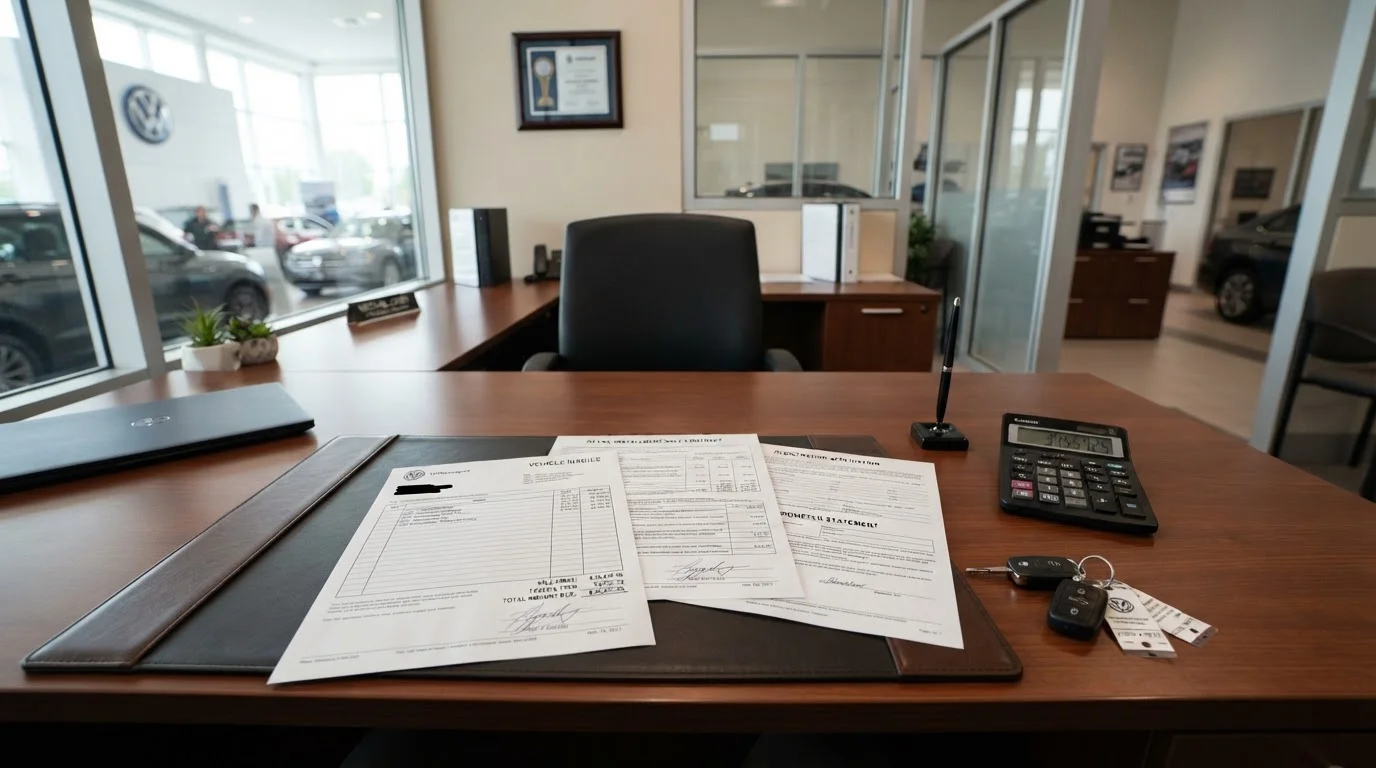
The price you see advertised - whether on the dealer's website, a third-party listing, or the window sticker on the lot - is the vehicle's selling price. It does not account for the state and local taxes, government registration and title fees, or the dealer's own documentation and processing charges that get layered on during the closing process.
This is not necessarily deceptive practice; many of these costs are mandated by state or local governments and are unavoidable. But the way they're presented - often only revealed in the finance office - can make the final number feel like a surprise. Car-buying myths that cost shoppers money often center on exactly this moment, when buyers discover the real total is far from what they anticipated.
What's Actually Inside the Out-the-Door Price
The OTD price is made up of several distinct layers. Knowing each one helps you spot anything that looks unusual on a dealer's itemized sheet.
$1,000-$4,000+
Typical fees added above negotiated vehicle price
Industry estimates suggest taxes, title, registration, and dealer fees commonly add this range to the negotiated price, varying significantly by state and dealer.
Varies by state
State sales tax rate on vehicle purchases
State sales tax rates on vehicle sales range from 0% in states with no general sales tax to over 10% in some localities when state and local rates are combined.
$100-$700+
Typical dealer documentation fee range
Documentation fees vary widely by state and dealer; some states cap them by law while others impose no limit, according to consumer automotive resources.
The Negotiated Vehicle Price
This is the amount you and the dealer agree on for the vehicle itself - after any negotiation, manufacturer incentives, or trade-in credit is applied. It's the foundation of the OTD total, and it's where your negotiating leverage is greatest.
Sales Tax
State and local sales tax is calculated as a percentage of the vehicle's selling price. Rates vary considerably by state - and sometimes by county or municipality within a state. This cost is non-negotiable because it's set by law.
Title and Registration Fees
Every state charges fees to transfer a vehicle's title into your name and register it for road use. These are also government-mandated and fixed, though the amounts differ significantly from state to state.
Dealer Documentation Fee
Commonly called a "doc fee," this covers the dealer's cost of processing paperwork. Some states cap how much dealers can charge; in others, it's unregulated. Doc fees vary widely - from under $100 to several hundred dollars - and may be negotiable depending on the dealer and state.
Other Dealer Fees
Some dealers add charges such as advertising fees, dealer preparation fees, or market adjustments. These are not government-mandated. Whether they're negotiable depends on the dealer and current market conditions, but it's worth asking for a clear explanation of any line item you don't recognize. See our glossary of car-buying terms for definitions of the charges you're most likely to encounter.
How to Use the OTD Price When Shopping
The out-the-door price is the only figure that lets you make a true apples-to-apples comparison between dealers. Two dealers may quote the same vehicle at identical selling prices, yet charge very different fees - making one deal meaningfully more expensive than the other.
Ask for It in Writing Before You Sit Down
Request an itemized out-the-door price quote via email before visiting the dealership. This gives you a written record to compare across dealers and removes pressure from the in-person closing process. If a dealer refuses or only gives a vague estimate, that's worth noting before you commit.
When contacting dealers - whether by phone, email, or in person - ask specifically for the out-the-door price in writing, with an itemized breakdown. A straightforward request for this information is standard practice, and a dealer's willingness to provide it promptly is itself a useful signal about how they do business.
Once you have OTD quotes from multiple sources, compare them line by line. If one dealer's doc fee or add-on charge is notably higher without a clear justification, that's worth raising in your conversation. Keep in mind that government fees will be roughly the same regardless of which dealer you buy from in the same state - so differences in OTD totals typically come down to the vehicle price itself or discretionary dealer fees.
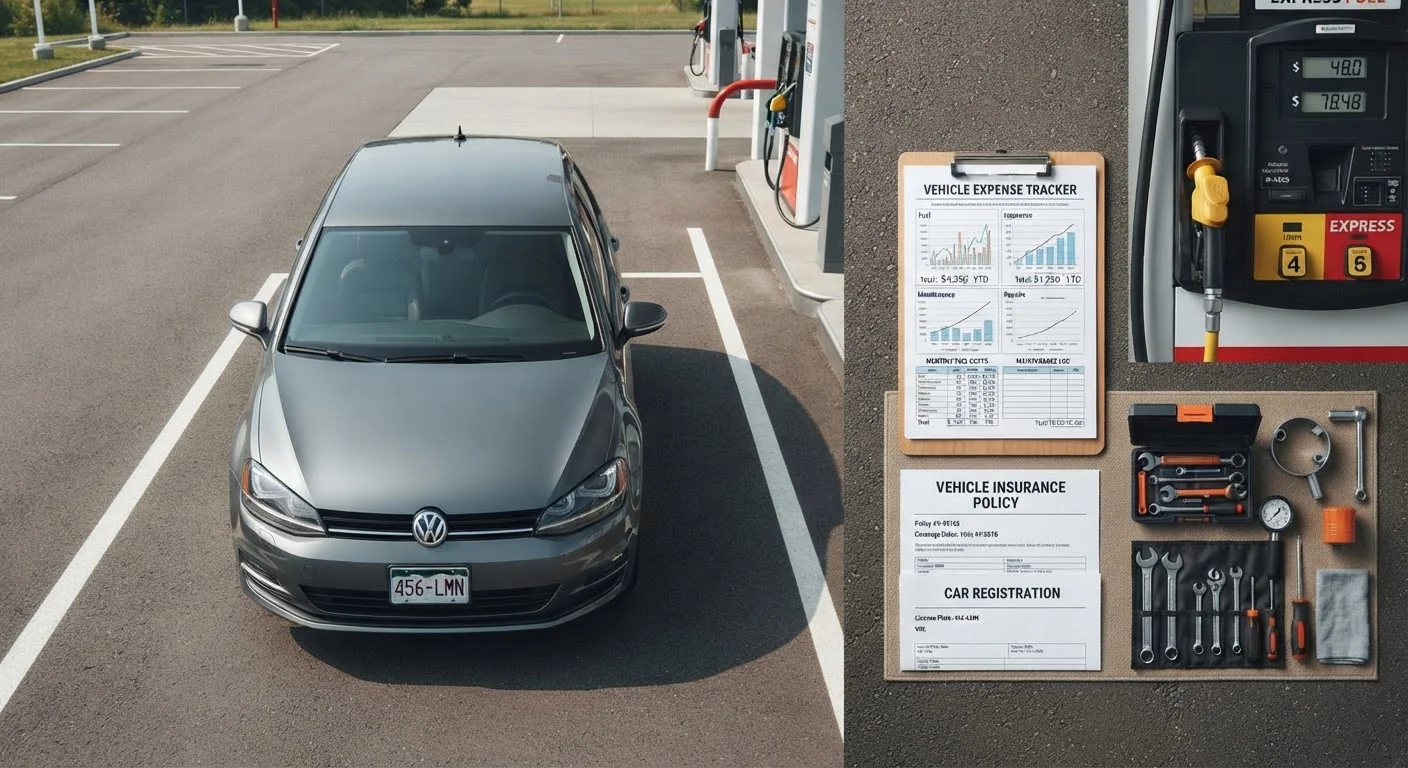
It's also worth remembering that the OTD price covers only the purchase transaction. Ongoing costs - insurance, fuel, maintenance, and depreciation - are separate considerations. Our guide to total cost of ownership walks through how to estimate what a vehicle will actually cost you over time beyond the purchase itself.
This article is for general informational purposes only and does not constitute financial or legal advice. Fees, taxes, and regulations vary by state and locality. Consult applicable state resources or a qualified professional for guidance specific to your situation.