Why Familiar Doesn't Always Mean Better
Most American travelers default to the same shortlist: New York, Chicago, New Orleans, San Francisco. These are genuinely great cities, but the crowds are thick, accommodation costs have climbed sharply, and the experience can feel packaged rather than discovered. Meanwhile, dozens of mid-sized American cities quietly deliver comparable depth — vibrant culinary scenes, serious museums, fascinating local history — without the queues or the hotel markups.
This isn't about settling for less. It's about recognizing that the traveler who ventures to Chattanooga, Savannah, or Spokane often returns with richer stories than the one who spent three days waiting to get into a famous restaurant in a city every travel publication covers constantly. Budget-conscious travel doesn't require sacrifice — it frequently rewards patience and curiosity with more authentic encounters. And if you time your visit wisely, as explored in our guide to shoulder season travel, the value proposition improves further.
Below are seven cities worth putting on your radar — each one capable of surprising even experienced domestic travelers.
Chattanooga, Tennessee
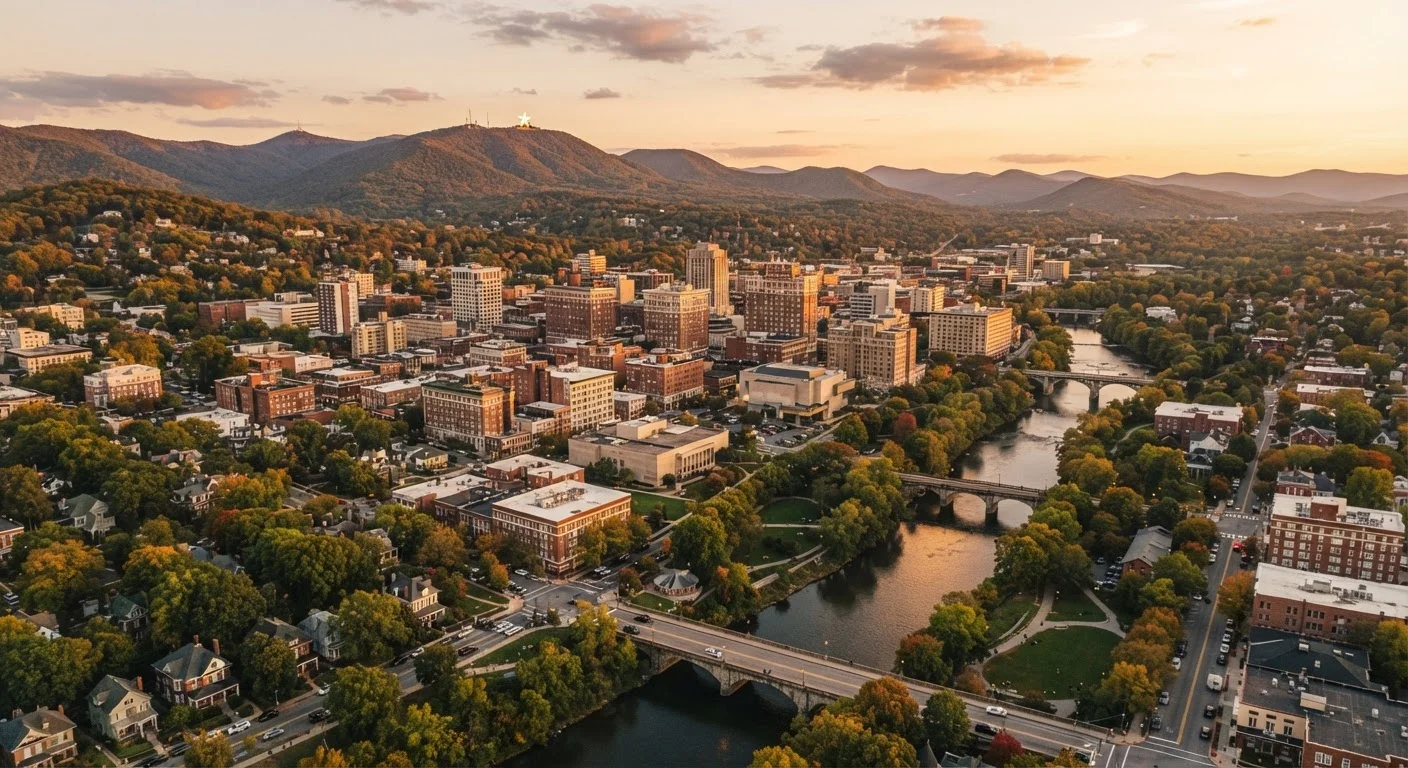
Chattanooga has quietly assembled one of the more compelling downtown cores of any mid-sized American city. The Tennessee Aquarium is genuinely world-class, and the Bluff View Art District offers walkable galleries alongside independent cafés perched above the Tennessee River. The city's investment in outdoor infrastructure — the Riverwalk, Lookout Mountain trails, and a well-maintained urban cycling network — means there's a strong case for staying three or four days rather than passing through. Accommodation options range from renovated historic properties to budget-friendly guesthouses, and the dining scene has diversified considerably, with a strong farm-to-table influence driven by proximity to Appalachian producers.
Chattanooga's outdoor infrastructure and world-class aquarium make it an easy choice for multi-day stays.
Savannah, Georgia
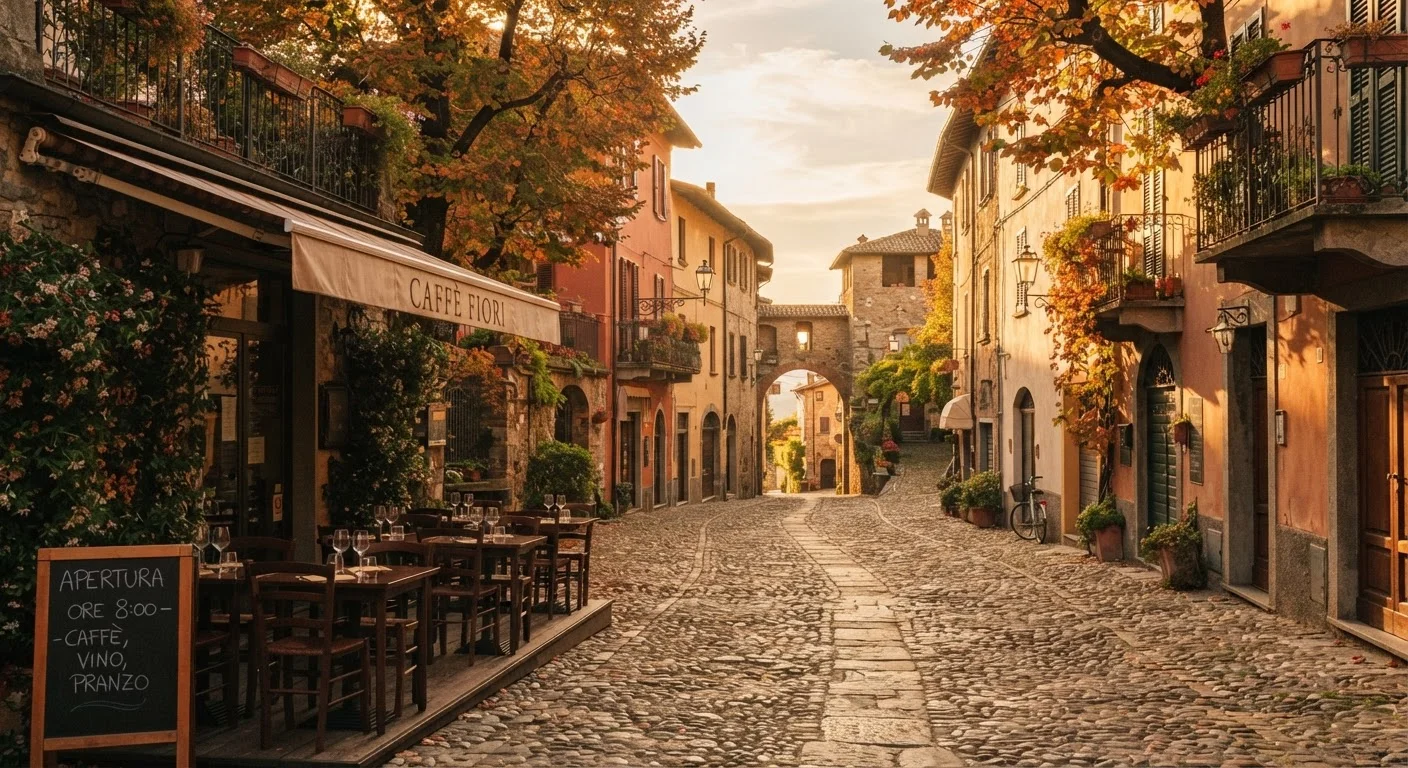
Savannah is perhaps the least hidden city on this list — it has admirers — but it remains systematically underestimated compared to the attention it deserves. The historic district's 22 public squares give it a walkable, human-scaled character that's genuinely rare in American urban planning. The cobblestone streets of the waterfront, the Spanish moss draped over live oaks, and the density of pre-Civil War architecture create an atmosphere that rewards slow exploration rather than a checklist approach. The local food scene emphasizes Southern staples done with care. Importantly, the city is compact enough that a visitor without a car can cover most of it comfortably on foot.
Savannah's 22 public squares and walkable scale make it ideal for unhurried, discovery-driven travel.
Spokane, Washington
Spokane sits in Eastern Washington, far enough from Seattle that most coastal travelers never seriously consider it. That distance is the city's asset. Riverfront Park — built on the bones of a 1974 World's Fair site — anchors a surprisingly engaging downtown. The drive to the Palouse region's rolling wheat hills or east toward the Coeur d'Alene lake district is short, making Spokane a useful base for Pacific Northwest exploration without Seattle's price tag. The city has a growing independent restaurant scene, a strong craft brewing presence, and hotel pricing that reflects its status as a regional hub rather than a tourist magnet.
Spokane offers Pacific Northwest landscapes and a genuine downtown without Seattle's tourist-season pricing.
Providence, Rhode Island
Providence consistently ranks among the best food cities in the country by those who know it — and remains chronically overlooked by travelers who fixate on Boston, just an hour away. The city's College Hill neighborhood is architecturally striking, with Federal-style buildings running along Benefit Street. WaterFire, the city's public art installation that lights the rivers with floating bonfires, is an experience that's difficult to replicate anywhere else. As a college town with multiple institutions, Providence has an engaged arts and music scene that punches above its weight. Day-trip access to the Rhode Island coast adds further flexibility for visitors.
Providence's food scene and public art rival cities twice its size, with Boston day-trip access as a bonus.
Tucson, Arizona
Tucson earns attention from foodies and outdoor enthusiasts who know the desert Southwest well, but it rarely appears on mainstream travel shortlists. The city holds a UNESCO Creative City of Gastronomy designation — one of only a handful in the United States — reflecting a culinary tradition rooted in Sonoran cuisine and Indigenous foodways that predates the region's statehood by centuries. Saguaro National Park brackets the city on both sides. The Arizona-Sonora Desert Museum is consistently rated among the country's best natural history institutions. Accommodation is generally more affordable than Phoenix, and the city's compact, bikeable grid makes day-to-day navigation straightforward.
Tucson's UNESCO gastronomy designation reflects a food culture that is genuinely distinctive and historically deep.
Pittsburgh, Pennsylvania
Pittsburgh's transformation from a steel city to a hub for technology, medicine, and the arts is well underway, but its tourism profile hasn't caught up. The Carnegie Museums complex — covering natural history, art, science, and Andy Warhol's legacy — is one of the more ambitious museum systems in the country. The city's topography, defined by three rivers and a series of hills and bridges, makes it visually distinctive in a way that photographs poorly but rewards physical presence. Neighborhoods like Lawrenceville and the Strip District have developed strong independent retail and dining ecosystems. Hotel pricing reflects a city still building its leisure travel reputation, which is an advantage for visitors arriving now.
Pittsburgh's museum complex and neighborhood dining scene represent genuine cultural depth at accessible price points.
Albuquerque, New Mexico
Santa Fe absorbs most of New Mexico's travel attention, leaving Albuquerque — larger, more affordable, and in some ways more authentically New Mexican — largely to local knowledge. Old Town Albuquerque is a walkable historic district with genuine roots rather than reconstructed character. The International Balloon Fiesta in October is one of the more spectacular public events in the American calendar, though off-season visits reveal a city that rewards exploration without the festival crowds. The Sandia Mountains provide hiking and tram access to striking high-altitude views. Cuisine here is Hatch green chile territory — a regional specificity that serious food travelers seek out deliberately.
Albuquerque offers authentic New Mexican culture and cuisine at significantly lower prices than its more famous neighbor.
Planning Your Visit to an Underappreciated City
The practical advantages of these destinations compound quickly. Because these cities attract fewer leisure travelers, independent hotels and short-term rentals typically price more competitively than in major metros. Local restaurants aren't dependent on tourist turnover, which often translates to better value and more consistent quality. Many of these cities have invested heavily in walkable downtowns, making it realistic to explore on foot or by bike without renting a car.
Time Your Visit for Maximum Value
These cities tend to have distinct shoulder seasons — periods just outside their local peak when prices drop and crowds thin without much sacrifice in weather or programming. Researching the local event calendar before booking can help you avoid accidental overlap with major regional festivals that spike accommodation rates. Flexibility on travel dates of even a week or two can make a meaningful difference to your overall costs.
For travelers who enjoy international options but want to compare them honestly against domestic alternatives, our overview of Central America's most rewarding destinations offers a useful counterpoint. Sometimes the most interesting travel decision is weighing a familiar domestic underdog against a less-familiar international one. Either way, the underlying principle holds: the less-hyped destination usually has more room to exceed expectations.
Before booking, verify current visa requirements, local entry rules, and any travel advisories through official government sources — conditions can change, and no article should substitute for up-to-date official guidance.