
What Each Format Actually Offers
Group classes typically involve four to ten pet-and-owner pairs working together under one or two trainers. Sessions are structured around a shared curriculum — basic cues like sit, stay, and loose-leash walking — and progress at the group's pace. One-on-one sessions, by contrast, are scheduled privately with a single trainer who designs every session around your specific pet and goals.
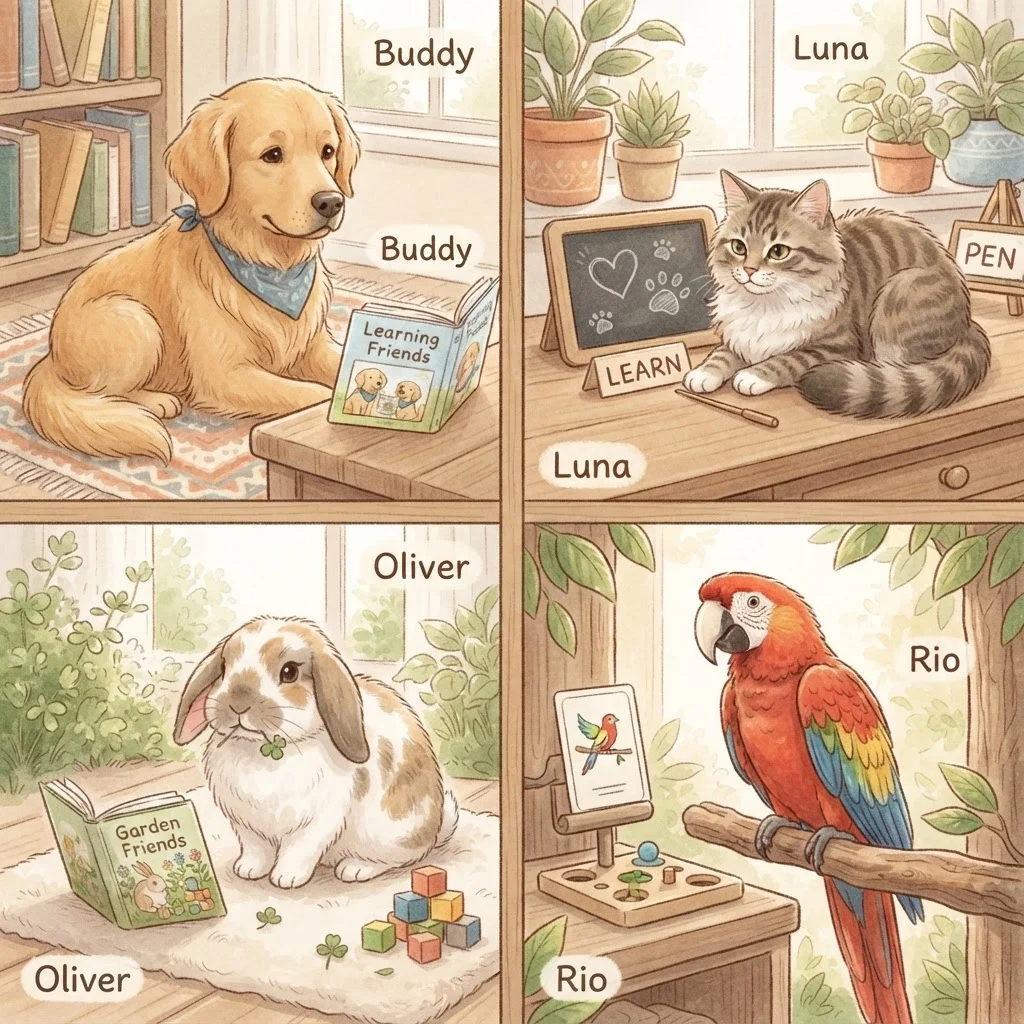
Both formats rely on the same foundational science: positive reinforcement, the principle that behaviors followed by something rewarding are more likely to be repeated. The difference lies in how that science gets applied and in what environment. Understanding that distinction is what makes choosing between them straightforward. See our training approach comparison across species for context on how these formats apply beyond dogs.
The Case for Group Classes
The single biggest advantage of group classes is built-in distraction training. Teaching a dog to sit in a quiet living room is far easier than teaching that same dog to sit when another dog is trotting past three feet away. Group settings replicate the real world more closely, and learning to focus amid distractions is a skill with genuine practical value.
Group classes are also where socialization happens in a structured, supervised way. Puppies and adolescent dogs benefit enormously from positive exposure to unfamiliar animals and people in a setting controlled by a knowledgeable trainer. This kind of early socialization has lasting behavioral effects, according to established veterinary behavioral guidance.
Cost is another practical factor. Group classes are almost always less expensive per hour than private sessions, making them accessible to more owners. The social element can also keep owners motivated and accountable — similar dynamics to those explored in human fitness contexts. Consistent habits at home remain essential regardless of which format you choose.
| Group Classes | One-on-One Sessions | |
|---|---|---|
| Cost | Lower cost per session | Higher cost per session |
| Socialization opportunity | High — built into the format | Minimal — no other animals present |
| Distraction training | Excellent real-world practice | Controlled, low-distraction environment |
| Personalization | Limited — shared curriculum | Full — tailored to your pet |
| Best for reactive or anxious pets | Not recommended initially | Highly recommended |
| Schedule flexibility | Fixed class times | Flexible by arrangement |
| Progress speed on specific issues | Slower — group pace | Faster — focused attention |
The Case for One-on-One Sessions
Private training sessions shine when a pet has a specific behavioral challenge that isn't suited to a group environment. Reactive dogs — those that lunge, bark, or become overwhelmed by other animals or strangers — can struggle significantly in a class setting, and forcing them into that environment can worsen the problem rather than help it.
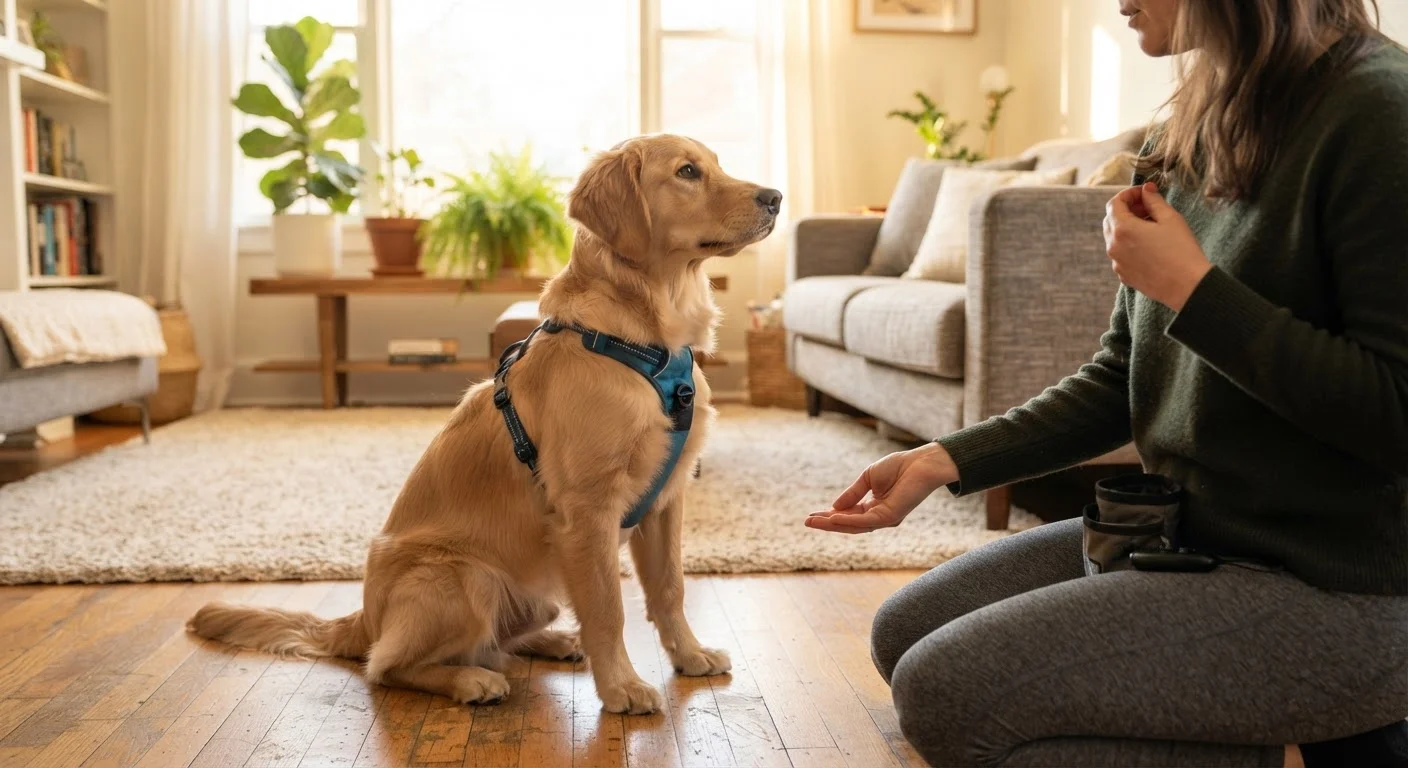
A private trainer can assess your pet's individual history, observe how you interact with your animal, and adjust techniques in real time. If your dog resource-guards food, if your cat is destructively anxious, or if your rabbit has developed a fear response, those issues require a nuanced, individualized plan that a shared curriculum simply cannot provide.
One-on-one sessions also move at your pace. Owners who are new to training, who have physical limitations, or whose schedules don't align with a fixed class roster often find private sessions more practical. Progress on a specific goal, such as eliminating leash pulling or reducing separation distress, tends to be faster when every minute of training time is focused on that one issue.
Consider a Hybrid Approach
Many trainers recommend starting reactive or anxious pets with several private sessions to build foundational skills and confidence, then enrolling in a group class once those basics are solid. This staged approach helps pets succeed in a group environment rather than becoming overwhelmed. Ask any trainer you're considering whether they offer this kind of progression plan.
How to Decide: A Practical Framework
Start by honestly assessing your pet's baseline. Is your pet relaxed around strangers and unfamiliar animals, or does it show signs of stress — freezing, growling, excessive panting, hiding? A relaxed pet is generally a good group class candidate. A stressed or reactive pet will likely benefit more from private work first, possibly transitioning to group classes once their confidence and impulse control improve.
Consider your goals next. Teaching foundational cues to a young, sociable animal? Group classes are efficient and enriching. Addressing an established problem behavior in an adult animal? Private sessions give you the focused attention that problem requires.
Finally, factor in logistics: your schedule, budget, and the trainer's qualifications. Look for trainers who are certified through recognized credentialing bodies — credentials from organizations such as the Certification Council for Professional Dog Trainers (CCPDT) or the International Association of Animal Behavior Consultants (IAABC) signal that a trainer has met a defined standard of knowledge. Many experienced trainers offer a hybrid path — beginning with private sessions to build a foundation, then transitioning to group classes for ongoing socialization and distraction work.
This article is for general informational and educational purposes only. For pets with significant behavioral concerns, anxiety, or aggression, consult a qualified veterinary behaviorist or certified applied animal behaviorist for guidance tailored to your individual animal.