Why Cats Are Uniquely Dependent on Dietary Taurine
Most mammals, including dogs and humans, can manufacture taurine internally from two other amino acids: methionine and cysteine. Cats have this same metabolic pathway, but the enzyme activity involved is so low that it cannot meet their daily needs. This makes taurine an obligate dietary requirement for cats — meaning they must consume it regularly through food.
This is not a quirk or flaw; it reflects cats' evolutionary history as strict carnivores. Animal muscle tissue — particularly heart muscle and seafood — is naturally rich in taurine, so cats evolved without needing to synthesize large amounts themselves. The problem arises when modern diets stray from that animal-protein foundation.
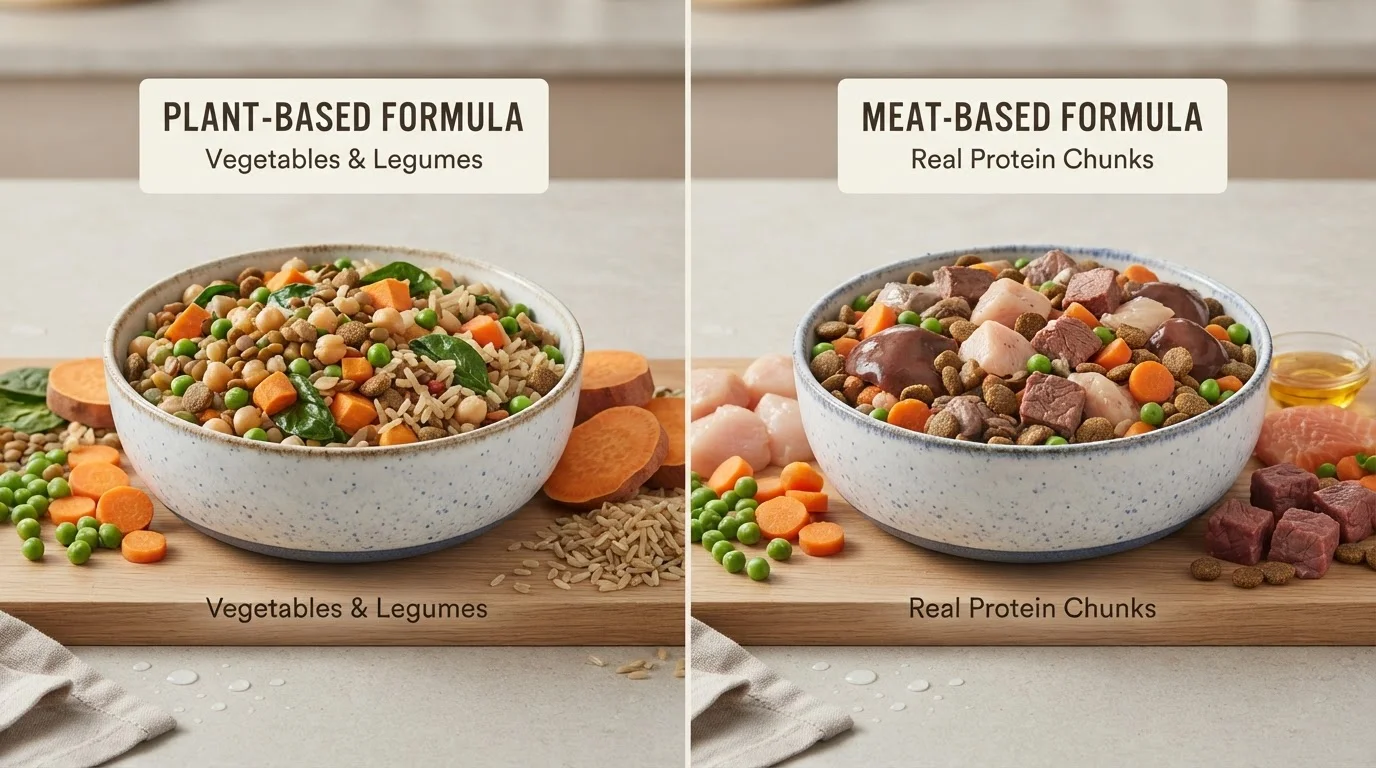
For context on how dramatically cats differ nutritionally from dogs, see our overview of plant-based vs. meat-based pet diets.
Check the Label for "Complete and Balanced"
When choosing commercial cat food, look for the AAFCO nutritional adequacy statement on the packaging. The phrase "complete and balanced" means the formula meets established minimums for taurine and other essential nutrients. Foods labeled "for supplemental feeding only" or "treat" are not designed as sole-diet options and may lack adequate taurine.
What Taurine Does in a Cat's Body
Taurine is not just one thing — it serves multiple physiological roles simultaneously:
- Heart function: Taurine is concentrated in cardiac muscle and helps regulate the contractions that keep the heart pumping efficiently.
- Vision: The retina — the light-sensitive tissue at the back of the eye — depends on taurine to maintain its structural integrity.
- Bile acid production: Cats conjugate bile acids almost exclusively with taurine (unlike humans, who use glycine). This affects fat digestion and absorption.
- Reproduction and fetal development: Pregnant cats with low taurine levels are at higher risk of delivering stillborn or developmentally compromised kittens.
- Immune function: Taurine has antioxidant properties and plays a role in immune cell activity.
The breadth of these functions explains why a deficiency doesn't show up as one simple symptom — it can quietly affect multiple organ systems at once.
~0.2%
Minimum taurine in canned cat food (dry matter)
Per AAFCO nutrient profiles for adult cat maintenance — wet food requires a higher minimum than dry due to processing differences.
1987
Year taurine-DCM link in cats was first published
Researchers at UC Davis identified the connection between taurine deficiency and feline dilated cardiomyopathy, prompting widespread reformulation of commercial cat foods.
~1,000 mg/kg
Taurine concentration in raw beef heart
Animal heart muscle is among the richest natural sources of taurine, illustrating why meat-based diets historically met feline needs without supplementation.
Recognizing the Signs of Taurine Deficiency
Taurine deficiency is typically a slow-developing condition. Cats can appear outwardly healthy for months or even years before clinical signs become visible. The two most documented and serious outcomes are:
Dilated Cardiomyopathy (DCM)
DCM is a condition where the heart muscle weakens and the heart enlarges, reducing its ability to pump blood effectively. In cats, taurine-related DCM became a recognized clinical entity in the late 1980s after researchers identified a link between low-taurine diets and this heart condition. Signs can include lethargy, labored breathing, weakness, and in severe cases, collapse. DCM is a serious condition requiring veterinary diagnosis and management.
Feline Central Retinal Degeneration (FCRD)
When taurine is chronically insufficient, the retinal cells begin to degenerate. Early stages may go unnoticed, but progressive vision impairment — and ultimately blindness — can result. Unlike cardiac changes, retinal damage from taurine deficiency is largely irreversible, which makes prevention especially important.
If your cat shows any of these signs, see a veterinarian promptly. Do not assume diet is the cause without proper assessment — other conditions can produce similar symptoms. Good overall pet health and care means addressing concerns with professional guidance rather than self-diagnosing.
Diet Choices That Affect Taurine Status
The type of food a cat eats has a direct bearing on taurine intake. Here's what the evidence tells us:
Commercial complete-and-balanced cat food
Formulas labeled "complete and balanced" to AAFCO standards must include taurine at minimum required levels. Because processing and heat can degrade some taurine, reputable manufacturers add synthetic taurine separately — a standard and safe practice. For most cats eating these diets, taurine intake is likely adequate.
Homemade diets
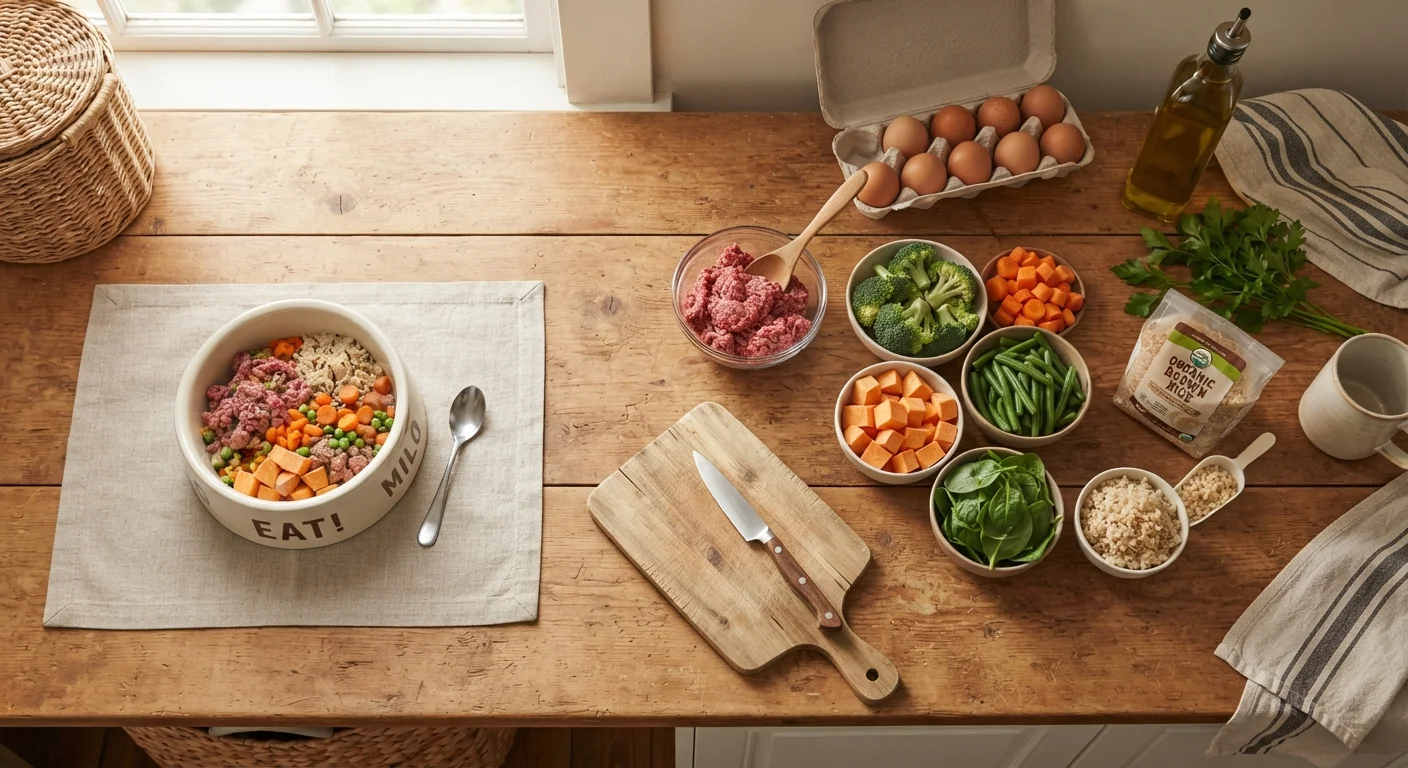
This is where risk rises considerably. Home-cooked meals for cats are rarely balanced without professional formulation. Taurine is among the nutrients most commonly missing or underrepresented. Our article on homemade pet food nutritional gaps explores this challenge in detail.
Dog food or plant-heavy diets
Dog food is not formulated for feline taurine needs. Similarly, plant-based ingredients contain little to no taurine, and diets heavily reliant on grains or legumes may dilute the animal protein content that naturally supplies it.
Taurine Supplementation Needs Veterinary Guidance
If you suspect your cat is taurine-deficient or is eating a diet you're uncertain about, consult a veterinarian before adding supplements. A blood test can measure whole-blood and plasma taurine levels to give a more accurate picture than diet history alone. Self-supplementing without a diagnosis can mask other health issues that need separate attention.
This article is for informational purposes only and does not constitute veterinary advice. Always consult a licensed veterinarian for guidance specific to your cat's health and nutritional needs.