Why the Southwest Demands a Different Planning Approach
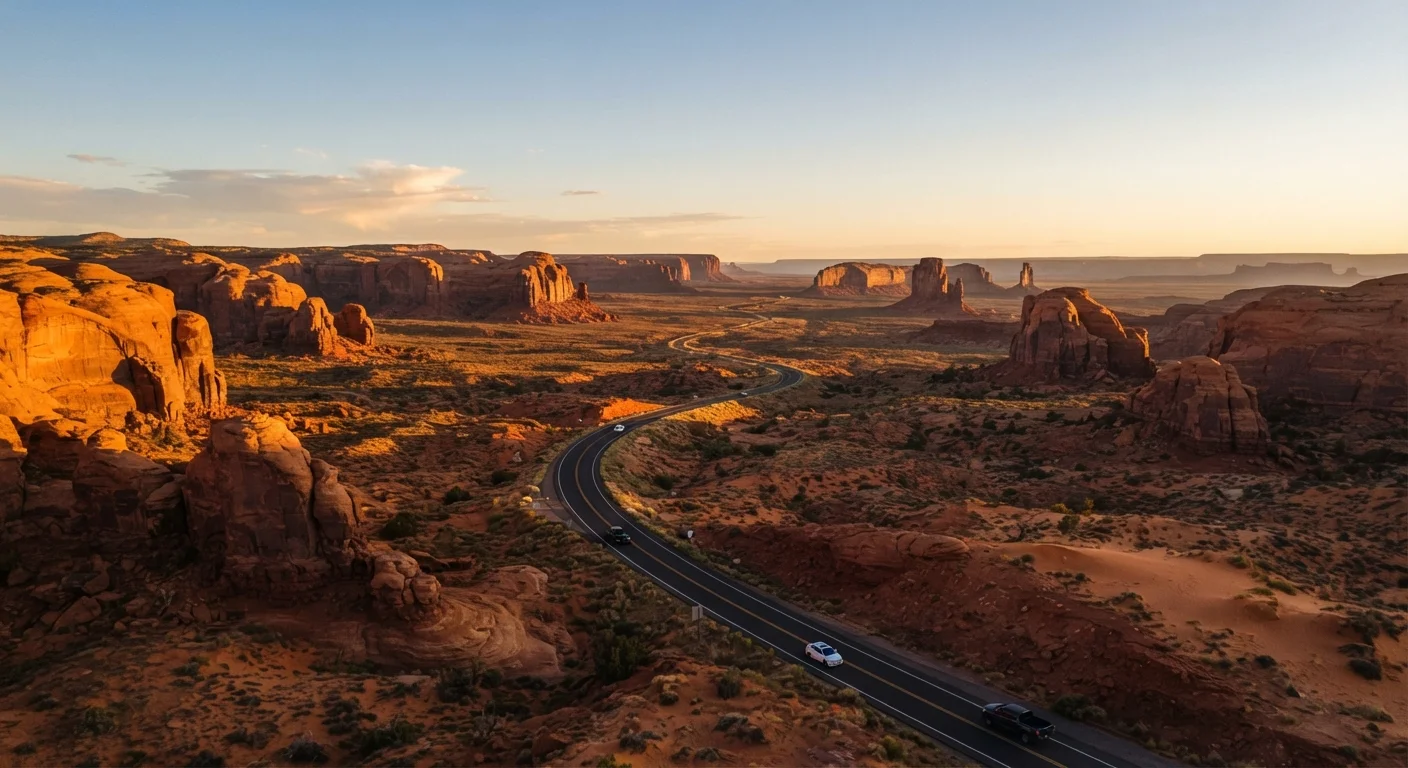
A road trip through the American Southwest — covering regions like southern Utah, northern Arizona, New Mexico, and Nevada's interior — is genuinely different from driving through more densely settled parts of the country. Distances between services are long, temperatures can swing dramatically between morning and afternoon, and some of the most compelling destinations operate under strict access controls. Getting this right starts before you ever load the car.
If you're new to independent trip planning, this first-timer's overview walks through every planning stage from research to departure. For a broader framework on structuring any multiday trip, see the anatomy of a well-planned trip.
The checklist below is organized around the phases of Southwest road trip preparation. Work through it section by section, and adjust based on your specific route and travel party.
Recreation.gov
Reserve campsites, timed-entry permits, and activity slots at federally managed parks and recreation areas.
Offline mapping app (e.g., downloaded maps on your preferred navigation app)
Navigate remote desert routes where cellular coverage is unavailable.
America the Beautiful Annual Pass
Covers entrance fees at national parks, monuments, and federal recreation sites visited on a multi-park route.
Satellite communicator device
Send and receive messages and emergency SOS signals in areas with no cellular coverage.
Portable water storage containers
Carry emergency water reserves in the vehicle for breakdowns or extended time in remote areas.
Your Southwest Road Trip Planning Checklist
Use this checklist to audit your preparation before departing. Items marked must are non-negotiable for a safe, functional trip. Should items significantly reduce friction. Nice to have items improve the experience but won't derail you if skipped.
Route & Timing
Permits & Park Access
Vehicle & Safety Preparation
Navigation & Connectivity
Lodging & Camping
Flash Flooding Is a Real and Rapid Hazard
In canyon country, rain falling miles away can send walls of water through narrow canyons with no warning at your location. Before entering slot canyons or washes, check weather forecasts for the surrounding region — not just the immediate area. If you're booking a guided slot canyon tour, confirm the operator's cancellation and weather-hold policy in advance. Never attempt to drive through flooded roads; water depth in desert washes is notoriously difficult to judge.
Road tripping with others? coordinating a group road trip introduces its own logistical layer — route decisions, cost-splitting, and pacing all benefit from explicit upfront agreements.
Also worth noting: the Southwest rewards a degree of scheduling flexibility. A too-rigid itinerary can lock you out of spontaneous detours or force costly same-day bookings when plans shift. Overplanning can cost more than it saves — aim for a planned framework with genuine breathing room built in.
Budgeting Realistically for a Southwest Drive
Fuel costs on a Southwest road trip are easy to underestimate. A loop through southern Utah, the Grand Canyon, and Monument Valley can cover 1,500 miles or more depending on your route. Add in national park entry fees — which vary by park and permit type — plus camping or lodging, meals, and emergency reserves, and the numbers grow quickly.
Building a travel budget that holds up on the road offers a structured approach to estimating real costs and accounting for expenses that catch travelers off guard. Key Southwest-specific cost factors include timed-entry reservation fees, generator or hookup fees at RV sites, and the reality that dining options in remote areas are limited — meaning you'll pay more or cook more. Plan for both.
For broader trip planning resources, the Trip Planning Essentials hub and Budget Travel Tips hub cover everything from booking strategy to on-the-road spending discipline.
This article provides general travel planning information. Prices, permit availability, road conditions, and park access rules change frequently — always verify current details directly with the relevant park service, state agency, or official provider before your trip.