Why Mexico City Gets Misread Before Visitors Arrive
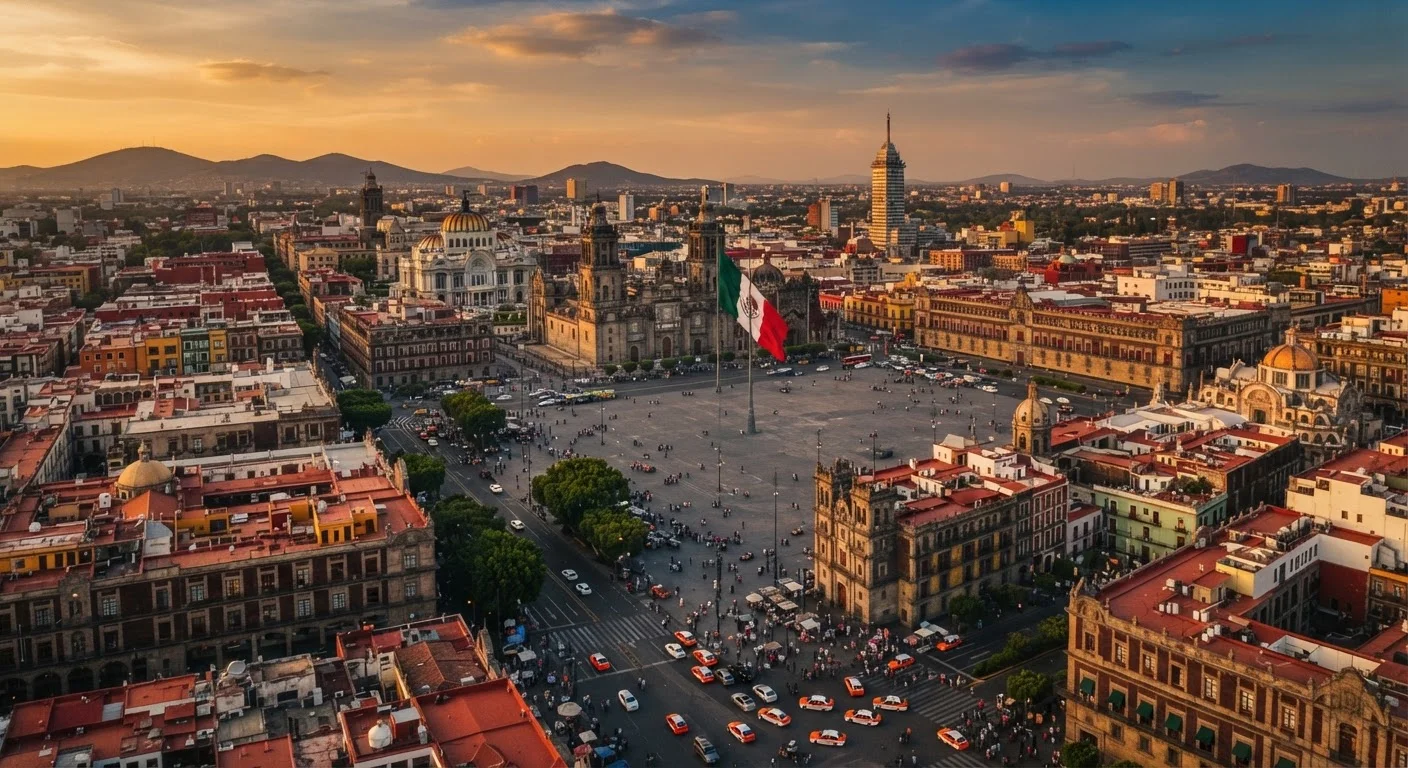
Mexico City is one of the largest and most culturally layered cities in the Americas, yet a surprising number of travelers bypass it entirely based on assumptions that don't hold up to scrutiny. Misconceptions about cost and personal safety are the two biggest barriers — and both are largely outdated or misapplied.
Understanding what's accurate versus what's myth isn't just reassuring; it directly affects how you plan, where you stay, and how much you spend. The myth-versus-fact breakdown below addresses the most common first-timer errors, so you can make genuinely informed decisions rather than ones shaped by unfounded anxiety or wishful thinking.
Myth
Mexico City is too dangerous for tourists — it's one of the most violent cities in the world.
Fact
Mexico City is a large, complex metropolitan area with significant variation by neighborhood. Many popular visitor areas have safety profiles that are broadly comparable to major U.S. cities.
Mexico City encompasses hundreds of neighborhoods, and crime risk varies enormously across them. Colonia Roma, Condesa, Polanco, Coyoacán, and the historic Centro Histórico are among the most visited areas and are generally considered lower-risk for tourists exercising standard urban awareness — staying alert, avoiding poorly lit areas at night, and not displaying expensive items openly.
The U.S. State Department issues travel advisories by Mexican state, not by city neighborhood. Mexico City (which is its own federal entity, not part of any state) has historically carried a lower advisory level than many other parts of Mexico. Checking the current advisory before travel through the official State Department website is always the right move, as conditions change.
Myth
Mexico City is an expensive destination — it's a major world capital after all.
Fact
By most measures, Mexico City is among the more affordable large capitals in the Western Hemisphere, particularly for food, public transportation, and museum entry.
Daily costs for a thoughtful traveler in Mexico City can be remarkably low compared to cities like New York, London, or even Buenos Aires. A full meal at a market comedor (informal lunch counter) often costs the equivalent of a few U.S. dollars. The metro system — one of the largest in the world — charges a flat fare well under a dollar per ride. Many of the city's most significant museums, including some managed by the federal government, offer free admission on Sundays.
Accommodation costs vary more widely, but mid-range options in desirable neighborhoods are generally priced well below equivalents in major North American or European cities. Where costs can climb unexpectedly is in tourist-facing restaurants in upscale neighborhoods and in private ride-share services used habitually instead of public transit.
Myth
You'll definitely get sick from the food — traveler's diarrhea is unavoidable.
Fact
Gastrointestinal illness is a real risk but far from inevitable. Practical precautions significantly reduce the likelihood of problems.
The most consistent risk factor is tap water, not the food itself. Avoiding tap water, ice of uncertain origin, and raw produce washed in tap water covers a large portion of the exposure risk. Cooked street food from busy, high-turnover stalls is generally considered lower risk than it's often portrayed — high customer volume usually means fresher ingredients and faster cooking cycles.
Building tolerance gradually in the first day or two, staying hydrated, and carrying oral rehydration salts as a precaution are practical steps. Consulting a travel medicine professional before departure — particularly about any recommended vaccines or medications — is worthwhile for any international trip.
Myth
You need to rent a car to get around Mexico City properly.
Fact
Mexico City has one of the most extensive public transit networks in the Western Hemisphere. Driving is generally unnecessary and often counterproductive for visitors.
The Mexico City Metro has over 195 stations across 12 lines and covers the city's major neighborhoods, cultural sites, and transport hubs. It is supplemented by the Metrobús rapid bus network, a growing cable car system in hilly areas, and widely available ride-share apps. For most tourist itineraries, a combination of metro and occasional ride-share covers virtually every practical need.
Driving in Mexico City presents genuine challenges: traffic congestion is significant, parking is limited in central areas, and the city operates a vehicle restriction program (Hoy No Circula) that limits which vehicles can drive on which days based on license plate number. Renting a car adds cost and complexity without meaningful benefit for the vast majority of first-time visitors.
Myth
Mexico City has nothing to offer beyond tacos and ancient ruins.
Fact
Mexico City is home to one of the world's highest concentrations of museums, a thriving contemporary arts scene, and a culinary landscape that spans far beyond street food.
The city reportedly has more museums per square kilometer than almost any other city globally — encompassing pre-Columbian archaeology, modern and contemporary art, folk traditions, science, and history. The Palacio de Bellas Artes hosts world-class performances. Neighborhoods like Roma Norte have become internationally recognized for their restaurant and café culture, drawing chefs and food writers from across the world.
This breadth means Mexico City rewards extended stays and repeat visits. A long weekend barely scratches the surface of what's available, which is part of why the city has become an increasingly common choice for longer-term slow travel and remote work stays.
Practical Realities Worth Knowing Before You Book
Even after separating myth from fact, a few practical considerations deserve honest framing. Mexico City's altitude — roughly 7,350 feet above sea level — affects some visitors more than others. Mild symptoms like headaches or fatigue in the first day or two are common; strenuous activity should be eased into rather than rushed. This isn't a reason to avoid the city, but it's worth factoring into your first day's itinerary.
Tap water is not reliably safe to drink, and this applies to residents and visitors alike. Bottled or purified water is the standard, widely available, and inexpensive. Restaurants typically use purified water for cooking, but confirming this at street-level food stalls is reasonable if you have a sensitive stomach.
Altitude Adjustment Is Real — Plan Your First Day Accordingly
At roughly 7,350 feet above sea level, Mexico City sits significantly higher than most North American cities. Some visitors experience headaches, fatigue, or shortness of breath during their first 24–48 hours. Staying well hydrated, avoiding alcohol on arrival day, and keeping the first day's itinerary light can make a meaningful difference. Travelers with cardiovascular or respiratory conditions should consult a healthcare provider before visiting high-altitude destinations.
On the cost side, the value equation in Mexico City rewards travelers who engage with the city on its own terms. Markets, metro rides, neighborhood taquerias, and publicly funded museums (many of which are free on Sundays) represent genuine quality at low price points — not budget compromises. As with any destination, accommodation choices carry significant financial weight. Our article on accommodation trade-offs outlines how to evaluate those decisions without defaulting to the lowest sticker price. And if you're building a broader travel budget, the patterns that derail people are often the same ones covered in common budgeting myths.
For travelers weighing Mexico City against other regional options, Central American destinations offer a useful point of comparison — though few cities on the continent match Mexico City's combination of scale, infrastructure, and cultural depth. Always verify current entry requirements, travel advisories, and health recommendations through official government sources before finalizing any trip.