How Each Method Works
Before comparing the two, it helps to understand exactly what each approach asks you to do. If you're new to budgeting fundamentals, see our introduction to personal budgeting for the core concepts first.
Zero-Based Budgeting
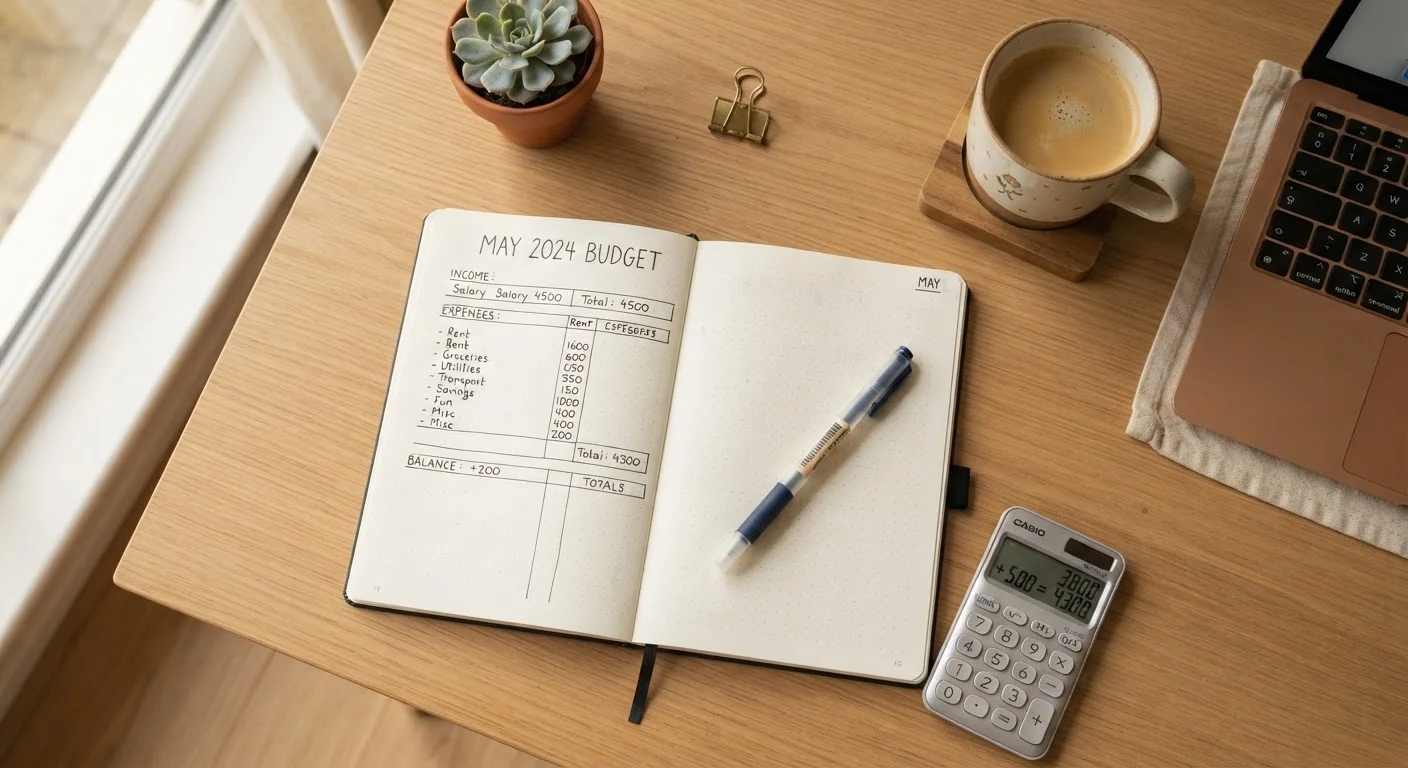
With zero-based budgeting (ZBB), you start each month by listing your total expected income. Then you assign every single dollar to a category — rent, groceries, savings, debt repayment, subscriptions — until the math reads: income minus expenses equals zero. That zero doesn't mean you've spent everything; it means every dollar has been deliberately directed somewhere, including savings.
The Envelope Method
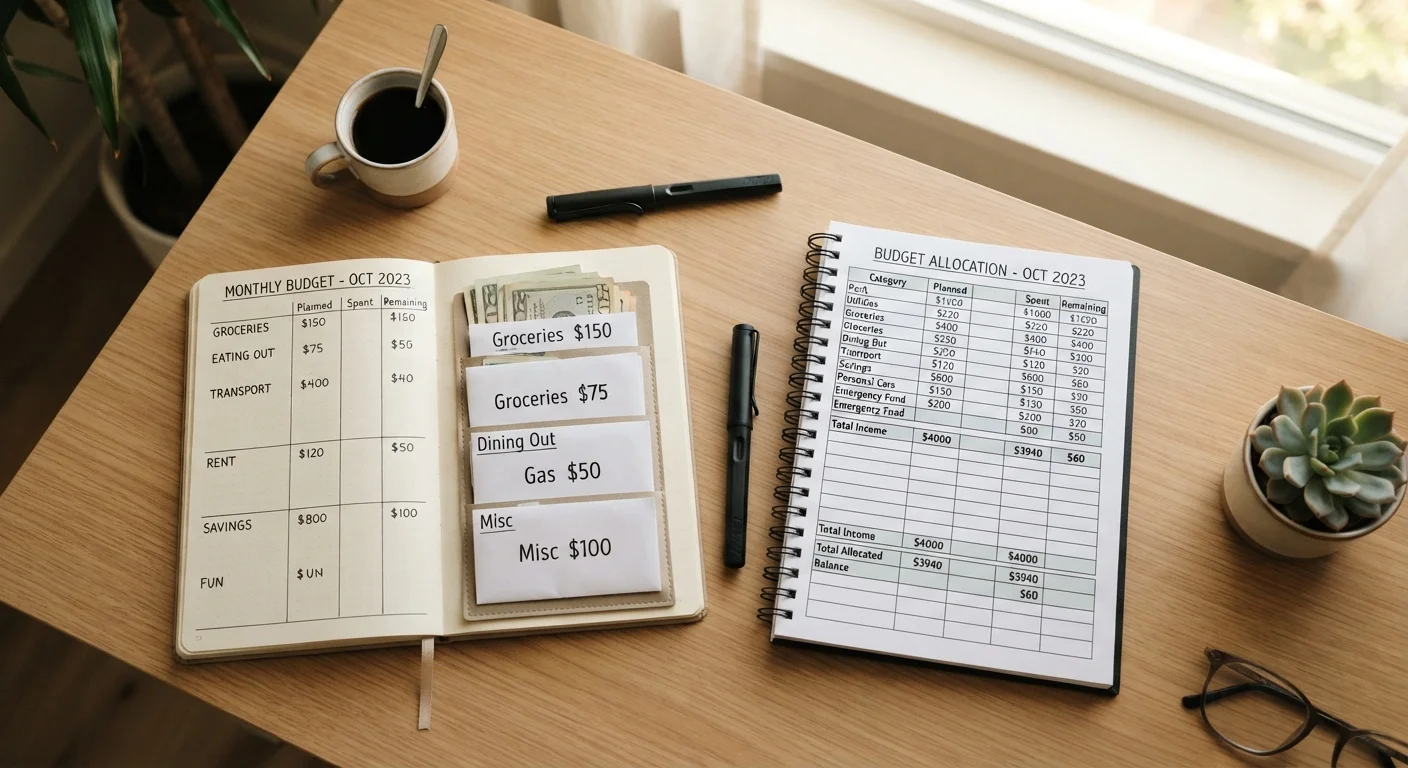
The envelope method is more tactile. You withdraw cash at the start of the month and divide it into labeled envelopes — one for groceries, one for gas, one for dining out, and so on. When an envelope is empty, spending in that category stops for the month. Digital versions using separate bank accounts or prepaid cards follow the same logic without physical cash.
| Criterion | Zero-Based Budgeting | The Envelope Method |
|---|---|---|
| Core mechanic | Allocate every dollar on paper | Divide cash into spending envelopes |
| Spending enforcement | Self-directed discipline | Physical cash limit |
| Covers fixed expenses | Yes — all categories included | Partial — works best for variable spending |
| Works with digital tools | Yes — apps and spreadsheets | Requires adaptation (sub-accounts, prepaid cards) |
| Setup effort | Higher — rebuilt each month | Lower — straightforward cash allocation |
| Best for irregular income | Yes — flexible monthly reset | Less straightforward to adjust mid-month |
| Beginner-friendly | Moderate — more moving parts | High — intuitive and visual |
Where They Differ in Practice
The core difference is how each method creates accountability. Zero-based budgeting lives on paper or in a spreadsheet — it's a planning tool that requires discipline to follow voluntarily. The envelope method enforces limits automatically through resource scarcity: you literally cannot spend money you don't have in the envelope.
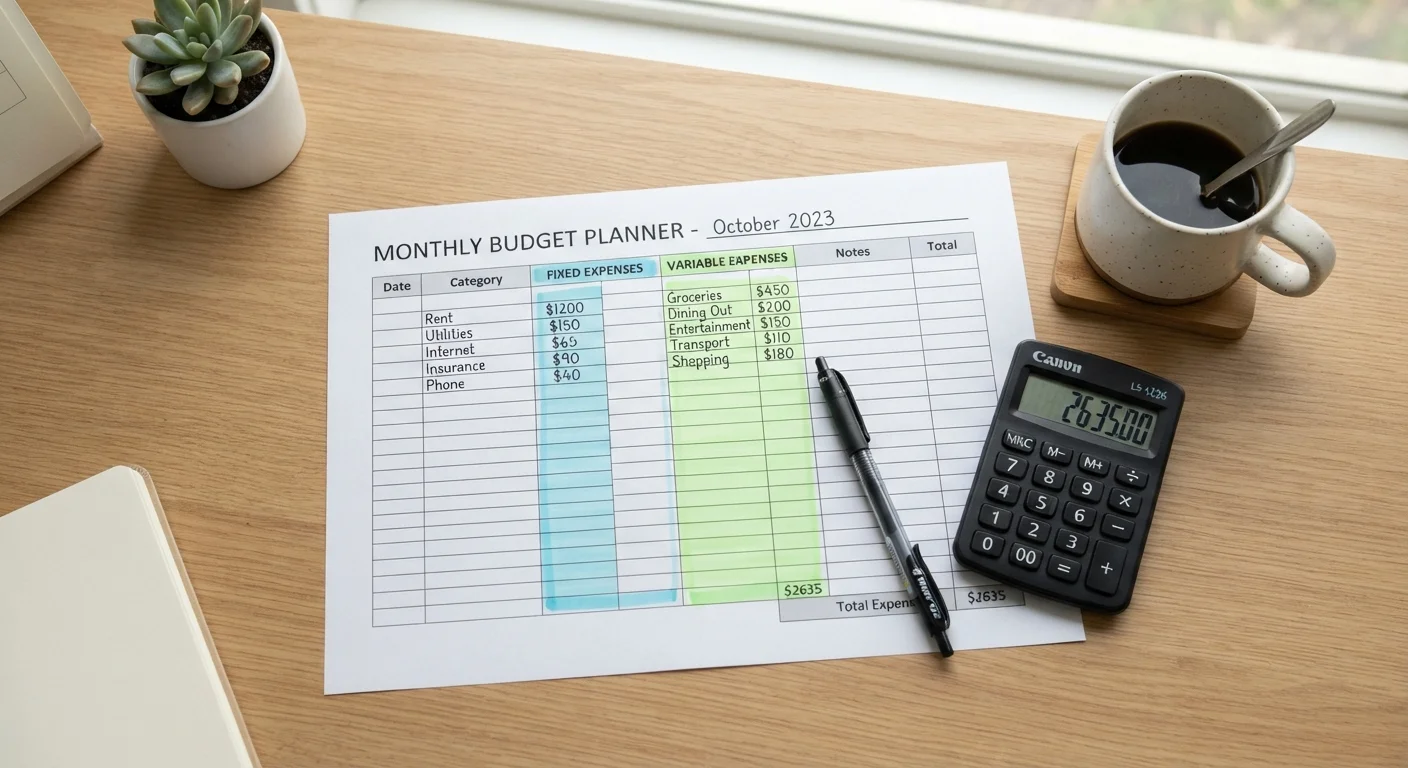
Understanding your fixed versus variable expenses matters more for the envelope method, since fixed bills like rent aren't practical to pay in cash. Most people using envelopes apply the system only to variable, discretionary categories.
Zero-based budgeting, by contrast, covers every expense category in one unified plan — fixed bills, variable spending, savings contributions, and emergency fund deposits all get a line. This makes it more complete but also more time-intensive to set up and maintain each month.
~33%
Americans with a detailed monthly budget
Gallup polling has consistently found that roughly one in three Americans reports following a detailed household budget.
12–18%
Spending reduction when using cash vs. cards
Multiple consumer behavior studies have found people tend to spend measurably less when using cash rather than credit or debit cards.
Strengths, Weaknesses, and Who Each Suits
Zero-based budgeting's greatest strength is total financial visibility. It forces you to confront every spending decision on paper before the month begins, which can reveal patterns — like how much is quietly going to subscriptions — that other methods miss. Its weakness is the setup time: rebuilding a detailed budget monthly takes real effort, especially for households with complex or variable finances.
The envelope method's strength is behavioral simplicity. Research in behavioral economics consistently shows that paying with cash reduces spending compared to cards, because handing over physical money feels more immediate. Its weakness is practicality — online bills, automatic payments, and card-only merchants don't fit naturally into a cash envelope system.
If you've struggled with budgeting before, it's worth checking whether a common budgeting myth is part of what made it feel impossible. Many people abandon methods not because the method is wrong, but because their expectations were unrealistic from the start.
You Don't Have to Choose Just One
Some households combine elements of both methods — using zero-based budgeting for the overall monthly plan and envelope-style sub-accounts for high-risk spending categories like dining and entertainment. Hybrid approaches can capture the planning depth of ZBB and the behavioral guardrails of envelope budgeting. See how different frameworks stack up in our budgeting frameworks comparison.
This article is for general informational purposes only and does not constitute personalized financial advice. Consider speaking with a qualified financial professional for guidance tailored to your situation.