Why Body Language Matters More Than You Think
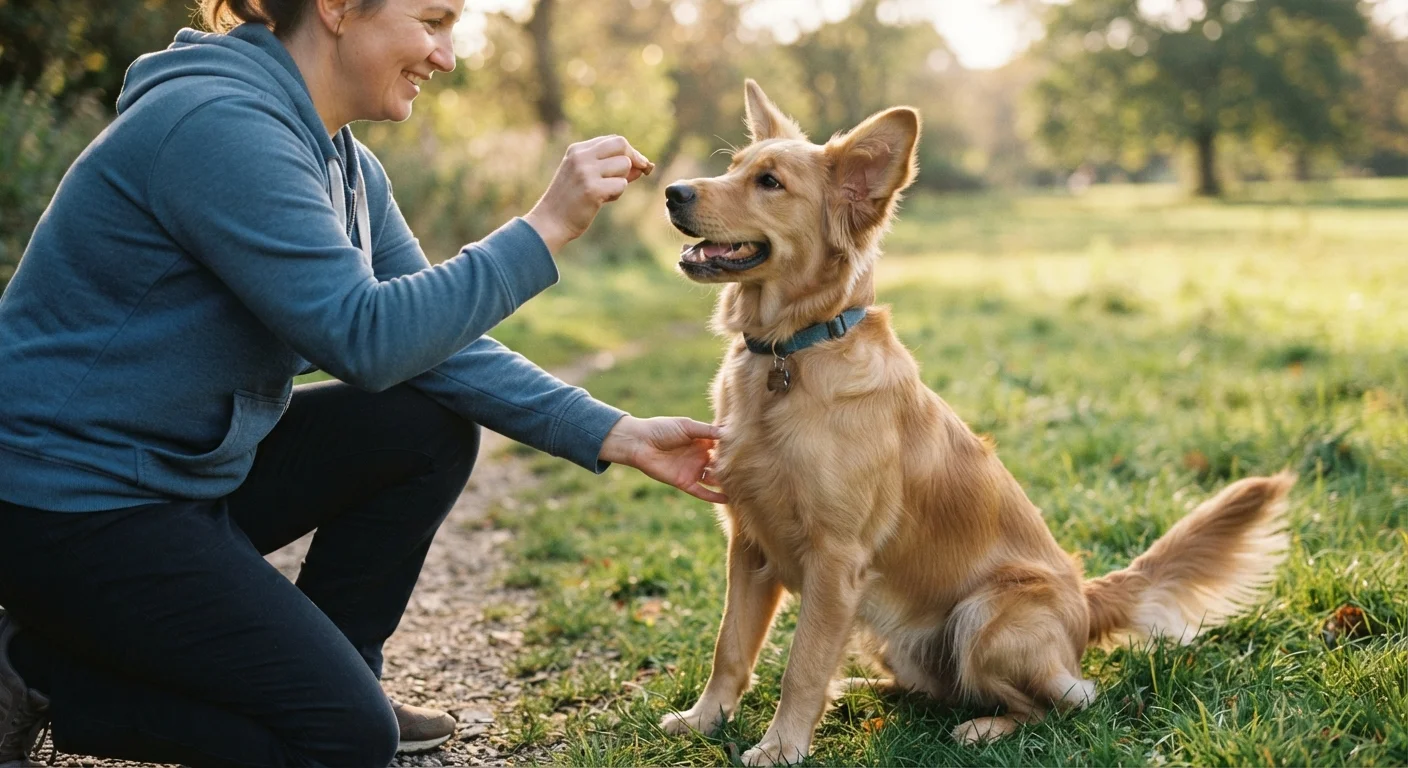
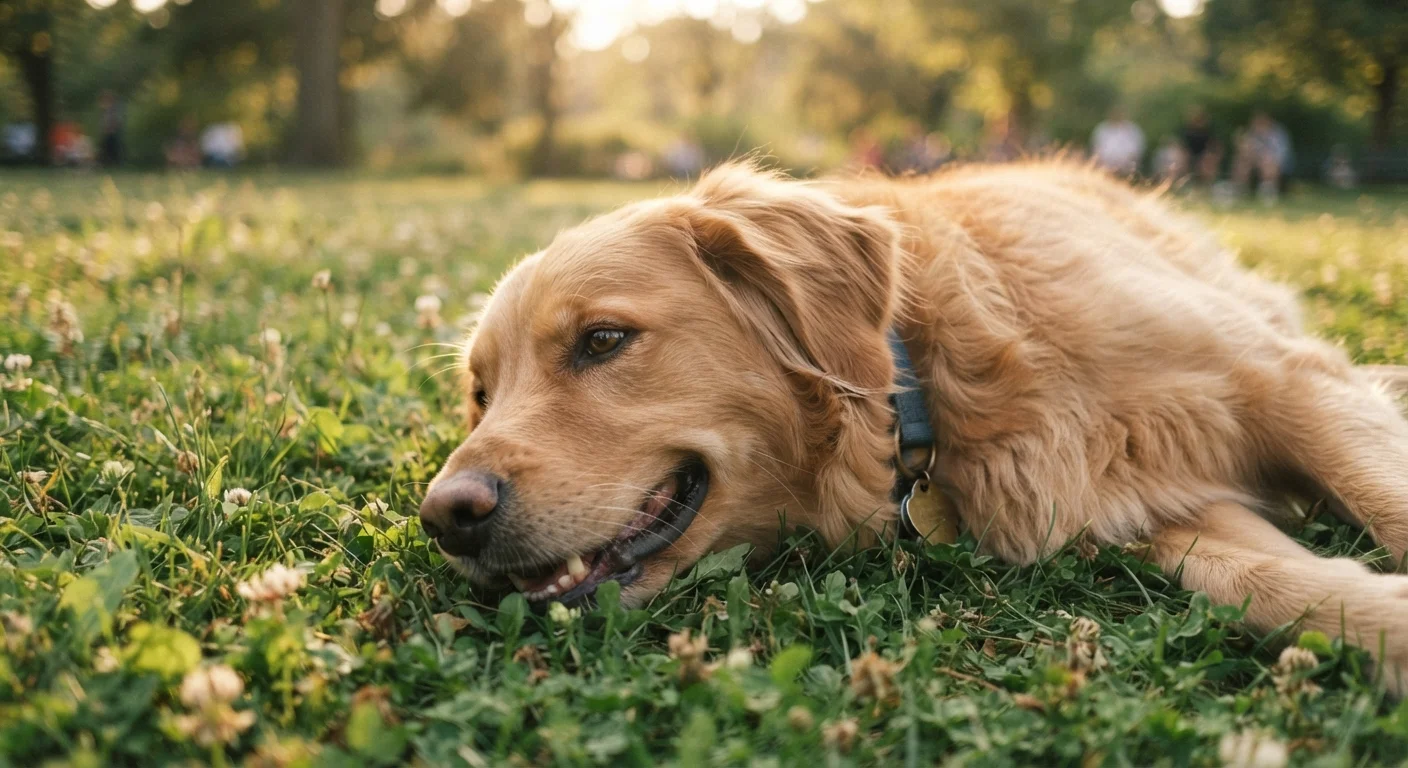
Dogs communicate almost entirely through body language. Unlike humans, they can't tell you when they're stressed, overstimulated, or feeling playful — they show you. Learning to read those signals accurately is one of the most practical skills any dog owner can develop, and it forms the foundation of positive, evidence-based training.
Misreading signals is surprisingly common. A wagging tail is often assumed to mean happiness, but tail position and speed tell a more nuanced story. Equally, a dog showing its teeth isn't always threatening — context is everything. This guide breaks down the most reliable cues across four areas: posture, facial expressions, tail signals, and calming behaviors.
If you want to go further with what these signals mean for your training relationship, see Signs Your Pet Is Thriving in Training — Not Just Complying for a deeper look at engagement versus compliance.
Calming signal
A behavior a dog uses to reduce tension or communicate non-threat, such as yawning, ground-sniffing, or looking away. These signals are directed at both people and other dogs.
Whale eye
When the white of a dog's eye (the sclera) is clearly visible, usually because the dog is turning its head away while keeping its gaze fixed. It signals stress or discomfort.
Play bow
A posture where the dog lowers its front end to the ground while keeping its rear elevated. It's a clear, positive invitation to engage in play.
Arousal
A state of heightened excitement or alertness in a dog. Arousal is not inherently aggressive but can escalate into reactivity if the dog isn't given appropriate outlets or space.
Appeasement behavior
Actions a dog takes to signal submissiveness or non-aggression toward a perceived threat, such as rolling onto its back or lowering its body and avoiding eye contact.
Posture, Tail, and Facial Signals: A Quick Reference
Use this section as a lookup guide when you observe a specific behavior and want to understand what it likely means.
| Primary communication channel for dogs | Body language (posture, facial expression, tail position) (American Veterinary Society of Animal Behavior) |
| Calming signals identified by researchers | 30+ documented behaviors (Turid Rugaas, On Talking Terms with Dogs) |
| Tail wag height significance | Higher = more arousal; lower = more fear or submission (Veterinary behavioral consensus) |
| Most misread signal | Tail wagging (often assumed to always mean friendly) (Applied Animal Behaviour Science literature) |
| Context rule | Read signal clusters, not individual cues in isolation (ASPCA Animal Behavior guidance) |
Posture
- Loose, wiggly body: Relaxed and comfortable. The dog feels safe in its environment.
- Crouching low, weight shifted back: Fear or submission. May be accompanied by a tucked tail.
- Weight forward, stiff legs: Arousal or assertiveness. Could escalate — give the dog space.
- Play bow (front end down, rear up): An invitation to play. One of the clearest positive signals a dog gives.
- Freezing completely still: High alert or conflict. Often precedes a reaction — proceed carefully.
Tail Signals
- Mid-height, slow wag: Relaxed interest or mild greeting.
- Low, fast wag or tucked tail: Anxiety, fear, or submission.
- High, stiff, slow wag: Arousal or tension — not a friendly signal despite the wagging.
- Broad, sweeping wag at mid-height: Genuine happiness and positive engagement.
Facial Expressions
- Soft eyes, relaxed brow: Calm and content.
- Hard stare, unblinking: A challenge or threat signal. Avoid direct eye contact in return.
- Whale eye (white of eye visible): Stress or discomfort — the dog wants distance.
- Yawning when not tired: A calming signal; the dog is trying to reduce tension in a situation.
- Lip licking without food present: Anxiety or mild stress. Watch for repeated occurrences.
- Panting without exercise or heat: Can indicate stress. Also worth checking with a vet if frequent — see Signs Your Pet May Be in Pain for related cues.
Calming Signals
Norwegian dog trainer and behaviorist Turid Rugaas identified a category of behaviors she called calming signals — actions dogs use to de-escalate tension with other dogs or people. Common examples include turning the head away, sniffing the ground suddenly, moving in a curve rather than straight toward another dog, and blinking slowly. Recognizing these helps you understand when your dog is uncomfortable, even if it's not showing obvious distress.
When to Consult a Professional
If your dog displays frequent stress signals, aggression, or behaviors you can't interpret confidently, consult a certified applied animal behaviorist (CAAB) or a board-certified veterinary behaviorist (DACVB). Some behavioral changes — especially sudden ones — can have medical causes and warrant a veterinary checkup before any training intervention begins.
Reading Clusters, Not Single Signals
The most important rule in canine body language: never read one signal in isolation. A tucked tail paired with a crouching body and averted eyes paints a clear picture of fear. The same tucked tail during vigorous play with a familiar dog likely means something entirely different.
Always observe the full picture — ears, eyes, mouth, tail, posture, and the environment — before drawing conclusions. This cluster-based approach is emphasized consistently in veterinary behavioral guidelines and reduces the risk of misinterpreting a dog's emotional state.
For broader context on your dog's overall wellbeing, the Pet Health & Care hub covers health and behavioral topics side by side — because the two are closely connected. A dog in chronic pain, for example, may display anxiety signals that look purely behavioral until the underlying discomfort is addressed.
This article provides general educational information about canine behavior and is not a substitute for professional advice from a certified veterinary behaviorist or accredited dog trainer.