The Engine Behind Online Learning
If you've ever enrolled in an online course and logged in to find video lessons, reading materials, discussion boards, and a quiz - all neatly organised - you've already used a Learning Management System. The LMS is the software layer that makes structured digital learning possible.
Think of it less like a classroom and more like a classroom building: it provides the rooms, the schedules, the grade book, and the communication channels. The actual instruction still depends on the course designer and instructor, but the LMS is what holds everything together in an accessible, trackable format.
For a broader look at how these concepts fit into online education overall, the comprehensive guide to self-directed online learning offers useful context.
~90%
Higher education institutions using an LMS
Research from Educause has consistently found that the vast majority of colleges and universities in the US rely on LMS platforms to support course delivery.
$28B+
Global LMS market value (projected)
Industry analysts project the global LMS market to exceed $28 billion in value in the coming years, reflecting widespread adoption across corporate, K-12, and higher education sectors.
70%
Learners who prefer on-demand content access
Studies on online learner preferences frequently report that the majority of learners value the ability to access course content on their own schedule - a core feature LMS platforms enable.
What an LMS Actually Contains
From a learner's perspective, an LMS typically includes several core components:
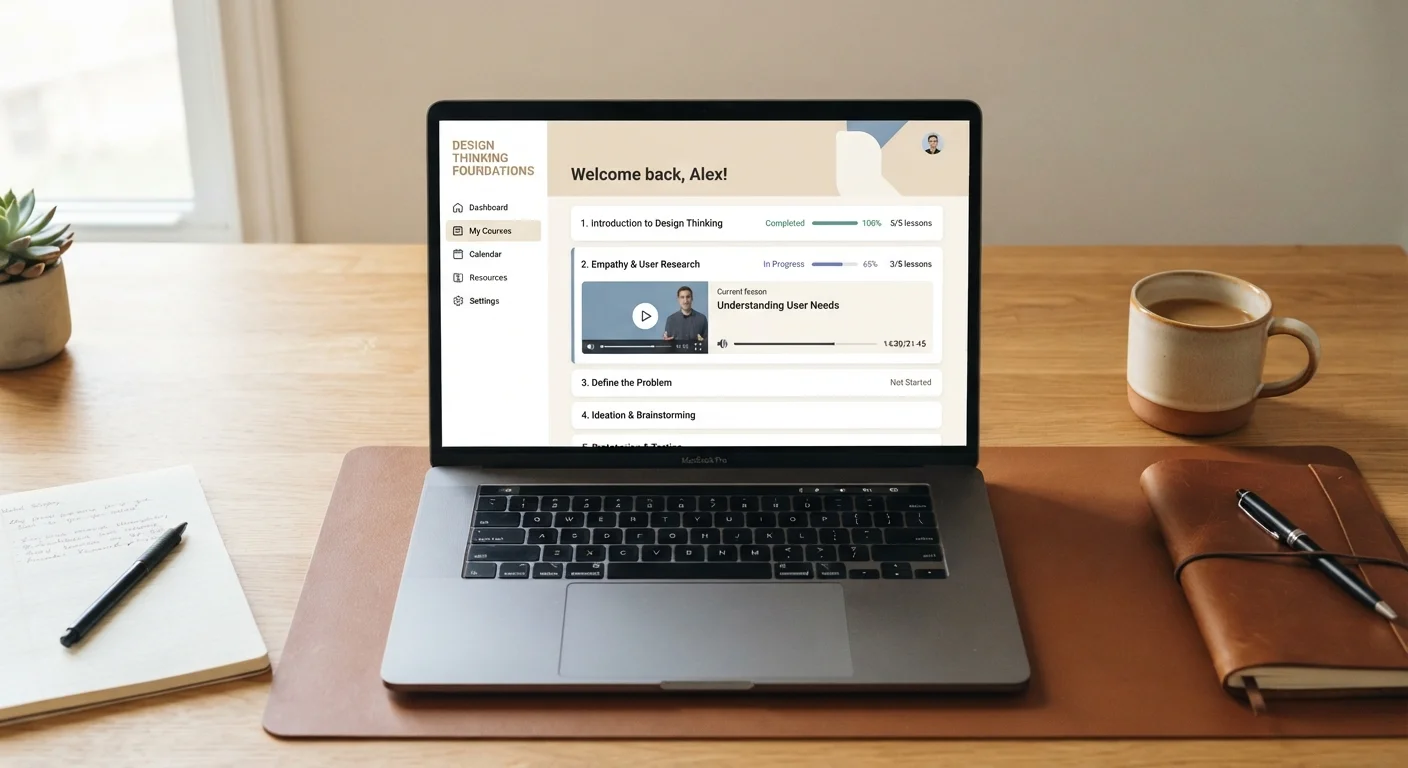
- Course content: Videos, readings, slides, or interactive modules organised into units or modules.
- Assessments: Quizzes, tests, and assignments that measure comprehension and progress.
- Progress tracking: Dashboards showing what you've completed, what's pending, and how you're scoring.
- Communication tools: Discussion forums, direct messaging, or announcement boards from instructors.
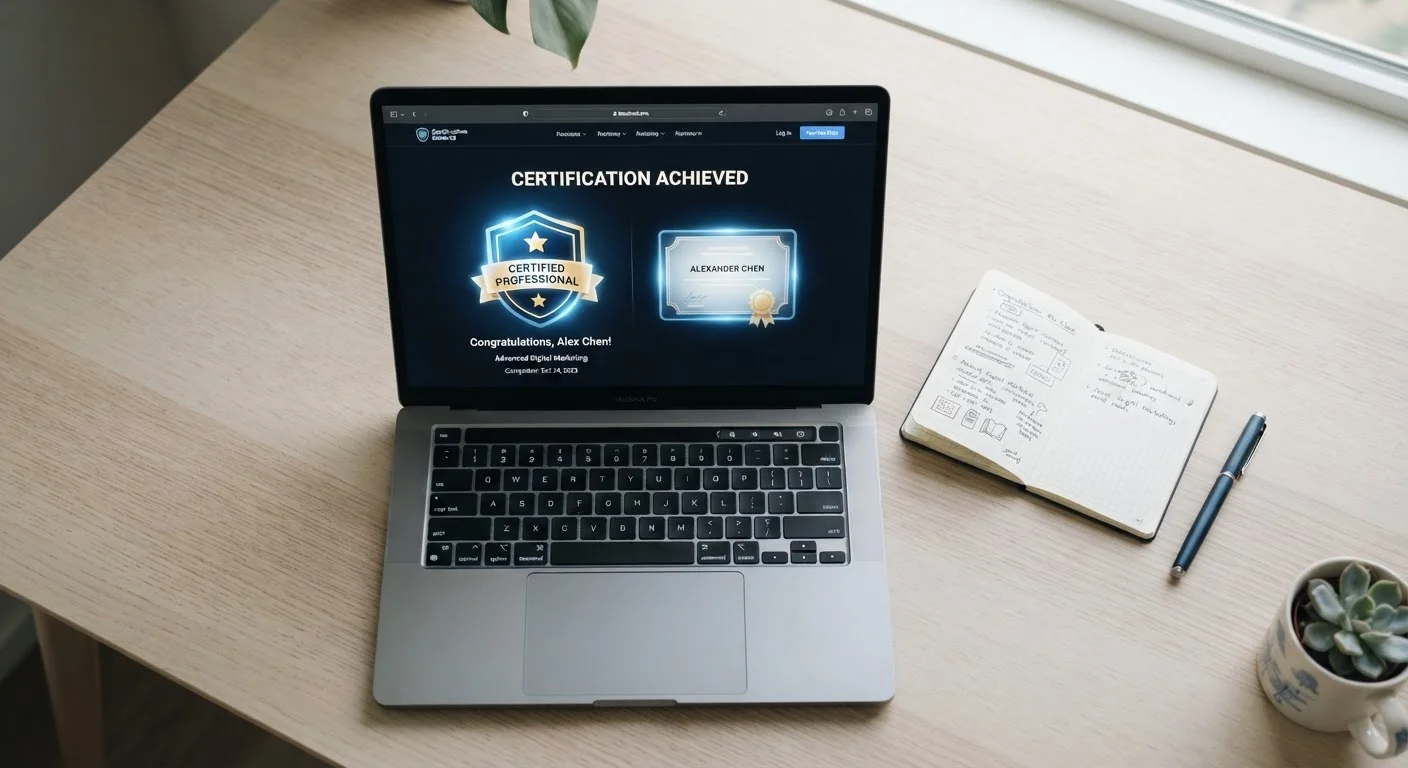
- Certificates and credentials: Automated completion certificates, which are increasingly linked to digital badges and micro-credentials.
These features exist in varying forms across platforms, but the underlying function remains the same: organise learning into a navigable, measurable experience.
How Course Structure Shapes Your Experience
The way a course is built inside an LMS directly affects how you learn. A well-structured course guides you through material in a logical sequence, uses assessments to reinforce understanding, and provides feedback at key points. A poorly structured one can feel disjointed or overwhelming - and that's rarely about the LMS itself, but about how the course content was designed within it.
One important structural variable is whether a course is self-paced or instructor-led. In a self-paced course, the LMS unlocks all content immediately and tracks your progress as you go. In an instructor-led course, the LMS may release content weekly and use deadline features to keep cohorts in sync. Understanding this distinction matters - see self-paced vs. instructor-led online courses for a detailed breakdown.
Similarly, an LMS can support both synchronous learning (live sessions, real-time chat) and asynchronous formats (recorded video, discussion boards with open timelines). The differences between synchronous and asynchronous learning help clarify which setup suits different learners.
Explore Your LMS Before the Course Starts
Most platforms let you access the course shell before content is officially released. Spend 15-20 minutes clicking through menus, locating the syllabus, and finding the discussion forum. Knowing where things live before you need them reduces friction when the learning actually begins.
Why This Matters to You as a Learner
Understanding what an LMS does - and what it doesn't do - helps you approach online learning more strategically. The platform won't automatically motivate you, pace you, or fill gaps in your understanding. But it does give you tools to monitor your own progress, revisit material, and connect with instructors when you need to.
If you encounter a course that feels disorganised, it's worth asking whether the issue is the LMS interface or the course design itself. Many learners conflate the two, abandoning a subject when the real friction is navigational. Familiarising yourself with common online learning terminology can reduce that confusion significantly.
Ultimately, the LMS is a tool - one that can support meaningful learning when paired with well-designed content and a clear sense of what you want to achieve. Matching the right format to your goals is a skill in itself, and matching learning formats to your goals is a useful next step in developing it.