
How Reading Develops: A Stage-by-Stage Overview
Reading is not a single skill - it is a progression of interconnected abilities that build on each other over many years. Research in literacy development consistently identifies several broad stages children move through, from recognizing letters and sounds to reading complex texts with deep comprehension. Understanding these stages helps parents and educators offer the right support at the right time - and recognize when a child may need additional help.
Keep in mind that these milestones describe typical development ranges, not rigid cutoffs. Children develop at different rates, and variation is normal. If you have consistent concerns about your child's progress, consulting a reading specialist or pediatric professional is always worthwhile. You may also find it helpful to read why children learn differently, which explores how cognitive differences shape learning across all subjects.
Ages 4-6: Phonemic Awareness and Early Decoding
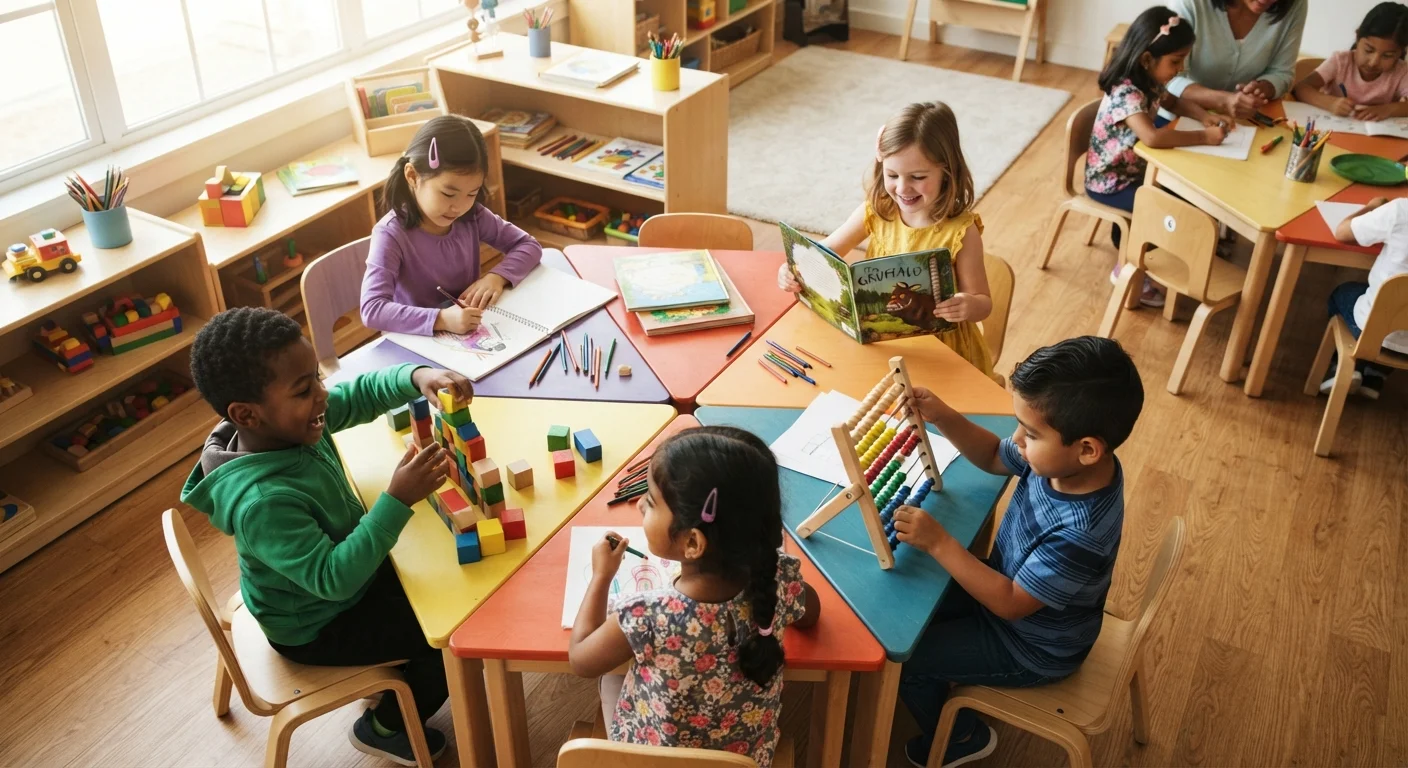
At this stage, children are learning that spoken words are made up of individual sounds - a skill called phonemic awareness. They begin connecting those sounds to letters (the alphabetic principle) and start blending sounds to read simple, short words like cat, sit, and hop.
Typical milestones for ages 4-6:
- Recognizes most uppercase and lowercase letters
- Understands that print moves left to right and top to bottom
- Can identify and produce rhymes
- Begins sounding out three-letter words (consonant-vowel-consonant patterns)
- Reads a small set of high-frequency sight words (e.g., the, and, is)
- Retells the main events of a simple story read aloud
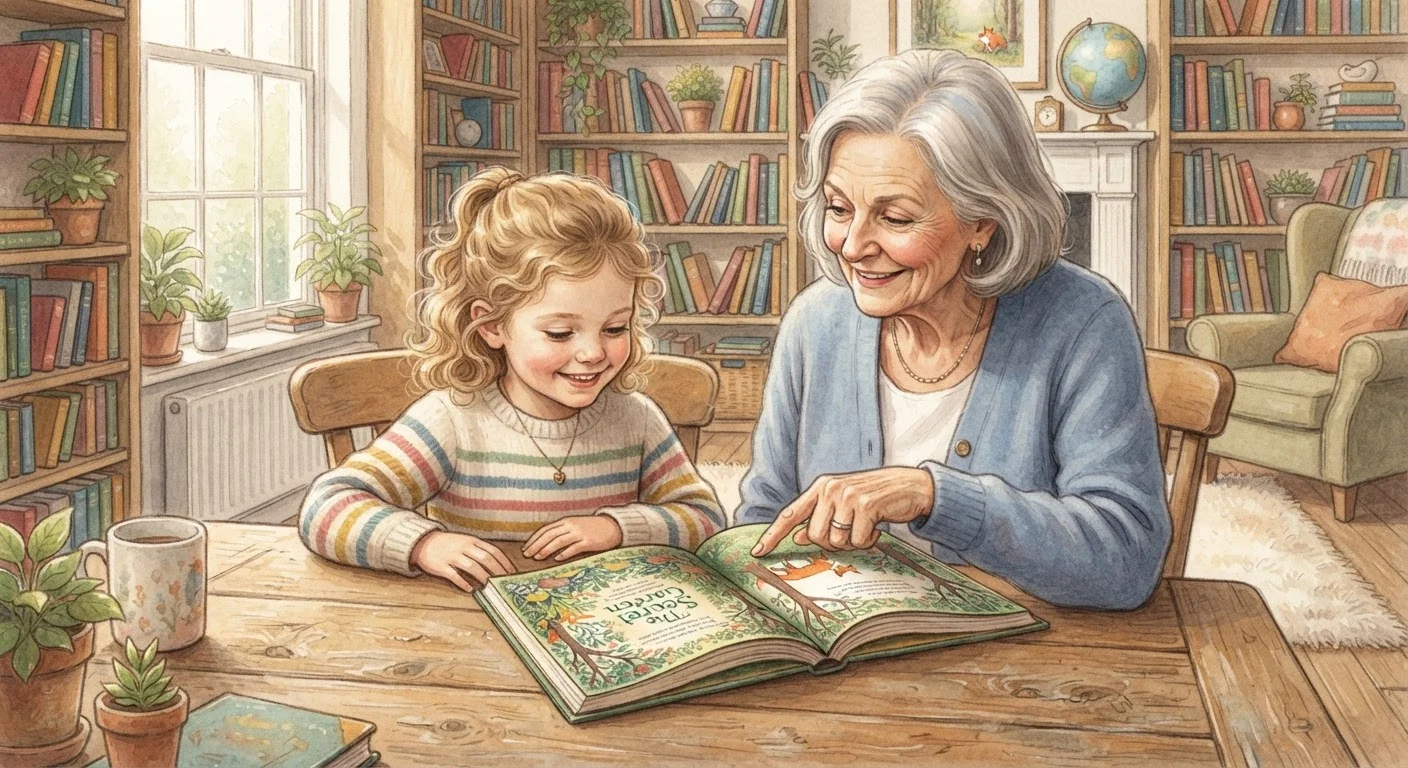
Reading aloud together daily is one of the most evidence-supported practices at this age. Pointing to words as you read builds print awareness without formal drilling.
Ages 6-8: Decoding Expands, Fluency Begins
Children in early primary grades shift from learning to read toward reading with more confidence. Phonics patterns become more complex - blends, digraphs, long vowel patterns - and reading speed gradually increases as more words become automatic.
Typical milestones for ages 6-8:
- Decodes multi-syllable words using known patterns
- Reads simple books with growing fluency (fewer pauses and sounding-out attempts)
- Understands basic story elements: character, setting, problem, and solution
- Begins reading independently for short periods
- Makes simple inferences from text (e.g., predicting what happens next)
Phonemic awareness
The ability to hear and manipulate individual sounds (phonemes) in spoken words. It is a foundational pre-reading skill developed before formal reading instruction begins.
Decoding
The process of using knowledge of letter-sound relationships to read unfamiliar words. It is a core component of phonics-based reading instruction.
Fluency
Reading aloud accurately, at an appropriate pace, and with expression. Fluent readers do not need to work hard to decode individual words, freeing mental resources for comprehension.
Sight words
High-frequency words that children are taught to recognize automatically without sounding them out, such as 'the,' 'said,' and 'because.' Many are irregular in spelling.
Comprehension
Understanding the meaning, purpose, and implications of what is read. It includes skills like making inferences, identifying main ideas, and analyzing an author's intent.
Alphabetic principle
The understanding that letters and letter combinations represent spoken sounds. Grasping this principle is essential for both reading and spelling development.
If a child at this stage is still struggling significantly with basic decoding, it is worth exploring whether additional support is needed. The article supporting a child who struggles with reading offers practical, evidence-informed strategies for exactly this situation.
Ages 8-12: Fluency, Comprehension, and Reading to Learn
By the middle primary years, most children have cracked the code of reading mechanics. The focus shifts substantially toward comprehension - understanding what text means, not just what it says. Vocabulary grows rapidly, and children begin engaging with nonfiction, longer chapter books, and varied genres.
Typical milestones for ages 8-10:
- Reads grade-level text smoothly with appropriate expression
- Identifies main idea and supporting details in nonfiction passages
- Understands figurative language such as similes and metaphors
- Summarizes texts in their own words
Typical milestones for ages 10-12:
- Reads longer, more complex texts across subject areas
- Analyzes an author's purpose and point of view
- Compares information across multiple texts
- Uses context clues to determine the meaning of unfamiliar words
- Reads independently for sustained periods with strong comprehension
Everyday activities - reading menus, instructions, or news stories together - reinforce these skills naturally. For ideas, see learning outside the classroom. As children approach age 12, strong reading skills also become critical preparation for secondary school transitions - a topic covered in detail at preparing your child for the move to secondary school.