
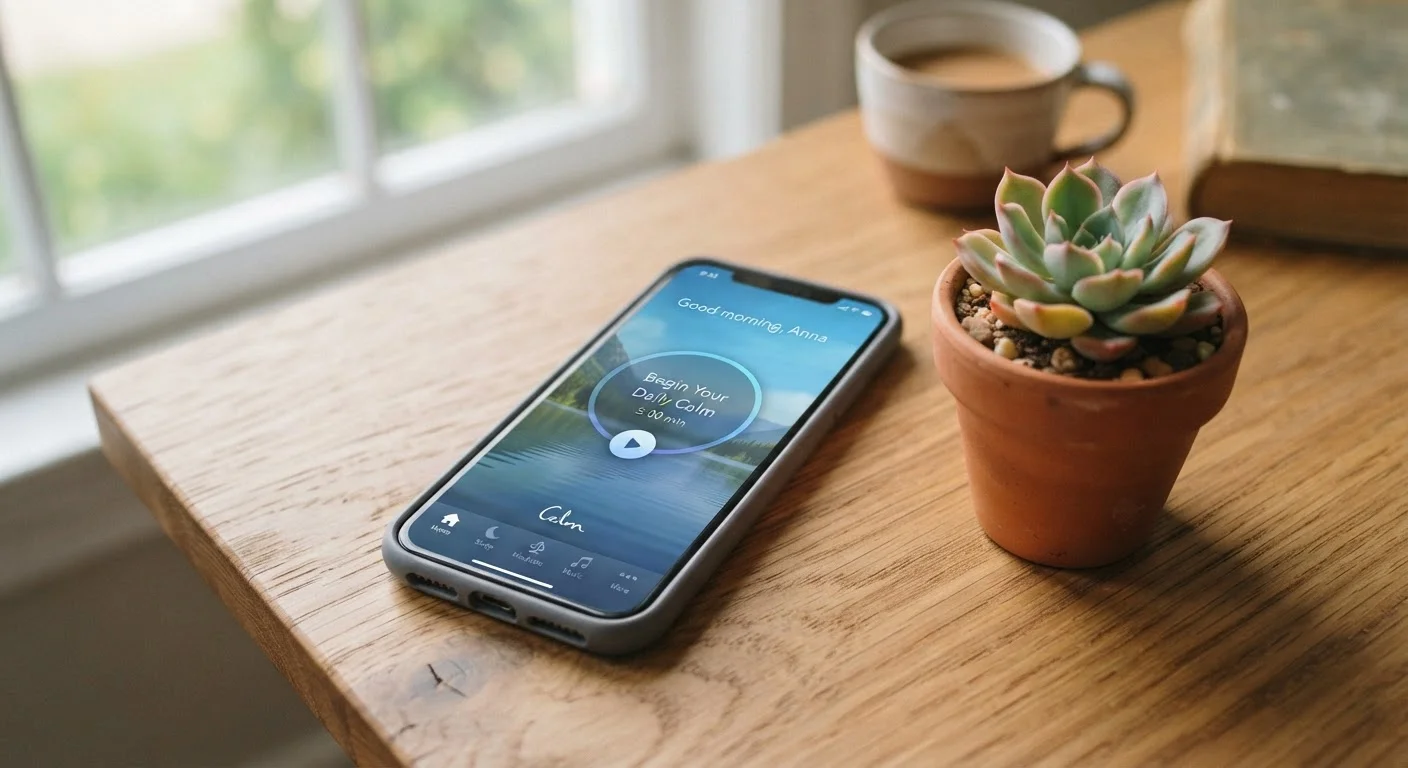
Why So Many People Are Turning to Wellness Apps
In the past decade, mental wellness apps - covering meditation, mood journaling, sleep support, and anxiety management - have gone from niche curiosities to mainstream tools used by millions. Their appeal is straightforward: they live on a device most people already carry, they're available at any hour, and many are free or low cost. For someone who has never tried mindfulness before, or who isn't sure where to start with self-care, an app can feel like a gentle, private entry point.
Understanding what these tools genuinely offer - and where they fall short - helps you make a more informed choice about your own mental wellness routine. This article provides a balanced look at both sides. For a broader foundation on mental health concepts, see our practical mental wellness guide.
This article is for general informational purposes only and is not a substitute for professional mental health advice, diagnosis, or treatment. Always consult a qualified healthcare provider for personal mental health concerns.
The Genuine Upsides
Mental wellness apps do offer real value in specific contexts. Here's what the evidence and user experience most consistently support:
Available anytime, without scheduling or waiting
Unlike therapy or coaching, an app is accessible at 2 a.m. during a sleepless night or during a lunch break. For people in rural areas or with limited schedules, this availability matters.
Low or no cost lowers the access barrier
Many apps offer free core features, making basic tools like guided breathing or mood journaling accessible to people who cannot afford regular therapy sessions.
Can support consistent habit formation
Features like daily reminders, streaks, and short session formats are specifically designed to help users build small, repeatable routines - which research suggests is foundational to lasting behavior change.
Private, stigma-reducing entry point
Exploring mental wellness practices through an app requires no disclosure to others, which can feel safer for someone new to the topic or in a community where mental health carries stigma.
Introduces evidence-informed techniques
Many reputable apps are built around cognitive behavioral techniques, mindfulness-based stress reduction, or sleep hygiene principles - approaches with meaningful support in published research.
10,000+
Mental health apps available in major app stores
Estimates from health technology researchers suggest tens of thousands of mental health-related apps exist, with quality and evidence bases that vary dramatically.
~50%
Users who stop engaging within a month
Research published in health informatics journals consistently finds that roughly half of mental health app users disengage within the first few weeks of download.
Beyond convenience, apps can also reduce the stigma barrier. Exploring a breathing exercise or mood log in private - without scheduling an appointment or explaining yourself to anyone - feels lower-stakes for many people. That reduced friction can be enough to build a habit that sticks. It's worth pairing this with honest reflection on whether your habits are working as intended; common self-care mistakes are easy to overlook.
The Real Limitations You Should Know
The same features that make apps accessible also create meaningful gaps. Being aware of these helps you avoid over-relying on a tool that isn't designed to handle every situation.
Cannot diagnose or treat clinical conditions
Apps are not regulated as medical devices in most cases and are not equipped to address conditions like major depression, anxiety disorders, or trauma. Relying on one for serious symptoms can delay appropriate professional care.
Research support is uneven across apps
While some app categories have solid research backing, many individual apps on the market have limited or no independent clinical validation. Marketing claims often outpace the evidence.
Privacy and data security risks exist
Mental health data is sensitive. App data-sharing policies vary widely, and some platforms share user information with third parties for advertising purposes - something users may not anticipate when logging personal thoughts or moods.
Lacks the human connection central to healing
Therapy and peer support work in part because of the relationship itself. An app cannot replicate attunement, empathy, or the experience of being genuinely understood by another person.
Risk of passive substitution for real support
Using an app can create a sense of 'doing something' that makes it easier to defer seeking help that would actually be more beneficial. This passive substitution effect is subtle but worth watching for.
Engagement typically drops off quickly
Studies on digital health tools consistently find that user engagement declines significantly within the first few weeks. An app you stop using provides no ongoing benefit.
When to Go Beyond an App
If you are experiencing persistent sadness, anxiety that interferes with daily functioning, thoughts of self-harm, or symptoms that feel beyond ordinary stress, please reach out to a qualified mental health professional. Apps are not designed for - and cannot safely address - mental health crises or clinical conditions. In an emergency, contact a crisis line or emergency services in your area.
It's also worth questioning whether popular app features align with your actual needs. Some people discover that what felt like helpful self-care was quietly reinforcing avoidance or unhelpful thought patterns. Self-care myths are worth examining before you invest significant time in any routine.
How to Use Apps Wisely
The most productive way to think about wellness apps is as one component of a broader approach to mental health - not as a standalone solution. A few practical principles:
- Match the tool to the need. Apps tend to work well for habit-building (daily breathing, gratitude journaling, sleep hygiene). They are not equipped to manage clinical conditions like depression, anxiety disorders, PTSD, or grief.
- Check privacy practices. Before entering personal mental health data, review what data the app collects, how it's stored, and whether it's shared. Policies vary substantially.
- Watch for passive substitution. If app use is replacing meaningful social connection or professional support you actually need, that's worth reflecting on. Research consistently links strong social bonds with emotional resilience - see what the research says about social connection.
- Treat it as a starting point. If an app introduces you to mindfulness or mood awareness and you find it helpful, that's a genuine win. If your needs grow beyond what it offers, let that signal direct you toward professional support.
Just as people weigh the trade-offs of different tools in other areas of life - online learning versus traditional study, for example - the same honest appraisal applies here. No tool is universally right; the question is whether it fits your specific situation.