
Why Human Connection Is More Than a Nice-to-Have
For most of human history, belonging to a group wasn't optional - it was survival. Modern life has changed the structure of our social worlds dramatically, but our nervous systems haven't caught up. The research on social connection and mental health makes one thing clear: our need for meaningful relationships is deeply biological, not sentimental.
Decades of studies - including large-scale meta-analyses - have found that social isolation and loneliness are associated with significantly elevated risks of depression, anxiety, cognitive decline, and even earlier mortality. A widely cited analysis by researchers Julianne Holt-Lunstad and colleagues found that low social connection was associated with health risks comparable in size to other well-established risk factors. This isn't about personality type or preference. It reflects how human biology responds to perceived isolation.
Importantly, the research distinguishes between being alone and feeling lonely. Solitude - chosen, temporary time alone - can be restorative. Chronic loneliness, defined as a persistent gap between the social connection a person wants and what they actually experience, is what carries the most significant mental health costs.
~50%
Increased mortality risk linked to social isolation
A meta-analysis by Holt-Lunstad and colleagues found that inadequate social connection was associated with roughly a 50% increased likelihood of early mortality across the studies reviewed.
3 in 5
U.S. adults reporting loneliness
A 2020 Cigna survey found that three in five American adults reported feeling lonely, with younger adults reporting some of the highest rates despite being highly digitally connected.
148%
Greater survival odds with stronger social relationships
Holt-Lunstad's 2010 meta-analysis of 148 studies found individuals with adequate social relationships had 148% greater odds of survival compared to those with poor or insufficient social connection.
What Makes Connection Protective?
Not all social interaction carries equal weight. Research consistently shows that the quality of relationships is a stronger predictor of mental well-being than sheer quantity. A person with hundreds of acquaintances but no one they trust deeply may feel lonelier than someone with a small but close-knit circle.
What tends to matter most is the sense that others truly understand you, that support would be available in a crisis, and that your relationships feel reciprocal rather than one-sided. These qualities activate what psychologists call perceived social support - and this perception alone appears to buffer against stress and mood disturbance, even when the support hasn't actually been called upon.
Shared activities and routines also play a role. Regular rituals - a weekly walk with a friend, a standing dinner with family - create what researchers call "social anchors," predictable touchpoints that reduce uncertainty and reinforce a sense of belonging. Over time, consistency in small interactions often builds the kind of trust that deeper connection depends on.
“Loneliness and weak social connections are associated with a reduction in lifespan similar to that caused by smoking 15 cigarettes a day, and even greater than that associated with obesity.”
— Julianne Holt-Lunstad, Professor of Psychology and Neuroscience, Brigham Young University; researcher on social connection and health
Digital Connection: Helpful Bridge or Hollow Substitute?
The rise of digital communication has reshuffled how people maintain relationships, especially across distance. The evidence on whether online interaction supports mental well-being is genuinely mixed - and nuanced.
When digital tools enable meaningful, emotionally engaged exchanges - video calls with close family, text threads that sustain real friendships - they appear to carry genuine connective value. The problem tends to arise with passive online behavior: scrolling through others' highlight reels without genuine interaction, which research associates with increased social comparison and lower mood.
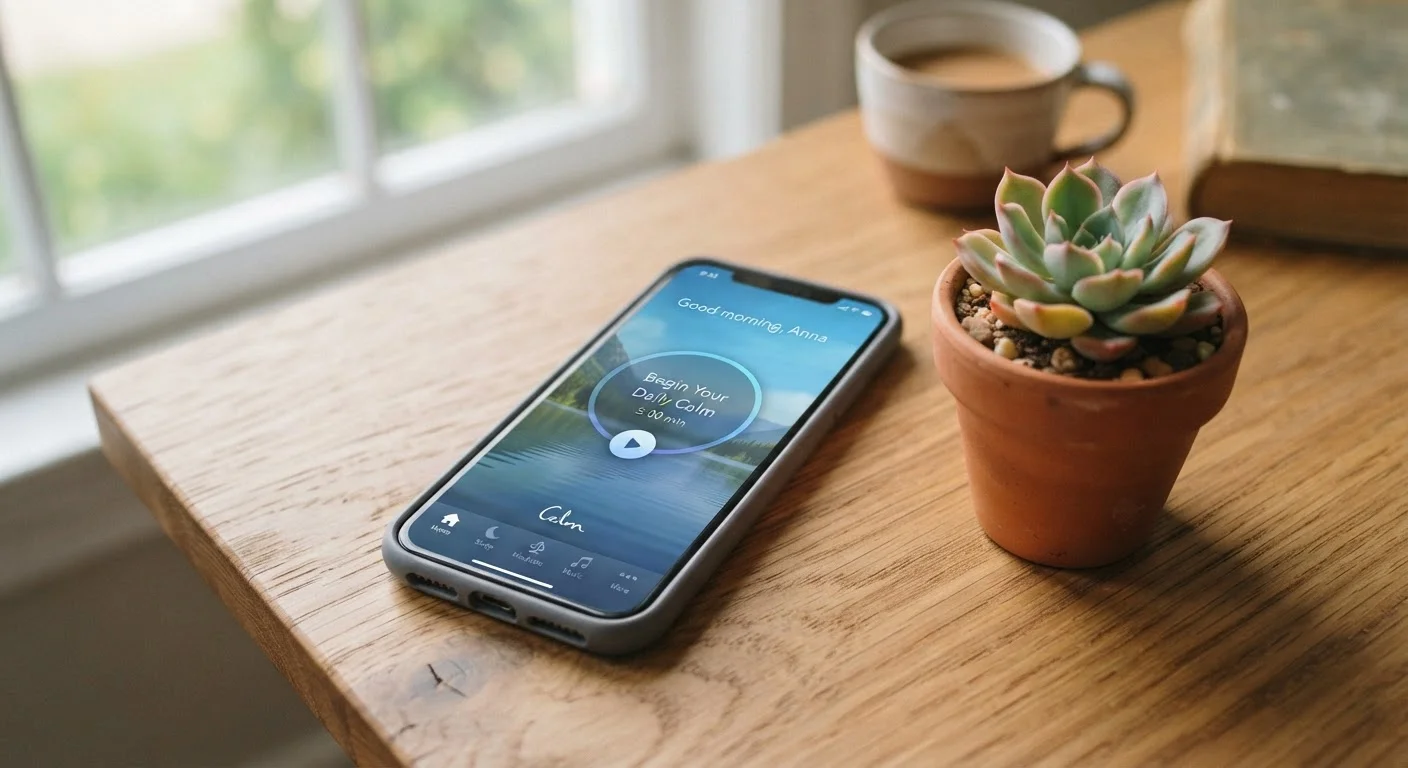
A useful frame: ask whether a given digital interaction leaves you feeling more or less connected to another person. Active, reciprocal communication tends to support well-being; passive consumption tends not to. For practical perspectives on the trade-offs of tech-mediated connection, see our balanced look at mental wellness apps.
Building Connection as a Sustainable Practice
Knowing that social connection matters is one thing; making space for it amid a busy life is another. The good news is that connection doesn't require grand gestures. Research supports the value of small, consistent social habits over sporadic intense efforts.
Some evidence-grounded starting points:
- Prioritize depth over breadth. Invest in a few relationships where you can be honest and feel genuinely seen, rather than spreading effort thinly across many acquaintances.
- Create low-effort rituals. A standing weekly call, a shared morning coffee, or a regular neighborhood walk keeps connection alive without requiring elaborate planning.
- Reach out without a reason. Research on social ties suggests people often underestimate how welcome an unexpected check-in will be. Sending a short message "just because" is more valued than most people expect.
- Combine connection with other activities. Pairing social time with exercise, creative pursuits, or shared meals makes both more sustainable and more enjoyable.
Connection also works best alongside other pillars of mental wellness. Our guide to sleep and mental health explores how rest and emotional well-being reinforce each other - and social isolation, it turns out, is also a documented disruptor of sleep quality. For additional self-care practices grounded in research, journaling for emotional health offers another accessible starting point.
This article is for general informational and educational purposes only and is not a substitute for professional mental health advice, diagnosis, or treatment. If you are experiencing persistent feelings of loneliness, depression, or anxiety, please speak with a qualified mental health professional.