
Why Bodyweight Training Works
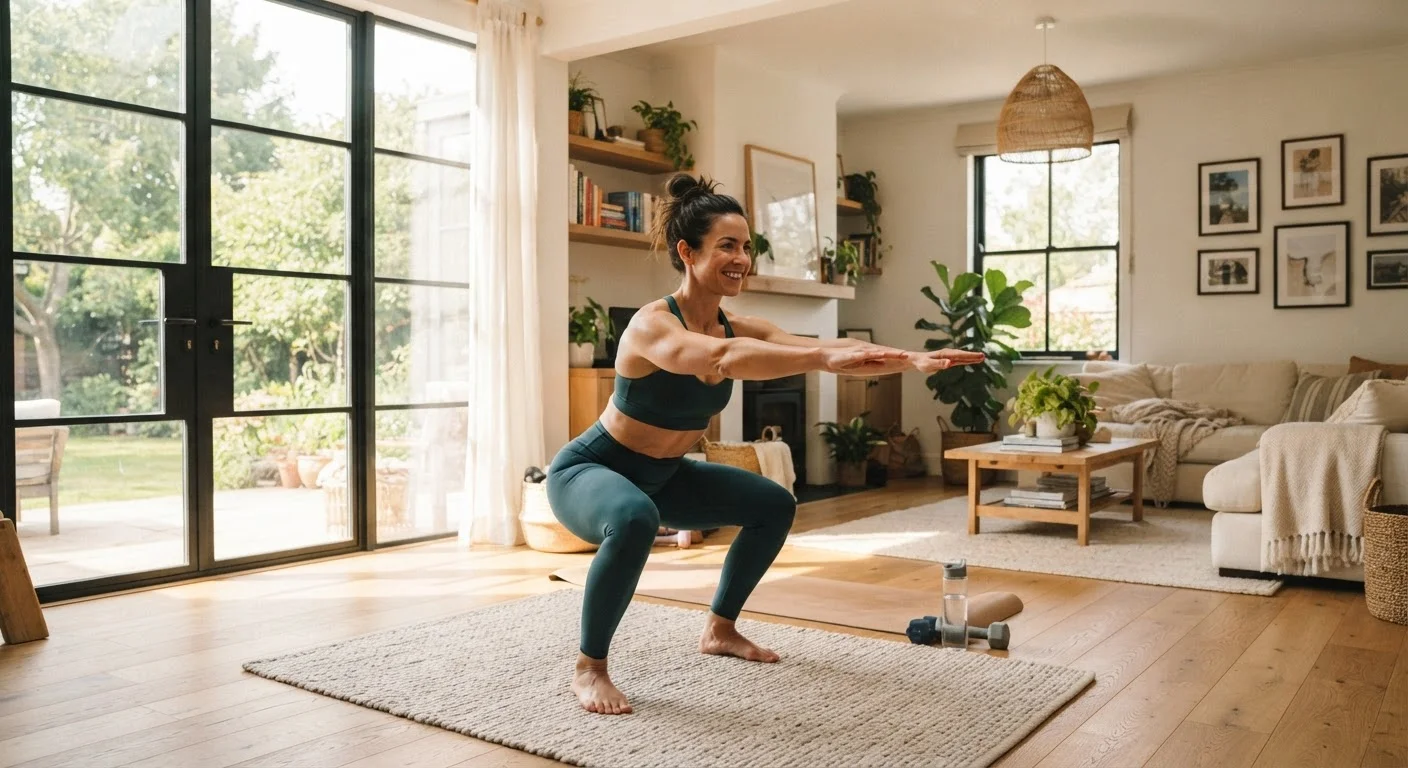
The idea that you need a gym, weights, or expensive equipment to get fit is one of the most persistent myths in fitness. In reality, bodyweight exercises - movements that use your own body as resistance - are well-supported by exercise science as an effective way to build muscular endurance, improve cardiovascular health, and increase flexibility and mobility.
What makes home workouts particularly valuable isn't just convenience. Removing the barrier of travel, cost, and gym intimidation means more people can actually follow through. Consistency, not intensity, is the primary driver of long-term fitness gains. A modest routine you stick with for months will outperform an ambitious plan you abandon after two weeks.
Check In With Your Doctor First
If you have a chronic health condition, recent injury, or haven't been active for an extended period, speak with a qualified healthcare professional before beginning any new exercise routine. This article provides general fitness information and is not a substitute for personalized medical advice. See our personal readiness checklist for a helpful pre-exercise self-assessment.
That said, bodyweight training isn't a shortcut or a lesser option - it's a legitimate and versatile approach to physical fitness, from beginner level all the way up to advanced athletic training.
What You'll Need Before You Start
The short answer: very little. A clear patch of floor, comfortable clothing, and a way to track time are genuinely all you need to get started. Optional items can make sessions more comfortable but are not required.
Exercise mat or folded blanket
Provides cushioning for floor-based movements like planks, push-ups, and stretches.
Timer or smartphone
Used to track work intervals, rest periods, and total session length.
Comfortable, supportive footwear
Reduces impact stress during standing and jumping movements.
Water bottle
Keeps you hydrated throughout your session.
What you will need
How to Build Your Routine Step by Step
Follow the steps below at your own pace. There's no universal timeline - some people will feel ready to progress in two weeks, others in six. Both are normal.
Assess your starting point honestly
Before choosing exercises, take a few minutes to reflect on your current activity level. Can you walk briskly for 10 minutes without discomfort? Can you lower yourself to the floor and rise again without difficulty? Your honest answers will shape which exercise variations make sense to start with. There's no shame in beginning with the most accessible version of each movement - that's smart, not easy.
Choose a manageable weekly schedule
Aim for two to three sessions per week when starting out, with at least one rest day between each session. This frequency is enough to stimulate adaptation without overwhelming your body or your schedule. Block those sessions into your calendar as you would any other commitment - consistency over time matters far more than any single workout.
Build a balanced movement menu
A well-rounded session should include movements from each of these categories:
- Lower body: squats, reverse lunges, glute bridges
- Upper body push: push-ups (wall, incline, or floor depending on your level)
- Upper body pull: door-frame rows or towel rows if available
- Core: dead bugs, bird dogs, or forearm planks
- Cardio/elevation: marching in place, step-taps, or low-impact jumping jacks
You don't need to do all five categories every session, but aim to rotate through each over the course of a week.
Structure each session with a clear format
A simple, repeatable session structure removes decision fatigue and helps you stay consistent:
- Warm-up (5 minutes): light movement to raise heart rate and loosen joints
- Main work (15-20 minutes): 2-3 rounds of 4-6 exercises, resting as needed between sets
- Cool-down (5 minutes): gentle stretching focused on the muscles you worked
Start with shorter rounds and fewer exercises if needed. A 20-minute session done consistently is more valuable than an exhausting hour-long workout done once.
Apply progressive overload gradually
Your body adapts to exercise over time, which means what feels challenging now will eventually feel manageable - and that's a good sign. To keep improving, gradually increase the challenge by adding one or two repetitions per set, reducing rest time slightly, or moving to a harder exercise variation. Change one variable at a time so you can track what's working. A general rule of thumb is to increase difficulty only when you can complete all sets with good form and without straining.
Prioritize recovery as part of the routine
Rest days aren't wasted days - they're when your muscles actually repair and grow stronger. On off days, light activity like walking or gentle stretching is fine and often beneficial. Prioritizing sleep matters too; most adults function best with seven to nine hours, and poor sleep can blunt the benefits of exercise. A calming wind-down routine in the evening can support better sleep quality overall.
Progress Is the Point, Not Perfection
You don't need to nail every rep with perfect form on day one. Focus on moving consistently, paying attention to how your body feels, and making small improvements over time. Sustainable progress always beats an intense start followed by burnout.
Don't Skip the Warm-Up
Jumping into full-intensity exercise without warming up increases your risk of muscle strains and joint discomfort. Even five minutes of light movement - marching in place, arm circles, gentle hip rotations - makes a meaningful difference in how your body responds to effort.
Staying on Track Over Time
The hardest part of any fitness routine isn't the first workout - it's the fourth week, when novelty has worn off and life has gotten busy. A few approaches that research and experience support for long-term habit maintenance:
- Anchor workouts to existing habits, such as exercising right after your morning coffee or before your evening shower.
- Plan for disruptions in advance. When you miss a session, the goal is simply to return to the schedule - not to compensate with extra intensity.
- Revisit your "why." Connecting movement to something personally meaningful - energy for your family, stress relief, better sleep - tends to be more sustaining than appearance-based motivation alone.
Building a fitness routine shares a lot in common with building any other self-directed habit. If you've found it useful to structure your approach, the same principles that apply to building a personal study routine - scheduling, realistic goals, and tracking progress - translate well here too.
This article is for general informational and educational purposes only and is not a substitute for personalized medical advice. Always consult a qualified healthcare professional before beginning a new exercise program, particularly if you have existing health conditions, injuries, or other medical concerns.