Use this checklist to assess your physical readiness, set realistic goals, and prepare your body and environment before beginning a new fitness routine.
Key Takeaways
Checking in with a healthcare provider before starting exercise is especially important if you have existing health conditions.
Honest self-assessment of your current fitness level helps you set goals that are achievable, not discouraging.
Having the right environment and basic equipment ready removes common barriers that derail early motivation.
Realistic, specific goals are more likely to lead to lasting habits than vague intentions.
Recovery planning is just as important as the workouts themselves for long-term progress.
Why Preparation Makes All the Difference
Starting a new exercise program is genuinely exciting - but jumping in without a plan is one of the most common reasons people quit within the first few weeks. Soreness, confusion about where to begin, or an injury early on can turn enthusiasm into frustration fast.
This checklist is designed to help you pause for just 20 to 40 minutes before day one so you can start with clarity and confidence. Think of it as a pre-flight check - not a barrier, but a launching pad. Whether you're returning to movement after a long break or starting a structured routine for the first time, these steps apply to you.
If you find value in preparation-based frameworks like this one, you might notice similarities with other readiness checklists - like the approach used for evaluating online courses before committing time and energy.
Talk to Your Doctor First If You Have Concerns
This checklist provides general health education, not personal medical advice. If you have a diagnosed condition such as heart disease, diabetes, or osteoporosis - or if you've been sedentary for an extended period - please consult a qualified healthcare provider before beginning any new exercise program. They can help you identify safe starting points and any necessary modifications.
What You'll Need to Work Through This Checklist
You don't need much - this checklist is about reflection and planning, not gear. However, a few tools will help you get the most out of the process.
Required
Notebook or journal
Record your goals, self-assessment answers, and schedule so everything is in one place and easy to revisit.
Required
Weekly calendar or planner
Block workout days and rest days in advance to build consistency from day one.
Optional
Basic fitness tracking app
Log activity, monitor duration, and spot patterns in your consistency over time.
Required
Healthcare provider contact information
Have it ready if you need to ask questions about any health conditions before starting.
Your Personal Readiness Checklist
Work through each group in order. Take your time with the health and goals sections - these have the biggest impact on whether your program will feel sustainable from the start.
Health & Medical Readiness
Speak with your healthcare provider before starting if you have a chronic condition, recent injury, or haven't been active for more than six months.Must
Review any medications you take that may affect exercise response, such as blood pressure drugs or blood thinners, with your doctor or pharmacist.Must
Note any joint pain, past injuries, or areas of recurring discomfort that may need modifications.Must
Check whether your program is appropriate for your life stage - pregnant individuals, older adults, and adolescents benefit from tailored guidance from a qualified professional.Must
Honest Self-Assessment
Estimate your current activity level honestly - sedentary, lightly active, or regularly active - so your starting point reflects reality, not aspiration.Must
Identify what has held you back from exercising consistently in the past (time, motivation, discomfort, access) so you can plan around those barriers.Should
Clarify your primary motivation - whether it's energy, stress relief, strength, or general health - so you can choose a program aligned with what actually matters to you.Should
Goal Setting
Write down one specific, measurable short-term goal for the first four weeks - such as completing three 20-minute walks per week.Must
Set a longer-term goal that is realistic given your starting point, and allow room for the timeline to shift.Should
Decide how you'll track progress - a journal, a simple app, or a calendar - so you can notice forward movement beyond the scale.Should
Define what success looks like for you at the 30-day mark in terms of consistency, not just results.Nice to have
Schedule & Environment
Block specific days and times for your workouts in your weekly schedule, treating them as non-optional appointments.Must
Choose a workout location - home, gym, park, or a combination - and confirm it's accessible and safe for regular use.Must
Identify a backup plan for days when your primary option isn't available (weather, travel, schedule conflicts).Should
Lay out or prepare your workout clothes and any basic equipment the night before your first session to reduce morning friction.Nice to have
Recovery & Sustainability
Plan at least one full rest day per week and schedule it in advance so you treat recovery as part of the program, not a gap in it.Must
Assess your current sleep habits - aim for seven to nine hours most nights, as sleep is when physical adaptation and muscle repair occur.Should
Stock your kitchen with foods that support energy and recovery, such as lean proteins, whole grains, fruits, and vegetables.Should
Identify one person - a friend, family member, or online community - who can offer encouragement or accountability.Nice to have
Program Selection
Choose a program that matches your current fitness level and the time you can genuinely commit each week - not the one that sounds most impressive.Must
Verify that your chosen program includes a warm-up and cool-down, or plan to add these yourself before and after each session.Must
Confirm the program has a progression plan so intensity increases gradually rather than all at once.Should
Don't Skip the Warm-Up and Cool-Down
One of the most common causes of early injury in new exercisers is starting or stopping movement too abruptly. A five-to-ten-minute warm-up prepares your heart, muscles, and joints for exertion, while a cool-down helps your body transition back to a resting state. Skipping these - especially in the first weeks when your body is adapting - significantly raises the risk of strain or soreness that can sideline you.
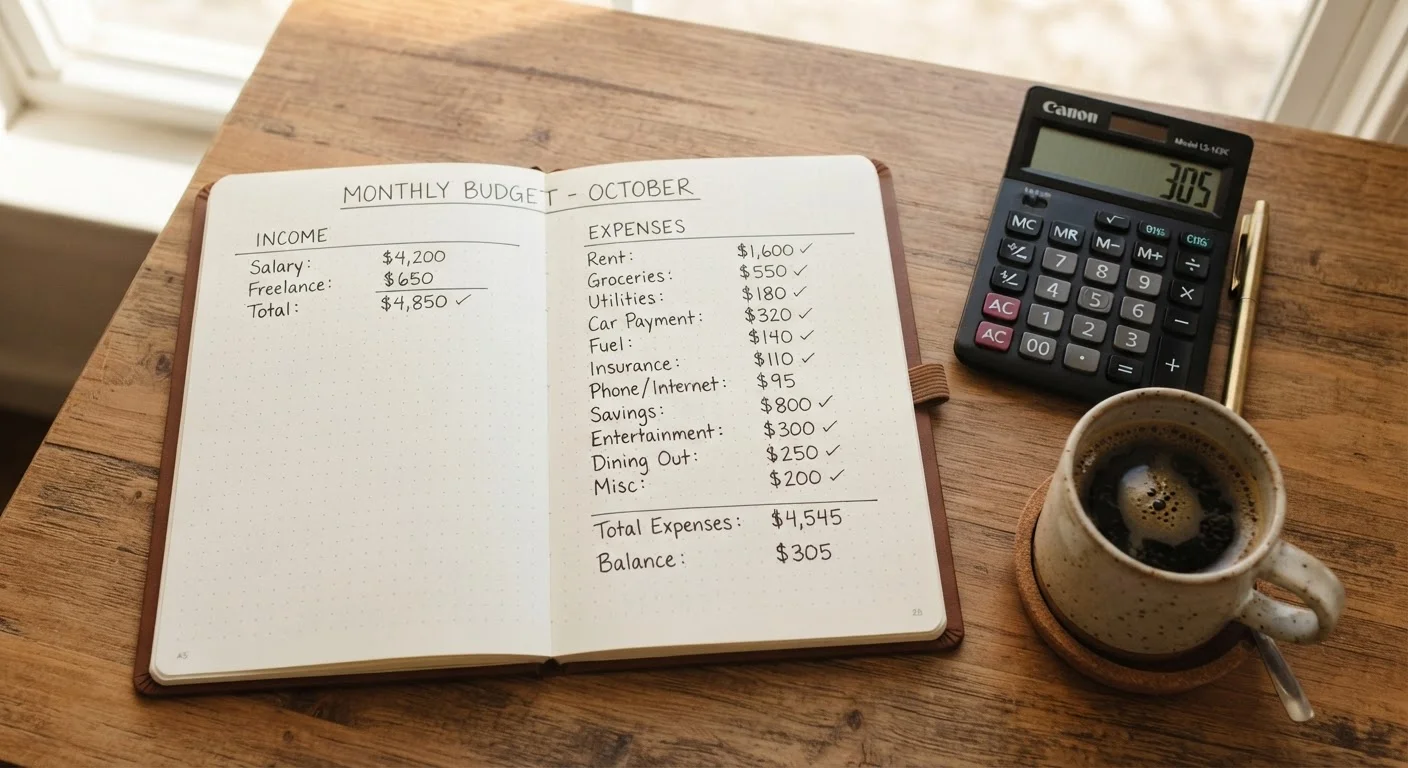
Once you've worked through this checklist, consider pairing your fitness goals with a clear picture of your finances. Exercise-related costs - class memberships, equipment, sportswear - can add up. A simple approach like the monthly budget setup checklist can help you plan ahead so spending doesn't become a stressor.
Health & Wellness Editorial Team is the collective byline for our editorial team and contributor network. Articles published under this byline or an editorial pen name are researched, written, and reviewed according to our editorial standards for clarity, consistency, and independence before publication.
The content provided on our blog site traverses numerous categories, offering readers valuable and practical information. Readers can use the editorial team’s research and data to gain more insights into their topics of interest. However, they are requested not to treat the articles as conclusive. The website team cannot be held responsible for differences in data or inaccuracies found across other platforms. Please also note that the site might also miss out on various schemes and offers available that the readers may find more beneficial than the ones we cover.