
How Each Oil Is Made
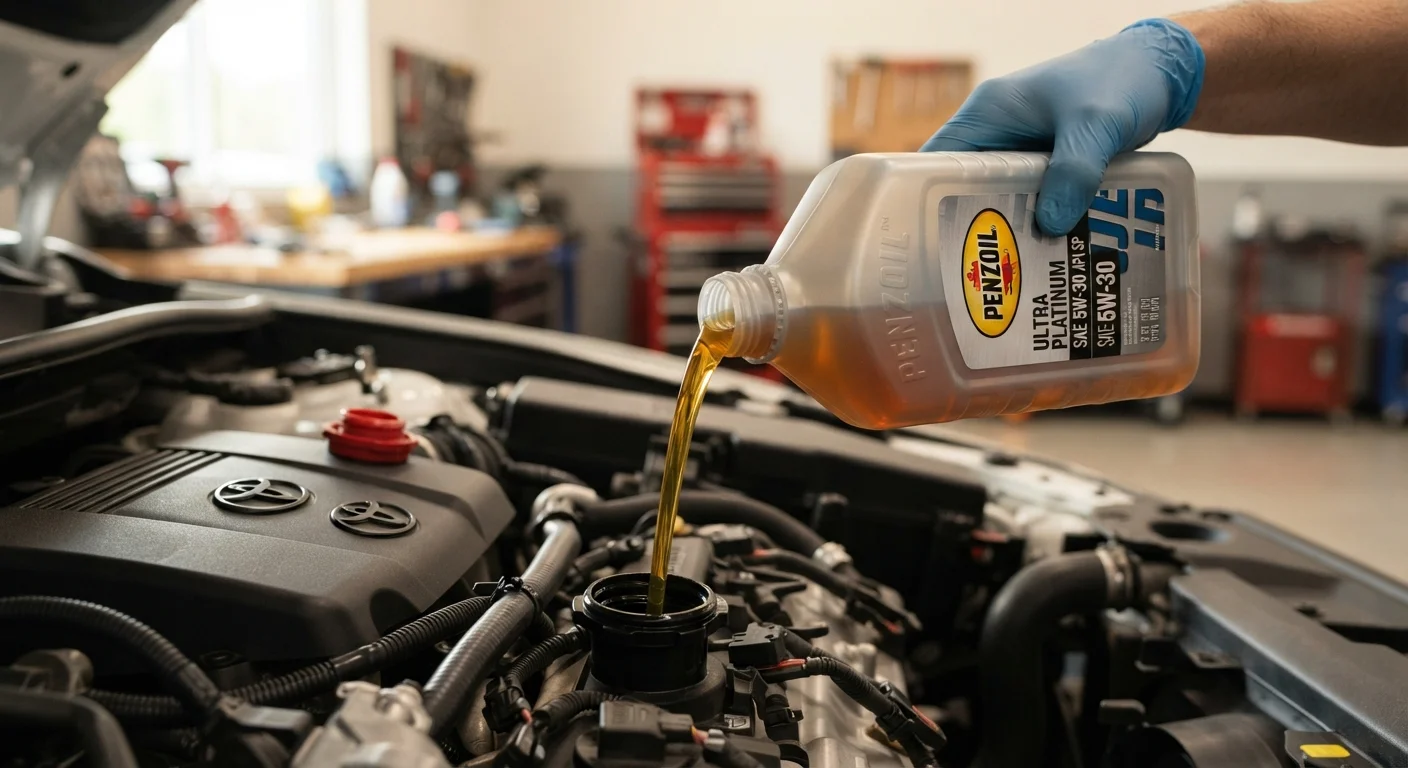
The core difference between synthetic and conventional engine oil comes down to how each is produced. Conventional oil is refined from crude petroleum extracted from the ground. It contains a mix of hydrocarbon molecules of varying sizes and shapes, along with naturally occurring impurities. Refiners process it to remove contaminants, but the molecular structure remains somewhat irregular.
Synthetic oil, by contrast, is engineered. It starts with a base stock - often derived from petroleum or other chemical compounds - that is chemically altered or built from scratch to produce uniform, precisely shaped molecules. Additives are then blended in to enhance properties like viscosity stability, oxidation resistance, and lubrication at temperature extremes.
This manufacturing difference is what gives synthetic oil its performance edge: uniform molecules flow more predictably, cling to engine surfaces more effectively, and break down more slowly under heat and pressure.
Performance and Protection
Under normal operating conditions, both oil types lubricate engine parts, reduce friction, and help carry heat away from critical components. The differences become more meaningful in demanding scenarios.
| Criterion | Synthetic Oil | Conventional Oil |
|---|---|---|
| Origin | Chemically engineered base stock | Refined crude petroleum |
| Molecular uniformity | Highly uniform | Variable, less consistent |
| Cold-weather performance | Flows faster at low temps | Thickens more in cold |
| Heat resistance | Superior thermal stability | Breaks down faster under heat |
| Typical change interval | 7,500-10,000+ miles | 3,000-5,000 miles |
| Cost per quart | Higher | Lower |
| Suited to turbocharged engines | Yes, recommended | Generally not preferred |
Synthetic oil excels in cold starts - a particularly hard moment for engines, since oil thickens at low temperatures and takes time to circulate. Its uniform molecules flow faster in the cold, reaching moving parts sooner and reducing early-morning wear. It also holds its viscosity - resistance to flow - better under high heat, which matters for turbocharged engines and stop-and-go driving.
Conventional oil performs reliably in engines designed for it, operated under moderate conditions. It does not offer the same low-temperature flow or heat resistance, but for many everyday engines, those limitations rarely become a practical issue.
~50%
Engine wear occurs at cold start
Industry engineering studies have long noted that a significant proportion of engine wear happens in the first moments after startup, before oil fully circulates.
2x
Longer typical change interval vs. conventional
Many synthetic oil formulations are approved for change intervals roughly double those of conventional oil, according to common manufacturer guidelines.
Cost, Change Intervals, and Real-World Value
Synthetic oil carries a higher price per quart than conventional oil - often noticeably so. However, cost comparisons are incomplete without factoring in change intervals. Conventional oil is typically changed every 3,000 to 5,000 miles, depending on the vehicle and driving conditions. Synthetic oil, which degrades more slowly, is often approved for 7,500 to 10,000 miles or more between changes - and some manufacturer recommendations extend even further.
When you account for fewer oil changes per year, the total annual cost of synthetic oil may be comparable to - or only modestly higher than - conventional oil for many drivers. The calculus varies by vehicle, driving habits, and local labor rates.
For more guidance on how often your specific vehicle actually needs an oil change, see our detailed look at oil change intervals, which explores how modern engines and oil technology have shifted the conventional wisdom on service frequency.
Can You Mix Synthetic and Conventional Oil?
Mixing the two oil types won't immediately damage your engine - they are chemically compatible. However, blending them dilutes the performance advantages of synthetic oil. If you top off with a different type in an emergency, plan to do a full oil change with the correct specification at your next service interval. Always confirm the appropriate oil type for your vehicle before performing any maintenance.
Making the Right Choice for Your Vehicle
The single most reliable guide to the right oil for your engine is your owner's manual. Manufacturers specify the viscosity grade (such as 5W-30) and, increasingly, whether synthetic oil is required or recommended. If your vehicle's warranty or manufacturer guidance specifies synthetic, use it - deviating could affect warranty coverage and engine health.
Beyond the manual, consider these factors:
- Engine age and condition: Very old engines with worn seals sometimes develop minor leaks when switching from conventional to synthetic. A qualified mechanic can assess whether a switch is appropriate.
- Climate: Drivers in regions with harsh winters or intense summer heat benefit more from synthetic's wider temperature range.
- Driving patterns: Frequent short trips, towing, or stop-and-go city driving place more stress on oil and lean toward the advantages of synthetic.
- Manufacturer approval: For extended intervals on synthetic, confirm your vehicle's manufacturer approves the longer schedule - don't rely solely on the oil brand's claims.
When in doubt, consulting a qualified mechanic is always a sound step before changing your oil type, especially in older or high-mileage vehicles.