Defining the Two Approaches
When a child falls behind, families and schools typically turn to one of two main forms of academic support: private tutoring or school-based catch-up programmes. While both aim to close learning gaps, they operate very differently.
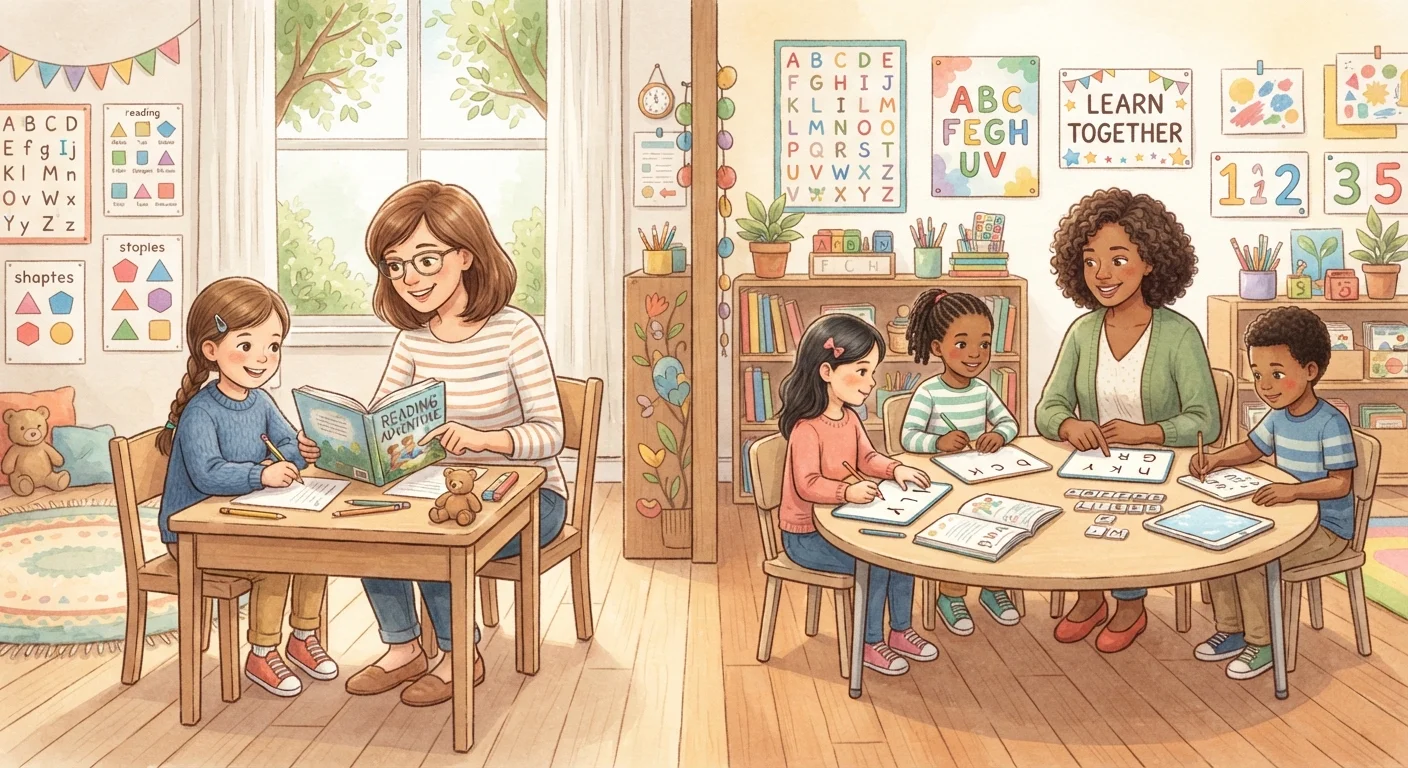
Private tutoring involves a qualified tutor - often hired independently - working with a child one-on-one or in very small groups. Sessions are typically scheduled around the family's availability and can focus on any subject or skill the child needs. Tutors may be certified teachers, subject-matter specialists, or trained undergraduate students.
Classroom catch-up programmes (also called academic intervention or remediation programmes) are organized and delivered by schools. They usually take place during the school day or just outside regular hours, and are designed around structured curricula aligned with grade-level standards. These programmes typically serve small groups of students identified by teachers or diagnostic assessments as needing additional support.
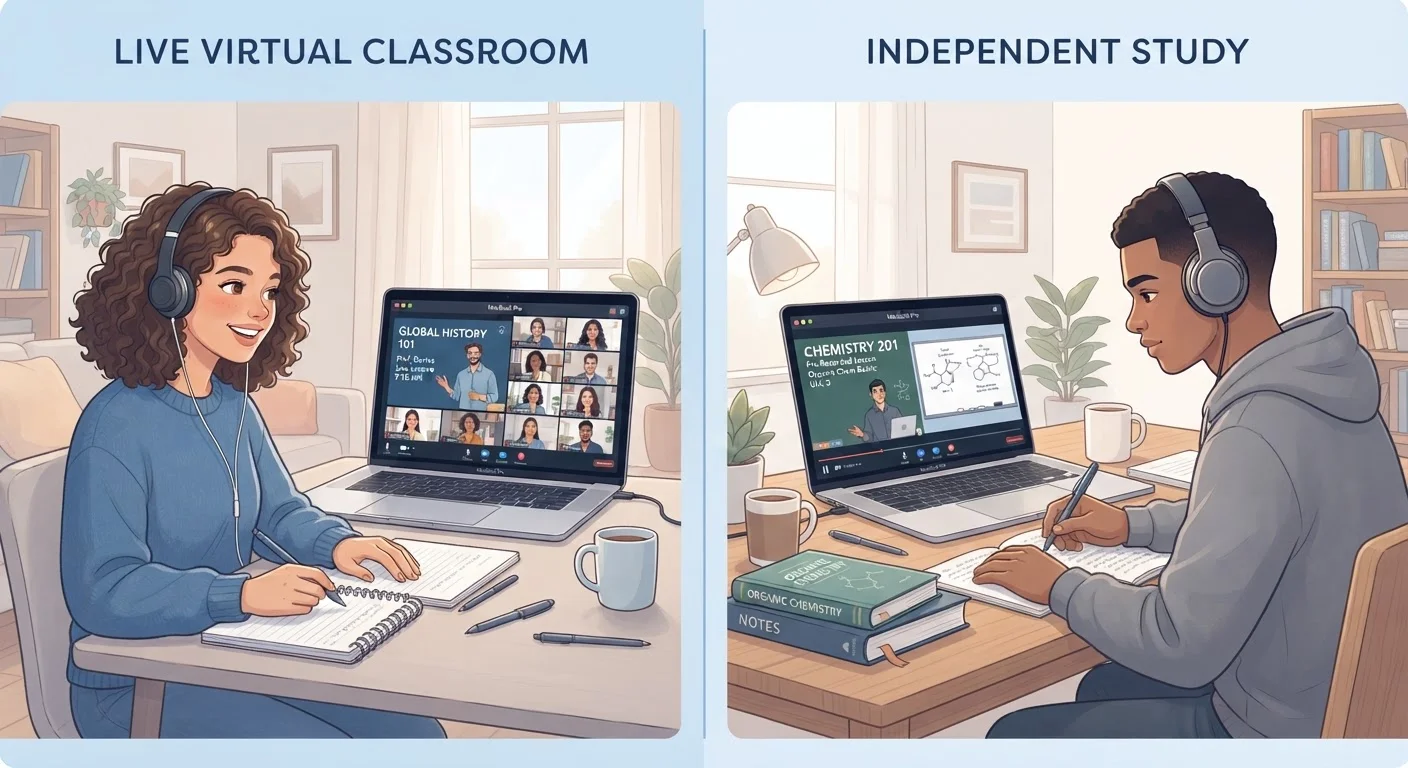
Understanding each model's structure is the first step in deciding what might serve a particular learner - and the two are not mutually exclusive. For a broader look at how learning format affects outcomes, see synchronous vs. asynchronous learning.
Key Differences Side by Side
The table below compares the two approaches across the criteria most relevant to families and educators making this decision.
| Private Tutoring | Classroom Catch-Up Programme | |
|---|---|---|
| Cost to family | Typically fee-based; varies widely | Usually free; school-funded |
| Group size | One-on-one or very small group | Small group (3-8 students typical) |
| Personalization | High; tailored to individual needs | Moderate; aligned to group gaps |
| Scheduling flexibility | Flexible; arranged by family | Fixed; tied to school schedule |
| Duration | Ongoing or as long as needed | Time-limited, often term-based |
| Curriculum alignment | Varies by tutor; may differ from class | Directly aligned to school standards |
| Access and eligibility | Open to any family who can arrange it | Determined by school assessment |
Cost is often the most immediate consideration for families. School-based programmes are funded by the district and typically free to participating students, whereas private tutoring costs vary widely based on the tutor's qualifications, subject area, and local market rates.
Personalization and Intensity
One of the clearest distinctions between the two approaches is the degree of individualization. A private tutor can adjust pace, content, and teaching style in real time based on one child's responses. If a student is struggling with a specific concept - say, fraction division rather than math as a whole - a tutor can zero in on exactly that gap and stay there until it's resolved.
Catch-up programmes, by contrast, are designed around a group. Even in small groups of three to five students, teachers must pace instruction to address the group's collective needs. This structure aligns well with students whose gaps are similar to their peers', but may feel too fast or too slow for outliers.
Ask the School for Diagnostic Data First
Before engaging a private tutor, request any assessment data the school has on your child's specific skill gaps. This information can help a tutor target their sessions precisely rather than reviewing material the child already understands. Many schools use standardized screeners and are willing to share results with families during scheduled conferences.
Intensity also differs. Catch-up programmes are typically time-limited - often running for a set number of weeks aligned with school scheduling. Private tutoring can be more fluid: ramped up during exam periods, scaled back once a skill is mastered, or continued long-term for students with persistent challenges.
How to Choose - or Combine - Both
Choosing between these options is rarely an either/or decision. Many families find that catch-up programmes provide a helpful foundation - especially when the school's diagnostic data reveals which specific standards a child hasn't yet met - while tutoring addresses the gaps that remain or that the school programme isn't designed to cover.
Key questions worth asking include:
- Has the school formally identified the child's learning gaps through assessment?
- Is the child eligible for an existing school-based programme, and what does it cover?
- Are there underlying factors (attention, anxiety, processing differences) that might warrant a more individualized approach?
- What is the family's capacity in terms of time, scheduling, and budget?
Open communication with teachers is essential before enrolling in any supplemental support. A productive parent-teacher conversation can reveal whether a catch-up programme is already available and appropriate. Talking to teachers effectively offers practical guidance on how to have those conversations.
It's also worth noting that the structure of support at home matters too. How learning is organized outside school - whether led by a child or directed by an adult - shapes outcomes. See structured vs. child-led learning at home for a closer look at that balance.
This article is for informational and general educational purposes only. Specific learning difficulties or developmental concerns should be discussed with qualified educational or clinical professionals.