Defining the Two Categories
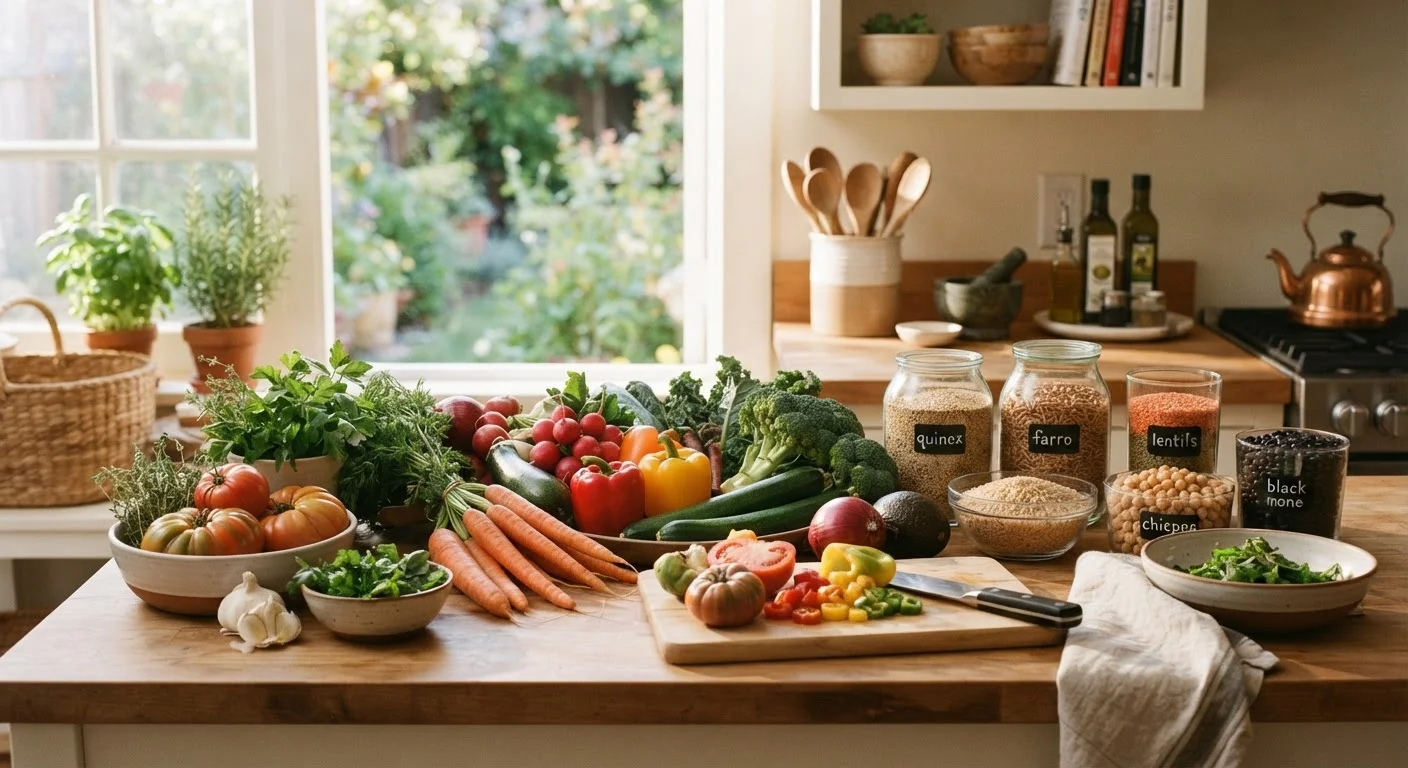
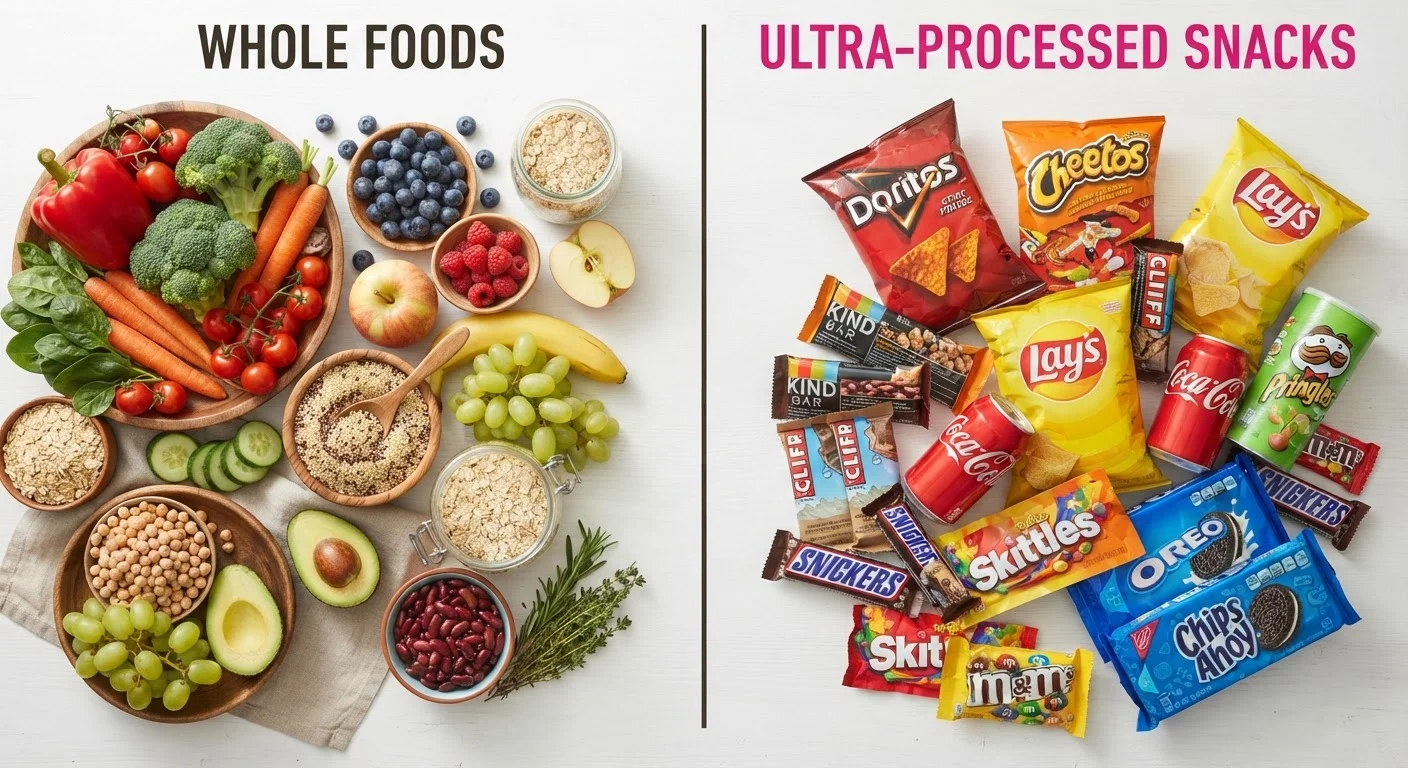
The term whole foods refers to items that are eaten close to their natural state - or with only minimal processing. Think fresh or frozen vegetables, fruit, whole grains like oats and brown rice, legumes, eggs, nuts, and plain meats or fish. Minimal processing - such as washing, freezing, or pasteurizing - doesn't fundamentally change a food's nutritional profile.
Ultra-processed foods are a different category entirely. The NOVA classification system, developed by nutrition researchers at the University of São Paulo, describes them as industrial formulations made mostly from substances extracted from foods - such as fats, starches, refined sugars, and protein isolates - combined with additives like artificial flavors, emulsifiers, and preservatives. Common examples include packaged snack foods, carbonated soft drinks, mass-produced baked goods, flavored instant noodles, and many breakfast cereals aimed at children.
A helpful rule of thumb: if a product contains a long list of ingredients you wouldn't find in a typical home kitchen, it's likely ultra-processed. If it's recognizable as a plant, animal, or grain with little modification, it's closer to the whole-foods end of the spectrum.
| Criterion | Whole Foods | Ultra-Processed Foods |
|---|---|---|
| Ingredient complexity | One or very few recognizable ingredients | Long lists with industrial additives |
| Nutrient density | High in fiber, vitamins, minerals | Often energy-dense, nutrient-sparse |
| Added sugars & sodium | Naturally low or absent | Frequently elevated |
| Satiety | Fiber and protein promote fullness | Hyper-palatability can reduce satiety signals |
| Convenience | Variable; some require preparation | Ready to eat, widely available |
| Cost | Wide range; staples are often affordable | Moderate; can seem cheaper per calorie |
| Research associations | Linked to favorable health outcomes | Linked to elevated disease risk in studies |
What the Research Tells Us About Health Outcomes
A growing body of observational research has linked high ultra-processed food consumption to elevated risks of cardiovascular disease, type 2 diabetes, obesity, and certain cancers. A landmark 2019 study published in The BMJ involving more than 100,000 French adults found that a 10% increase in the proportion of ultra-processed foods in the diet was associated with a significant increase in overall cancer risk - though researchers noted the association does not prove causation.
Diets centered on whole foods, by contrast, consistently show favorable associations with health outcomes in large epidemiological studies. The Mediterranean diet - broadly a whole-foods dietary pattern - has been studied extensively and is associated with reduced cardiovascular risk, according to multiple systematic reviews.
57%
Share of U.S. calories from ultra-processed foods
A 2016 analysis published in BMJ Open estimated that ultra-processed foods accounted for approximately 57% of caloric intake among U.S. adults.
10%+
Associated increase in overall cancer risk
A 2019 study in The BMJ found a 10% higher ultra-processed food proportion in the diet was associated with a statistically significant rise in overall cancer incidence.
30%
Lower cardiovascular mortality risk
Research published in Circulation found adherence to whole-food dietary patterns was associated with approximately 30% lower cardiovascular mortality compared to lower adherence.
It's important to be honest about what this science can and can't tell us. Most studies in this area are observational, meaning they identify associations rather than proving that ultra-processed foods cause disease. People who eat more ultra-processed foods also tend to have other lifestyle factors that affect health. Still, the direction of evidence is consistent enough that public health organizations worldwide have begun advising people to reduce ultra-processed food intake.
This article provides general health information and is not a substitute for personalized medical or dietary advice. Please consult a qualified healthcare professional or registered dietitian for guidance specific to your needs.
The Nutrient Gap: Why Processing Matters
Whole foods are nutritionally complex. An apple, for instance, delivers not just fructose (its natural sugar) but also fiber, vitamin C, potassium, and a range of polyphenols - plant compounds that research suggests may support immune function and reduce inflammation. When foods are heavily processed, many of these compounds are stripped away during refining, and what remains is often energy-dense but nutrient-sparse.
Ultra-processed products are frequently engineered to be hyper-palatable - meaning the precise combinations of sugar, fat, and salt are calibrated to make them easy to overconsume. This isn't a character flaw in the people eating them; it's a predictable response to how the products are designed.
Not All Processing Is Equal
Processing exists on a spectrum. Canned tomatoes, plain yogurt, and frozen edamame are processed but retain most of their nutritional value and contain few added ingredients. The concern centers specifically on ultra-processed products - those with extensive additive lists and little resemblance to any whole ingredient. Avoiding all processing is neither realistic nor necessary for good health.
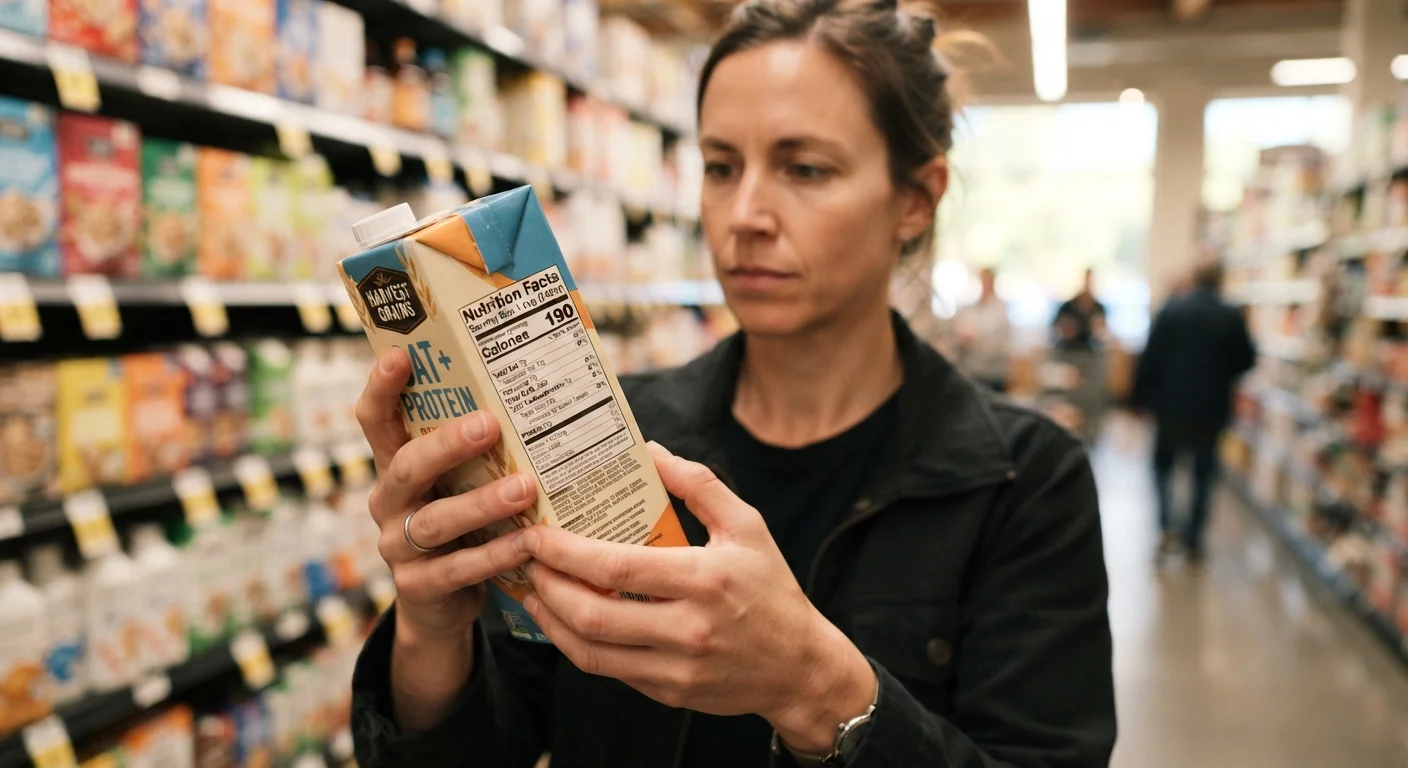
Understanding what's actually in packaged food can help bridge this gap. If you'd like to sharpen that skill, our guide on reading a nutrition label without getting lost in the numbers walks through the numbers clearly and practically.
Making the Shift: Realistic, Sustainable Strategies
No single meal makes or breaks your long-term nutrition. The goal isn't to eliminate every packaged food from your life - it's to shift the overall balance toward more whole, minimally processed options over time. Even modest changes, sustained consistently, can add up meaningfully.
A few evidence-informed approaches worth considering:
- Swap one item at a time. Replace a sugary breakfast cereal with plain oats topped with fruit. Swap a packaged afternoon snack for a small handful of nuts.
- Lean on frozen produce. Frozen vegetables are picked at peak ripeness and flash-frozen, preserving most of their nutrients. They're often more affordable than fresh and reduce food waste.
- Cook in batches. Preparing whole grains, legumes, or roasted vegetables in larger amounts at once makes them as convenient as many processed alternatives on busy weeknights.
- Read ingredients, not just the front of the pack. Marketing language can be misleading. Checking the ingredients list gives you a clearer picture of what you're actually eating.
If you're running into common stumbling blocks on the journey toward healthier eating, it's worth exploring where people go wrong when trying to eat healthier - the patterns identified there can help you course-correct early.