Why Nutrition Labels Exist - and What They're Actually For
Nutrition facts panels were introduced in the United States to give consumers a standardized way to understand what they're eating. The FDA updated the format significantly in 2020 to reflect current nutrition science - including a dedicated line for added sugars and a more prominent calorie display. Yet for many shoppers, the label still reads like a foreign language.
The good news: you don't need to understand every number to get real value from a label. You need to know which numbers matter most and how to put them in context. Think of the label as a quick nutritional snapshot - useful for comparison shopping and for spotting patterns in your overall diet, not as a verdict on whether a food is "good" or "bad."
If you're curious about how nutrient gaps might show up in your body, our guide to signs your diet may be missing key nutrients is a helpful companion read.
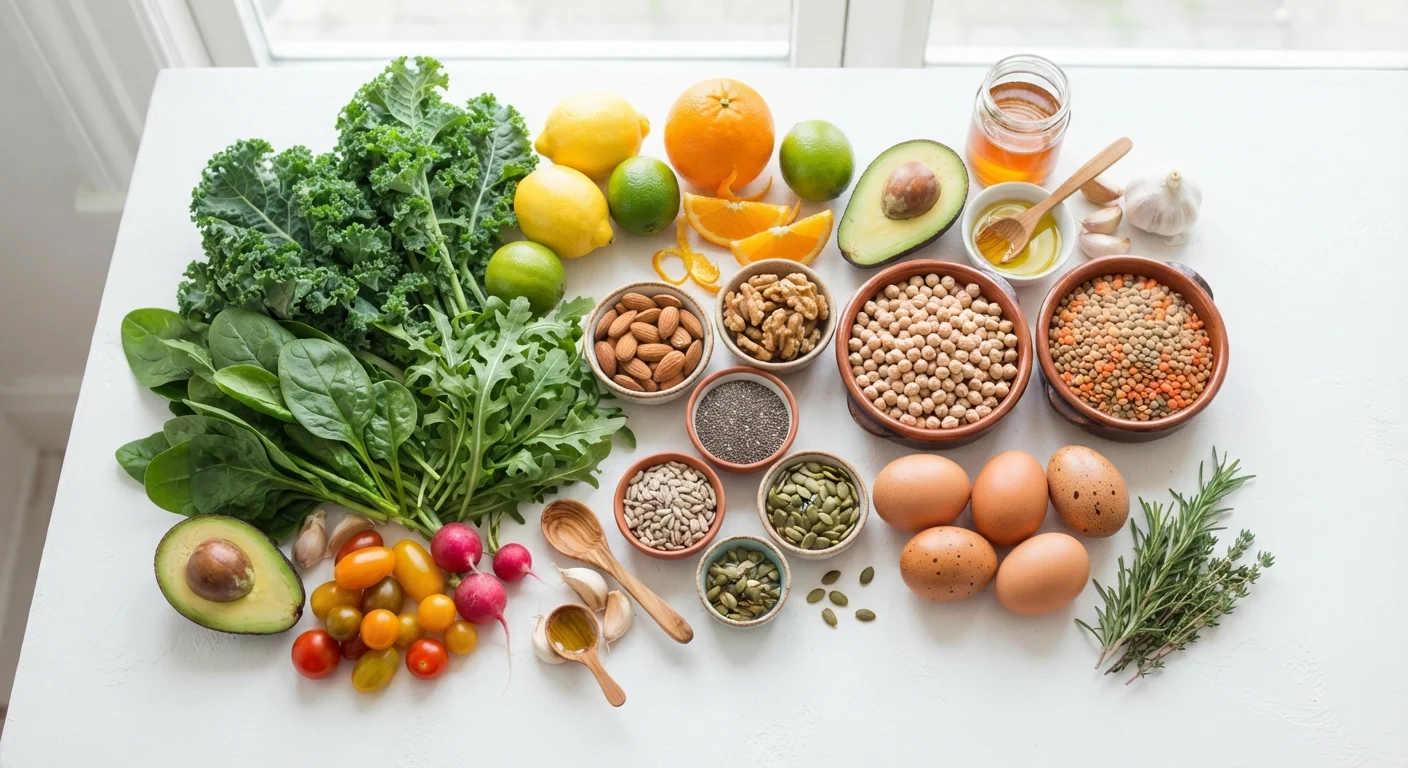
What you will need
Step-by-Step: Reading the Label From Top to Bottom
The layout of a nutrition label is intentional - it's designed to be read in order. Following these steps turns a wall of numbers into a clear picture.
Start with serving size and servings per container
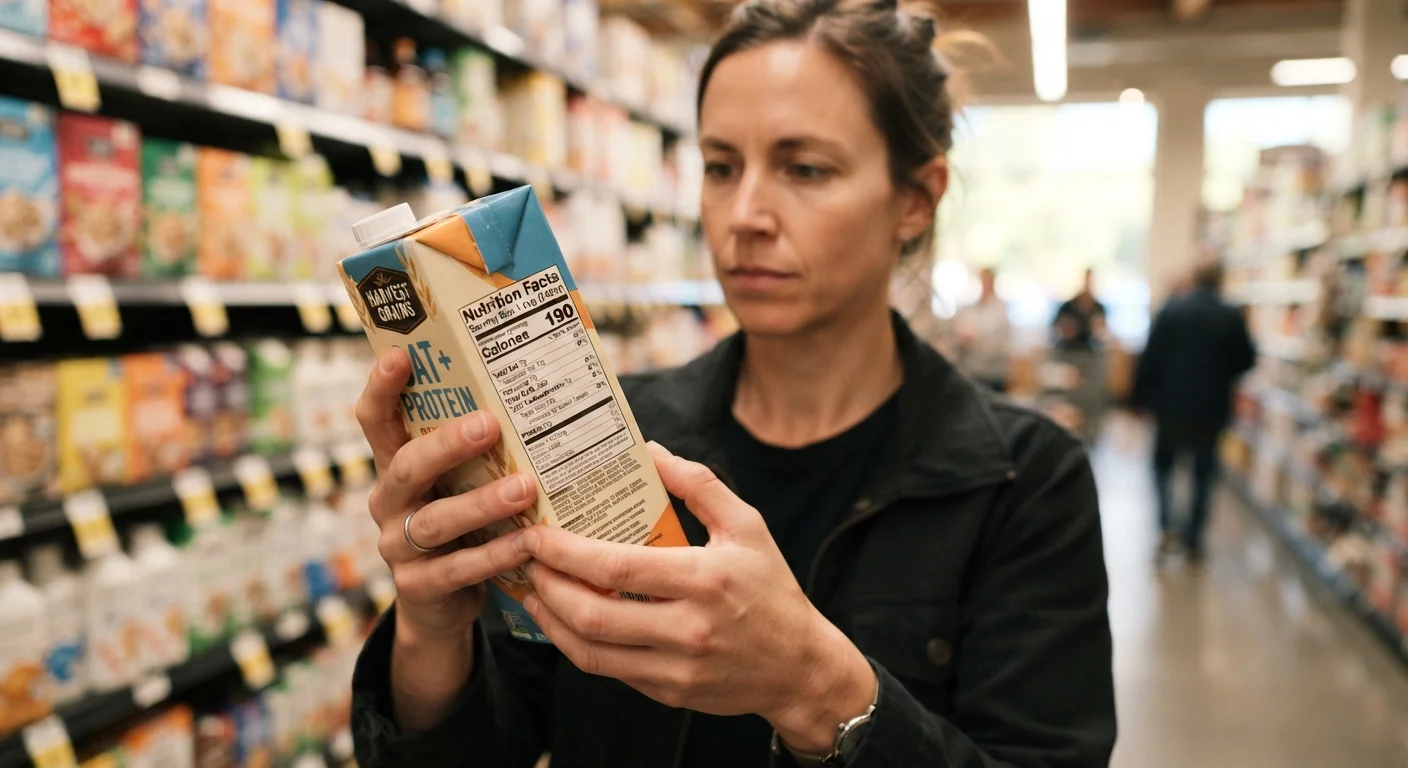
Before any other number means anything, you need to know what quantity it refers to. Find the Serving Size line at the very top of the panel. It tells you the amount the rest of the label is based on - often expressed in both a common measure (like "1 cup") and grams. Directly below it, Servings Per Container tells you how many of those portions are in the whole package. If a bag lists 2.5 servings and you eat the whole thing, multiply every number by 2.5.
Note the calories per serving
Calories measure the total energy in one serving. The updated FDA label displays this number prominently. Calories alone don't tell you much about nutritional quality, but they provide a useful reference point - especially when comparing two similar products. Context matters: a food can be calorie-dense but nutrient-rich, or low-calorie but nutritionally sparse.
Scan the nutrients to limit
The label groups certain nutrients because most Americans consume them in excess. Look at:
- Saturated fat - linked in research to cardiovascular risk when consumed in large amounts
- Sodium - high intake is associated with elevated blood pressure in many people
- Added sugars - distinct from naturally occurring sugars (like those in fruit or milk), added sugars contribute calories with little nutritional benefit
Use the % Daily Value (%DV) column as a quick guide: 5% DV or less is generally considered low; 20% DV or more is considered high for that nutrient per serving.
Check the nutrients to prioritize
Below the dividing line, look for nutrients many people fall short on:
- Dietary fiber - supports digestive health and sustained energy
- Protein - essential for muscle maintenance and satiety
- Vitamin D, calcium, iron, and potassium - highlighted because deficiencies are common in the general U.S. population
Aim for higher %DV values on these nutrients across your daily food choices as a whole.
Read the ingredient list
The ingredient list sits below the nutrition panel and is required by law to list ingredients in descending order by weight. The first two or three ingredients define the bulk of what you're eating. Whole grains, vegetables, legumes, or named proteins near the top are generally favorable. A long list of unfamiliar chemical-sounding names doesn't automatically make a food unsafe, but it's often a sign of heavy processing. For more context on why this distinction matters, see our piece on whole foods vs. ultra-processed foods.
Use the 5/20 Rule as Your Quick Shortcut
When you're short on time, the % Daily Value column does the heavy lifting. A %DV of 5% or less means a nutrient is low in that serving; 20% or more means it's high. Apply this rule to both nutrients you want more of (fiber, protein) and those to moderate (sodium, saturated fat, added sugars). It takes seconds once you're in the habit.
For a deeper dive into the vitamins and minerals listed at the bottom of every label, see The Real Story Behind Vitamins and Minerals.
Common Misreadings and How to Avoid Them
Even well-intentioned shoppers can fall into a few consistent traps when scanning labels quickly.
- Ignoring serving size: A bag that appears to be one serving might actually contain two and a half. Every number on the label multiplies accordingly.
- Focusing only on calories: A low-calorie food can still be high in sodium or added sugars and low in fiber or protein - none of which calories tell you.
- Misreading "0 grams" as zero: Under FDA rules, a nutrient listed as 0g may contain up to 0.5g per serving. For trans fat especially, "0g" doesn't always mean completely absent.
- Treating %DV as a percentage of your personal needs: Daily Values are based on a general 2,000-calorie reference diet. Your actual needs may differ based on age, activity level, or health status - always speak with a healthcare provider or registered dietitian if you're managing a specific condition.
These missteps fit into broader patterns worth understanding. Our article Where People Go Wrong When Trying to Eat Healthier explores how small misunderstandings can quietly undermine good intentions.
Front-of-Package Claims Can Be Misleading
Terms like "natural," "made with whole grains," or "reduced fat" are not tightly regulated and can create a misleading impression of a food's overall nutritional profile. A "reduced fat" product may compensate with added sugar; "made with whole grains" may list refined flour as the first ingredient. Always flip to the nutrition panel and ingredient list rather than relying on front-label marketing language.
Putting It All Together at the Store
Once you're comfortable with the label's structure, you can use it as a comparison tool in seconds. Hold two similar products side by side, match their serving sizes, and scan for fiber, added sugars, and sodium. That quick cross-check is often more informative than any front-of-package claim like "natural," "light," or "multigrain" - terms that have limited regulatory definition and can be misleading.
Labels also pair well with awareness of what's actually in your diet over time. A weekly nutrition check-in can help you notice whether the foods you're regularly buying are collectively supporting balanced eating - or quietly pulling it in one direction. And if you're exploring plant-based eating, our plant-based protein sources breakdown can help you evaluate protein quality alongside the label data.
This article is for general informational and educational purposes only and is not a substitute for personalized advice from a qualified healthcare professional or registered dietitian. Individual nutritional needs vary - consult a professional if you have specific health concerns or conditions.