
Three Terms, Three Distinct Concepts
If you've ever winced getting out of bed, felt stiff after a long car ride, or struggled to reach something on a high shelf, you've already encountered the gap between how your body moves and how you'd like it to move. The words flexibility, mobility, and stretching get tossed around as if they mean the same thing - in fitness classes, magazine articles, and even some gym instructions. They don't, and the distinction is worth understanding.
| What is flexibility? | Passive ability of muscles to lengthen and allow joint movement |
| What is mobility? | Active, controlled movement through a joint's full range of motion |
| What is stretching? | A practice (method) used to improve flexibility and mobility |
| Best time for static stretching | After exercise, when muscles are already warm (General exercise science consensus) |
| Best time for dynamic stretching | Before exercise, as part of a warm-up routine (General exercise science consensus) |
| Can you be flexible but have poor mobility? | Yes - mobility also requires strength and neuromuscular control |
Each concept addresses a different aspect of how your body functions. Confusing them can lead to training approaches that leave real gaps in your movement quality - or worse, cause discomfort by targeting the wrong thing. Here's a plain-English breakdown of each, and why knowing the difference is genuinely useful for everyday life.
Flexibility: The Passive Range of Motion
Flexibility refers to the ability of a muscle - or a group of muscles - to lengthen and allow a joint to move through a range of motion. The key word here is passive: flexibility is typically measured by how far a body part can be moved with outside assistance, such as a partner pushing your leg forward during a hamstring test, or simply the force of gravity.
Flexibility
The ability of a muscle or muscle group to passively lengthen, allowing a joint to move through a range of motion. It is typically measured without active muscular effort from the person being tested.
Mobility
The ability of a joint to move actively through its full intended range of motion under muscular control. Mobility combines flexibility with strength, coordination, and neuromuscular awareness.
Range of Motion (ROM)
The extent of movement possible at a given joint, typically measured in degrees. ROM can be passive (assisted) or active (self-controlled) and varies by joint and individual.
Static Stretching
A stretching technique in which a position is held without movement for a set duration. Commonly used after physical activity to gradually improve flexibility over time.
Dynamic Stretching
A stretching technique involving controlled, repetitive movements through a range of motion. Often used as a warm-up before exercise to prepare muscles and joints for activity.
PNF Stretching
Proprioceptive Neuromuscular Facilitation - an advanced stretching method involving cycles of muscle contraction and relaxation to improve flexibility, commonly used in rehabilitation settings.
A high level of flexibility means your muscles and connective tissue are not rigidly resisting movement. However, flexibility on its own doesn't guarantee you can use that range of motion functionally. Think of it as the raw material - necessary, but not sufficient for real-world movement.
Flexibility can decline with age, sedentary habits, or muscle imbalances, but it generally responds well to consistent stretching practice over time. It's also joint-specific: you might have flexible hamstrings but tight hip flexors, and that combination affects how you stand, walk, and lift things daily.
Mobility: Flexibility You Can Actually Use
Mobility goes a step further than flexibility. It describes the ability of a joint to move actively through its full range of motion - meaning your muscles are controlling the movement, not gravity or an outside force. Mobility is functional flexibility: it's what allows you to squat down to pick something up, reach overhead without straining, or rotate your torso while driving.
Someone can be quite flexible (their muscles stretch easily) but have poor mobility if they lack the strength, coordination, or neuromuscular control to actively move through that range. This is why many physical therapists and movement specialists now emphasize mobility work as a distinct training priority - especially for people with desk jobs or limited daily movement patterns.
Good mobility also tends to support injury prevention. When joints move through their intended ranges with muscular control, there's less reliance on passive structures like ligaments to absorb unexpected loads. For busy Americans looking to stay active without getting hurt, building mobility is a practical goal - even in small, consistent doses. The concept of movement snacks fits naturally here: short, intentional mobility exercises spread through the day can add up meaningfully.
Stretching: A Tool, Not a Goal
Stretching is the practice - the method used to work on flexibility and, in some cases, mobility. It encompasses a range of techniques, each with different mechanisms and appropriate timing.
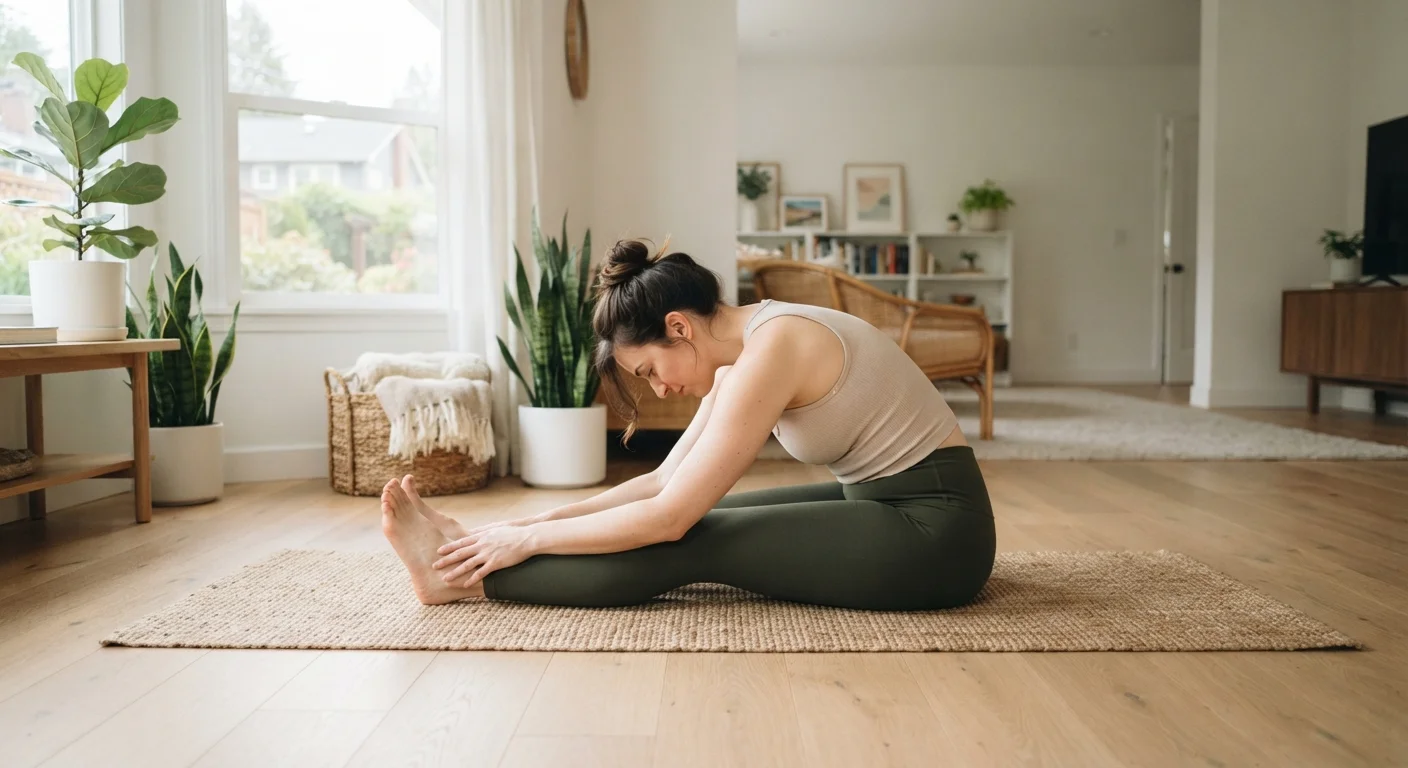
- Static stretching involves holding a position for an extended period (commonly 20-60 seconds). It's most effective after exercise, when muscles are warm, and is a well-established approach for gradually improving flexibility over time.
- Dynamic stretching uses controlled movement through a range of motion - leg swings, arm circles, hip rotations - and is generally preferred as a warm-up before activity, since it primes muscles without temporarily reducing their force output.
- PNF stretching (Proprioceptive Neuromuscular Facilitation) involves alternating contraction and relaxation of a muscle group. It's often used in rehabilitation and physical therapy settings and can produce notable flexibility gains, but is best learned with professional guidance.
Stretching is a valuable tool, but it's worth noting that the research on its effects is nuanced. Stretching alone does not reliably prevent all injuries, and the benefits depend on consistency, technique, and how it fits into a broader movement routine. It's always worth discussing any persistent pain or significant stiffness with a qualified healthcare or physical therapy professional before starting a new routine.
This article is for general informational purposes only and does not constitute medical or professional fitness advice. Consult a qualified healthcare provider before beginning any new exercise or stretching program, particularly if you have existing health conditions, injuries, or concerns about your mobility.